Istorijski kontekst
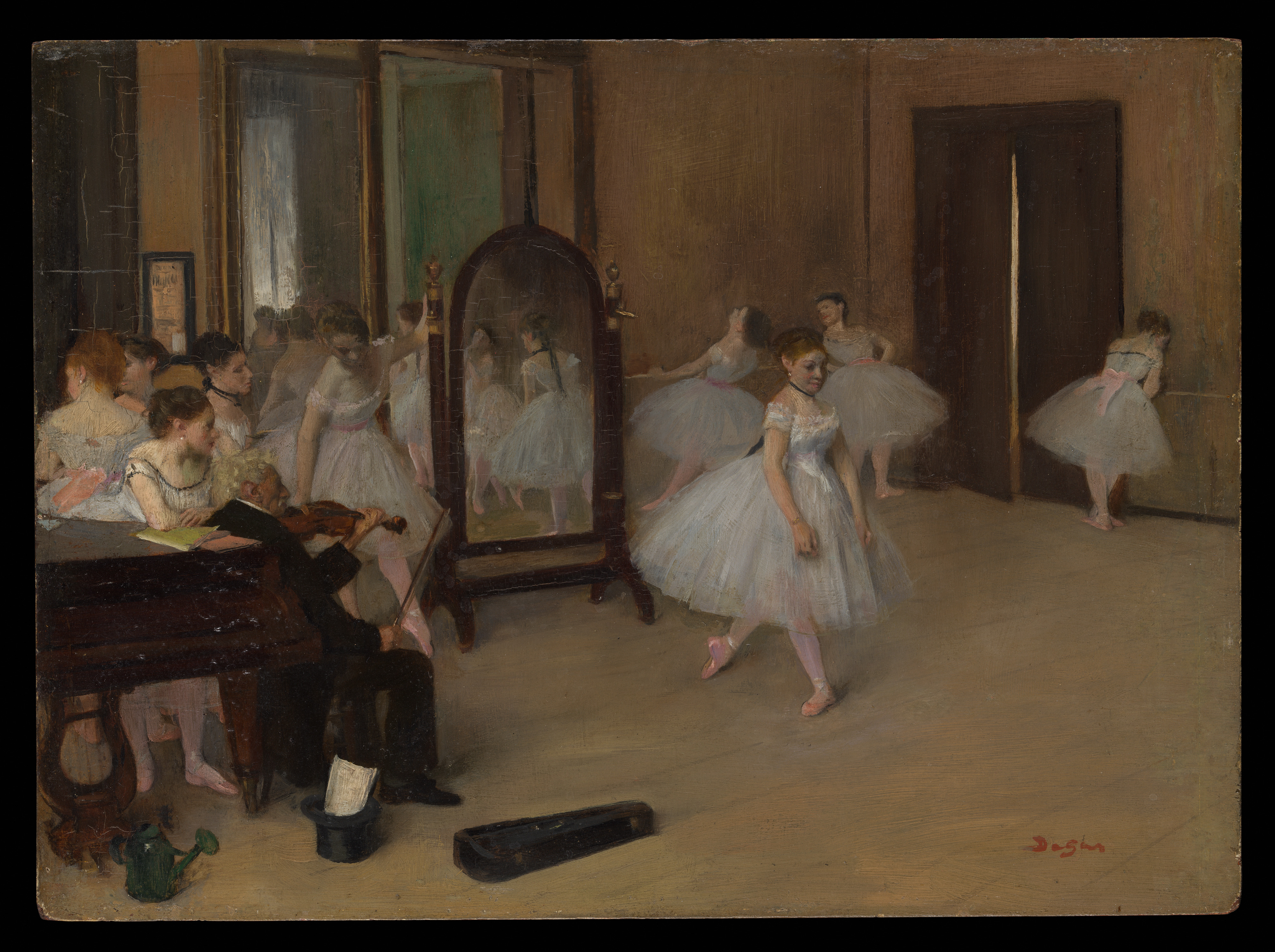
Fascinacija Edgara Degaa svetom baleta proizvela je neke od najnovatorskijih slika devetnaestog veka, a Čas baleta stoji među najboljim od tih dela. Započeta oko 1871. i prerađivana do 1874, slika prikazuje probu pod nadzorom legendarnog baletskog majstora Žila Peroa, koji se već povukao iz aktivnog podučavanja do vremena kada ga je Dega naslikao, ali čija je impozantna figura pružala kompozicionu i narativnu sidru koju je umetnik zahtevao. Dega je imao pretplatu na Parisku operu i uživao pristup iza scene, što mu je omogućavalo da posmatra iscrpljujuće dnevne rutine koje su podržavale glamurozne nastupe koje je publika gledala iz gledalista. Za razliku od idealizovanih prikaza plesa rasprostranjenih u akademskom slikarstvu, Degaa je privlačio rad, disciplina i neglamurozna fizička stvarnost baletskog treninga.
Slika je nastala tokom perioda intenzivnog kreativnog vrenja za Degaa i za širi impresionistički pokret. Godine nakon Francusko-pruskog rata i Komune videle su kako se pariski kulturni život ponovo konstituiše, a Opera je služila kao ključna institucija u toj restauraciji buržoaske normalnosti. Dega, koji je potiecao iz bogate bankarske porodice i posedovao klasičnu obuku sa Škole lepih umetnosti, zauzimao je distinktivnu poziciju unutar impresionističkog kruga: simpatičan prema njihovoj posvećenosti modernim temama i nezavisnom izlaganju, a opet otporan prema plener slikarstvu i posvećen primatu crteža. Čas baleta oličava ovaj singularan stav, spajajući nepogrešivo savremenu temu sa kompozicionom strogošću koja duguje isto toliko Pusenu i Engru koliko i estetici trenutnog snimka modernog grada.
Formalna analiza
Kompozicija Časa baleta je tour de force proračunate asimetrije. Dega pozicionira posmatrača pod kosim uglom u odnosu na probni prostor, stvarajući izraženo dijagonalno povlačenje od donjeg levog prednjeg plana do gornjeg desnog zadnjeg plana. Prazno prostranstvo poda u levom centru platna je smeo kompozicioni potez, generišući osećaj prostranosti i kontingentnosti koji sugeriše da je posmatrač nabasao na ovu scenu umesto da mu je formalno predstavljena. Žil Pero, naslonjen na svoj drveni štap, zauzima kompozicioni oslonac, njegova tamna silueta obezbeđuje stabilizujuću vertikalu usred rasutog rasporeda plesačica koje se istežu, nameštaju svoje kostime i čekaju svoj red.
Degaova paleta je karakteristično uzdržana, izgrađena oko mekih belina i bledih pastela tutuja plesačica postavljenih nasuprot toplim okerima drvenog poda i prigušenim zelenima lambrerije. Svetlost ulazi kroz visoke prozore sa desne strane, bacajući hladno, ravnomerno osvetljenje po prostoriji koje Dega prikazuje sa izuzetnom suptilnošću, izbegavajući dramatičan kjaroskuro u korist sjajne jasnoće koja otkriva svaki detalj stava i izraza. Potez četke strateški varira: tutui su prikazani prozračnim, translucidnim potezima koji dočaravaju mekoću tila, dok su arhitektonski elementi obrađeni čvršćim, definisanijim potezima. Uticaj japanskih ukijo-e grafika evidentan je u podignutom gledištu, odsecanju figura na ivici platna i smeloj upotrebi negativnog prostora — sredstva koja slici daju njen distinktivni osećaj modernosti i vizuelnog iznenađenja.
Značaj i nasleđe
Čas baleta uspostavio je mnoge kompozicione i tematske konvencije koje će definisati Degaovo naknadno istraživanje baletske tematike tokom narednih tri decenije. Inovativna prostorna organizacija slike — njeno radikalno odsecanje, dijagonalne perspektive i kontraintuitivna distribucija vizuelne težine — duboko je uticala na kasnije umetnike od Tuluz-Lotreka do Bonara, i anticipirala kompozicionu slobodu koja će karakterisati fotografiju i film dvadesetog veka. Delo je ušlo u francuske nacionalne kolekcije kroz značajan legat Kamonda 1911, obezbeđujući svoju vidljivost i ulogu u oblikovanju umetničko-istorijskog razumevanja impresionizma kao pokreta posvećenog ne samo optičkim efektima, već i reinvenciji slikovne strukture.
Izvan svojih formalnih inovacija, slika zauzima značajno mesto u socijalnoj istoriji umetnosti. Degaove baletske scene podstakle su opsežnu naučnu diskusiju o politici posmatranja, rodu i klasi u Francuskoj za vreme Drugog carstva i Treće republike. Mlade plesačice, mnoge iz radničkih porodica, trenirale su pod uslovima intenzivne fizičke discipline i bile izložene pogledu bogatih muških pretplatnika poznatih kao abonei, koji su uživali pristup iza scene. Degaova pozicija i posmatrača i učesnika u ovom svetu daje njegovim baletskim slikama složenost koja se opire prostoj kategorizaciji kao slavljenje ili kritika. Čas baleta ostaje suštinski za svako ozbiljno proučavanje načina na koji se moderna umetnost angažovala sa institucijama, radnim praksama i socijalnim hijerarhijama urbanog života devetnaestog veka.