Istorijski kontekst
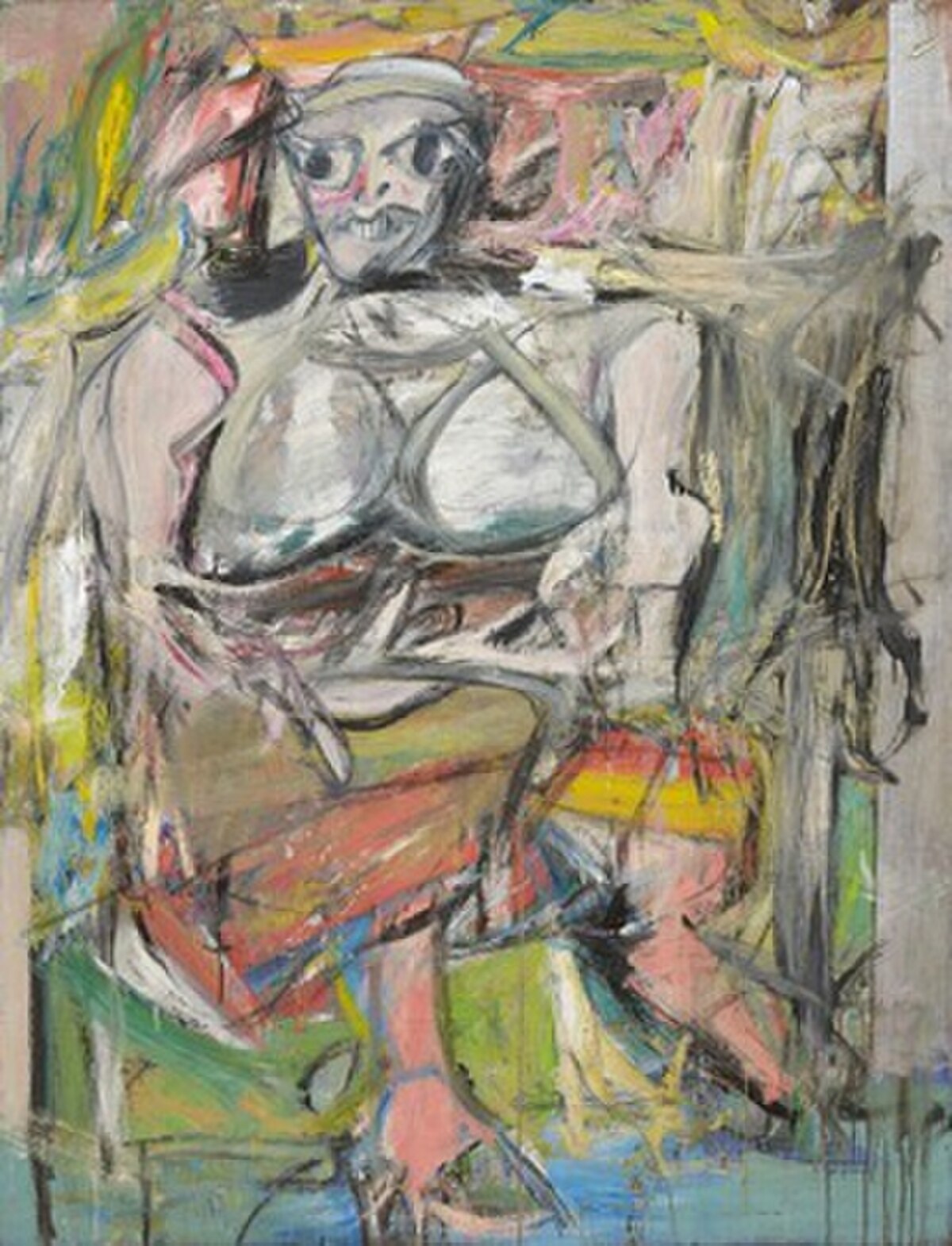
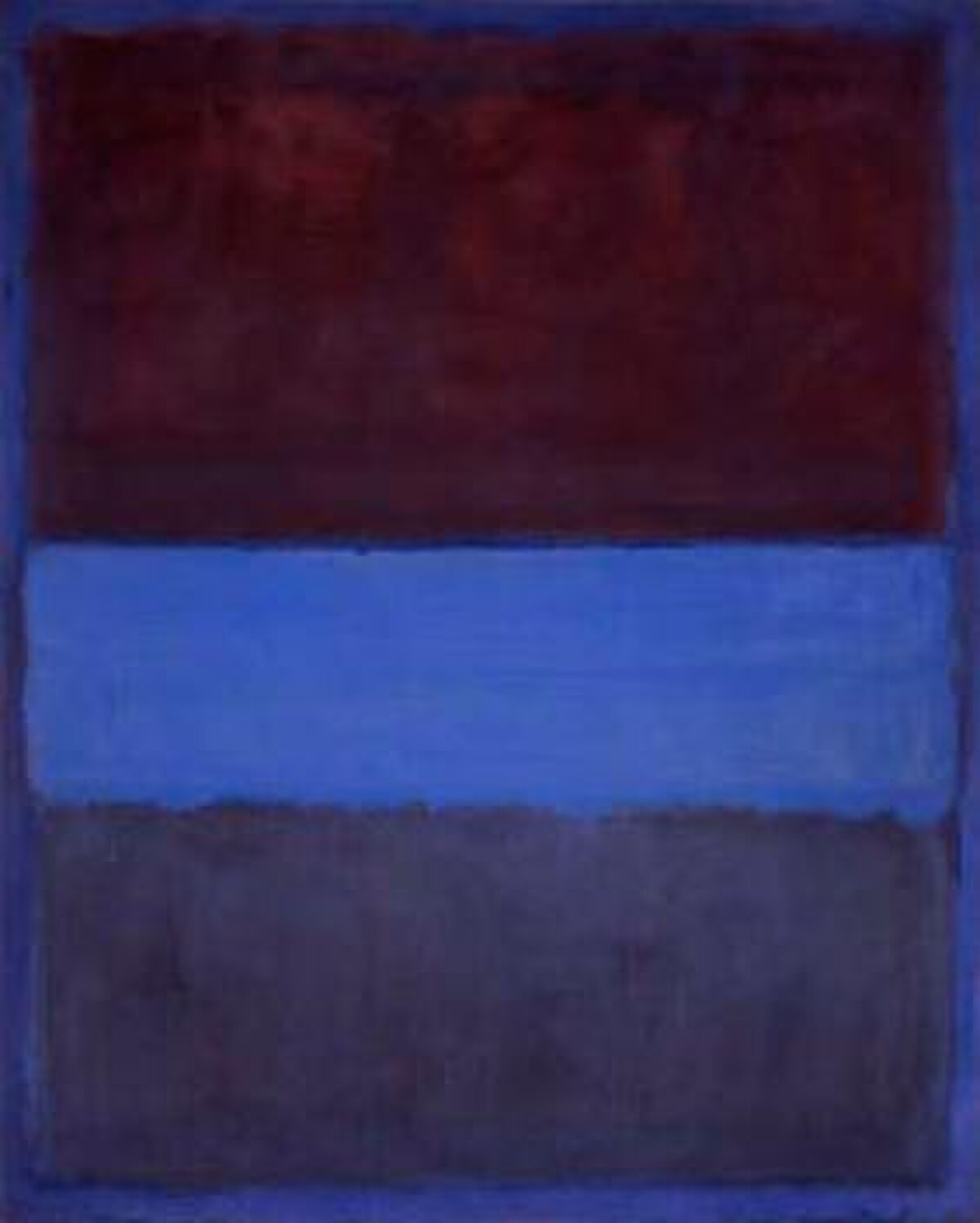
Do 1953. Mark Rotko je potpuno napustio biomorfne nadrealističke forme svoje ranije karijere i stigao do karakterističnog kompozicionog formata koji će definisati njegovo nasleđe: naslagana, mekanih ivica pravougaona polja boje suspendovana na monohromatskoj podlozi. Br. 61 (Rđa i plava) pripada izvanrednoj sekvenci slika velikog formata produkovanih tokom ranih do sredinom pedesetih godina, periodu koji se široko smatra Rotkovim najuspelijim i emocionalno najrezonantnijim. Bio je to trenutak konsolidacije unutar njujorške škole, kada je apstraktni ekspresionizam postigao kritičko priznanje kroz zagovaranje Klementa Grinberga, Harolda Rozenberga i institucija poput galerija Beti Parsons i Sidnija Džanisa. Rotko je, međutim, odbijao etiketu „akcionog slikarstva” primenjivanu na savremenike poput Vilema de Kuninga i Franca Klajna, insistirajući umesto toga da su njegove slike instrumenti emocionalne, pa čak i duhovne komunikacije.
Slika je ušla u kolekciju italijanskog industrijalca grofa Đuzepea Pance di Bjuma, jednog od najpronicljivijih posleratnih kolekcionara, pre nego što je postala kamen temeljac novosnovanog Muzeja savremene umetnosti u Los Anđelesu 1983. Njeno putovanje od Rotkovog ateljea preko galerije Marlboro i u kolekciju Panca odražava širi posleratni narativ američke avangardne umetnosti koja prelazi Atlantik da nađe evropsko pokroviteljstvo pre povratka u velika američka institucionalna vlasništva. Monumentalne dimenzije dela — gotovo tri metra visine — bile su namerne: Rotko je specificirao da se njegove slike gledaju iz blizine, tako da posmatrač bude obavijen bojom i uvučen u intimni susret sa platnom.
Formalna analiza
Kompozicija Br. 61 (Rđa i plava) varljivo je jednostavna: dve dominantne pravougaone zone — topla, zemljana rđasto-narandžasta gornja polja i dublja, hladnija plava donja — lebde na podlozi koja posreduje između dva tona. Pa ipak, prividna jednostavnost krije izvanrednu tehničku sofisticiranost. Rotko je nanosio uljanu boju u višestrukim tankim, prozirnim nalivima, dozvoljavajući nižim slojevima da dišu kroz površinu. Ova tehnika proizvodi luminoznost koju reprodukcija ne može uhvatiti; boje izgledaju kao da emituju svetlo umesto da ga samo reflektuju. Ivice svake pravougaone forme su razblažene i neodređene, vibrirajući nasuprot okrpoužujućem polju na način koji generiše optičku pulsaciju i prostornu dvosmislenost. Posmatrač ne može fiksirati pravougaonike u prostoru — oni kao da istovremeno napreduju i povlače se, stvarajući dišuću, atmosfersku dubinu.
Dimenzije platna su kritične za njegov efekat. Rotko je nameravao da posmatrač stoji na razdaljini od otprilike četrdeset pet centimetara, tako da slika ispuni periferno vidno polje i proizvede imerzivno, gotovo arhitektonsko iskustvo boje. Topli ton rđe evocira asocijacije na zemlju, glinu i oksidaciju, dok plava nosi konotacije dubine, neba i introspekcije. Napetost između ova dva hromatska pola — jedan koji napreduje, drugi koji se povlači — generiše dinamičku ravnotežu koja opire razrešenju, održavajući posmatračevu pažnju u stanju kontemplativne suspenzije. Rotkovo odbijanje gesturalnog poteza, figuracije ili kompozicionog incidenta svodi sliku na njene suštinske odrednice: boju, dimenzije i emocionalni odgovor koji izazivaju.
Značaj i nasleđe
Br. 61 (Rđa i plava) zauzima ključnu poziciju u istoriji posleratnog američkog slikarstva i u široj putanji apstrakcije u dvadesetom veku. Ono ilustruje tendenciju kolornog polja unutar apstraktnog ekspresionizma — mod slikarstva koji je davao prioritet optičkoj senzaciji i emocionalnoj neposrednosti nad gestualnim ekspresionizmom Rotkovih savremenika. Delo anticipira i direktno utiče na sledeću generaciju slikara kolornog polja, uključujući Morisa Luisa, Keneta Nolanda i Žila Olitskog, koji bi istraživali optičke i hromatske mogućnosti koje je Rotko otvorio, mada često sa manje egzistencijalne težine na kojoj je Rotko insistirao.
Rotkovo insistiranje da njegove slike nisu vežbe u formalnim odnosima boje, već sredstva za izražavanje „osnovnih ljudskih emocija — tragedije, ekstaze, propasti” duboko je oblikovalo kritičku i popularnu recepciju njegovog rada. Br. 61 stoji kao jedna od vrhovnih demonstracija sposobnosti slikarstva da komunicira stanja osećanja čisto nereprezentativnim sredstvima. Njegovo prisustvo u MOCA-i ukotvljuje zbirku muzeja u ključnom trenutku kada je američka umetnost postigla međunarodni primat i kada je apstrakcija dostigla tačku maksimalne emocionalne i filozofske ambicije. Slika nastavlja da služi kao probni kamen za debate o granicama formalističkih naspram egzistencijalističkih čitanja apstraktne umetnosti, i ostaje jedan od najčešće citiranih primera kako dimenzije, boja i površina mogu da proizvedu iskustvo koje mnogi posmatrači opisuju kao istinski transcendentno.