Istorijski kontekst
Autumn Rhythm (Number 30) naslikan je u oktobru 1950, tokom najkoncentrisanije i najproduktivnije faze Džekson Polokove karijere. Godine između 1947. i 1950. čine jedno od najizuzetnijih kreativnih ispoljavanja u istoriji moderne umetnosti, period u kome je Polok usavršio i iscrpeo drip tehniku koja ga je učinila najslavnijim — i najkontroverznijim — umetnikom u Americi. Do jeseni 1950, Polok je bio na vrhu slave: časopis Life ga je profilisao prethodne godine, kritičar Klement Grinberg ga je proglasio najvažnijim slikarom svoje generacije, a kolekcionari i muzeji počeli su da nabavljaju njegova dela. Takođe je u tom periodu Hans Namut napravio svoje slavne fotografije i film Poloka na poslu, dokumentujući fizički intenzitet drip procesa po prvi put.
Slika je nastala u preuređenoj štali koja je služila kao Polokov atelje na imanju u Springsu, Ist Hemptonu, Long Ajlendu, koje je delio sa svojom suprugom, slikarkom Li Krasner. Polok je postavio ogromnu dužinu negrunovane pamučne tkanine — preko pet metara širine — na pod štale i radio na njoj sa sve četiri strane, krećući se oko i preko površine u ritmičnoj, plesnoj maniri koju su Namutove fotografije ovekoveočile. Naslov, dat nakon završetka, evocira godišnje doba u kome je slika nastala i sugeriše podudarnost između organskih ritmova slike i prirodnih ciklusa rasta i propadanja. Metropolitan Museum of Art nabavio je delo 1957, samo godinu dana nakon Polokove smrti u automobilskoj nesreći u četrdeset četvrtoj godini, odmah ga prepoznavši kao jedno od definišućih remek-dela američke umetnosti.
Jesen 1950. bila je i prekretnica u Polokovom životu. Namutove filmske sesije, koje su zahtevale od Poloka da izvodi svoj slikarski proces pred kamerom, široko se smatraju doprinosom psihološkoj krizi. Nakon poslednje sesije snimanja krajem novembra, Polok — koji je bio trezan dve godine tokom svog najproduktivnijeg perioda — ponovo je počeo da pije. Nikada se potpuno nije vratio drip tehnici, i preostalih šest godina njegovog života obeležili su kreativna borba, alkoholizam i postepeni raspad braka. Autumn Rhythm tako stoji ne samo kao vrhunsko umetničko dostignuće već i kao oproštaj — jedna od poslednjih velikih slika drip perioda, nastala u trenutku kada je Polokovo majstorstvo bilo najkompletnije a lična stabilnost najneizvesnija.
Formalna analiza
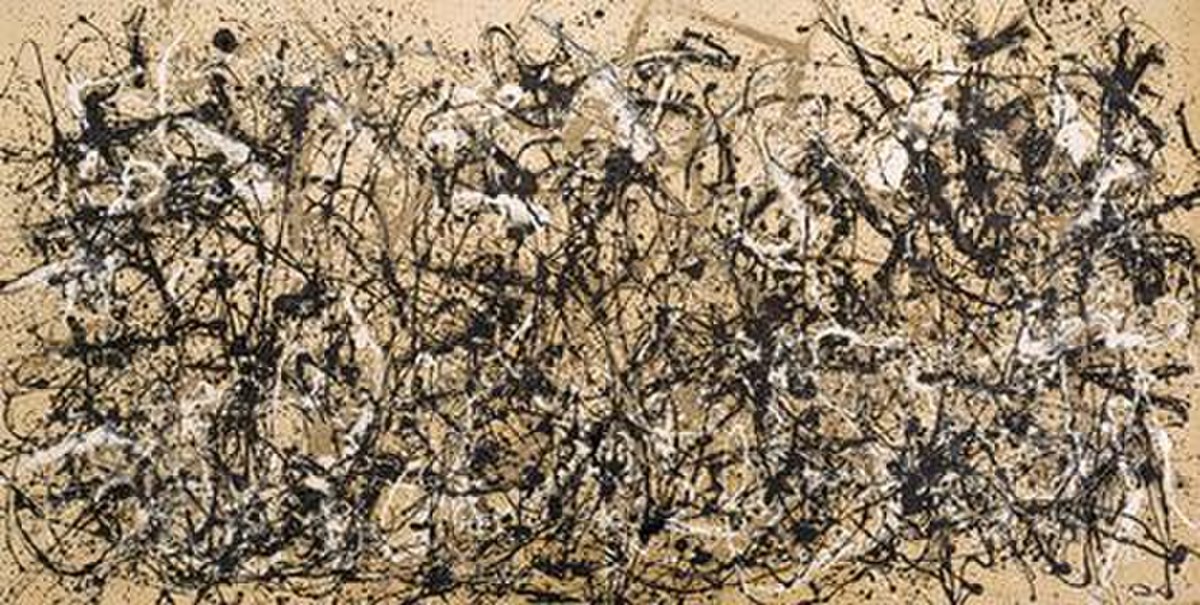
Autumn Rhythm se razlikuje od mnogih drugih Polokovih drip slika relativno suzdržanom paletom i izvanrednim osećajem otvorenosti i daha. Dok je Number 1A, 1948 gust i slojevit, sa nitima boje nagomilanim jedne na druge stvarajući neprobojnu mrežu, Autumn Rhythm dozvoljava da sirovo platno ostane vidljivo kroz čitavu kompoziciju, stvarajući dijalog između oslikanih i neoslikanih površina koji delu daje prostranstvo i svetlosnost nenadmašenu u Polokovom opusu. Primarni medij je crni emajl, dopunjen pasažima braon, bele i tirkizne, nanesenim u širokim lukovima i petljama koje prelaze ogromnu horizontalnu površinu platna.
Kompozicija se razvija kao niz slojevitih događaja. Polok je počeo širokim, zamašnim izlivanjima crnog emajla koja uspostavljaju fundamentalnu ritmičku strukturu slike — duge, vijugave putanje koje se krivudaju i ukrštaju po površini poput grana drveta na vetru. Preko ovih početnih gestova, dodavao je sekundarne slojeve: finije kapljice, prskotine i zgusle partije koje stvaraju teksturalnu varijaciju i vizuelnu dubinu. Beli i tirkizni akcenti izgleda da su dodati kasno u procesu, funkcionišući kao kontrapunkti dominantnim crnim i braon tonovima — trenuci svetlosti koji punktiraju tamniju mrežu poput sunčeve svetlosti kroz lišće. Razređeni braon emajl stvara prozirne mrlje koje se upijaju u sirovo platno, proizvodeći atmosferske efekte koji anticipiraju tehniku natapanja Helen Frankentalerove od dve godine kasnije.
Horizontalni format — preko pet metara širine ali samo oko dva i po metra visine — pojačava asocijacije slike sa pejzažem. Oko posmatrača se vuče lateralno preko površine, prateći zamašne lukove izlivene boje u vizuelnom iskustvu koje se razvija u vremenu, slično načinu na koji bi se mogao pretraživati panoramski pejzaž. Ipak, sveprisutna kompozicija — odsustvo bilo kog žarišta, centra ili naglaska na ivicama — opire se implikaciji tradicionalnog pejzažnog formata o pogledu kroz prozor. Slika ne predstavlja pejzaž; ona otelotvoruje ritmove i energije pejzaža u čisto apstraktnim terminima. Istoričar umetnosti E. A. Karmin mlađi tvrdio je da trodelna struktura vidljiva u mnogim Polokovim drip slikama — gušća centralna zona flankirana otvorenijim pasažima levo i desno — odražava rezidualni uticaj kompozicionih principa Tomasa Hart Bentona, usvojenih tokom Polokovih studentskih godina na Art Students League.
Fizički dokazi slikarskog procesa čitljivi su širom platna. Zgusle oblasti emajla otkrivaju trenutke kada je Polok zastao ili promenio pravac; bičaste linije beleže brzinu i putanju pokreta njegove ruke; prskotine i kapljice različite veličine ukazuju na promene u visini i brzini izlivanja. Detaljno ispitivanje otkriva da nijedna oblast platna nije slikana mehanički ili repetitivno — svaki pasaž je jedinstven odgovor na vizuelno polje koje se razvija, demonstrirajući improvizacionu inteligenciju koja razlikuje Polokove drip slike od pukog slučaja. Naučnik Ričard Tejlor je fraktalnom analizom Polokovih drip slika pokazao da one ispoljavaju fraktalne obrasce na više razmera, sa složenošću koja se povećavala tokom drip perioda — dokaz da je Polok postizao nivo strukturne koherentnosti koji, iako nije svesno proračunat, odražava duboki matematički red koji leži u osnovi prirodnih fenomena.
Značaj i nasleđe
Autumn Rhythm se široko smatra jednom od dve ili tri najveće Polokove slike, zajedno sa Number 1A, 1948 i Lavender Mist. Njeno prisustvo u Metropolitan Museum of Art — jednom od najposećenijih muzeja na svetu — učinilo ju je jednim od najčešće viđenih dela apstraktnog ekspresionizma, upoznajući milione posetilaca sa radikalnim mogućnostima nereprezentativnog slikarstva. Odluka Met-a da nabavi delo 1957. bila je značajno institucionalno priznanje važnosti apstraktnog ekspresionizma, smeštajući Polokovo dostignuće pored muzejskih zbirki Rembranta, Vermera i drugih kanonskih figura zapadne umetnosti.
Uticaj slike proteže se daleko izvan njenog neposrednog umetničkog konteksta. Njena demonstracija da slikarstvo može biti celotelelesna, performativna aktivnost direktno je anticipirala hepeninge Alana Kaprova (koji je studirao kod istoričara umetnosti Mejera Šapira, zagovornika Poloka), body art šezdesetih i sedamdesetih godina i širi performativni zaokret u savremenoj umetnosti. Njeni horizontalni format i monumentalna razmera uticali su na oblikovana platna Frenka Stele, ambijentalne instalacije Džejmsa Tarela i panoramske apstrakcije savremenih slikara kao što je Džuli Meresu. Ritmička, sveprisutna struktura dela upoređivana je sa improvizacionim strukturama bebop džeza — Polok je bio posvećeni slušalac džeza — i sa serijskim kompozicijama Džona Kejdža, sugerirajući širu konvergenciju umetničkih disciplina sredinom veka oko principa spontanosti, slučajnosti i nehijerarhijske organizacije.
Možda najdublje, Autumn Rhythm je demonstrirao da apstrakcija može biti lirska bez da bude dekorativna, monumentalna bez da bude bombastična, i duboko ekspresivna bez da bilo šta predstavlja. Ostaje jedan od vrhovnih argumenata za emocionalnu i intelektualnu snagu apstraktnog slikarstva — delo koje nagrađuje ustrajnu pažnju sve dubljim uvažavanjem njegove unutrašnje logike, fizičke lepote i otelotvorenja jedinstvenog ljudskog bića koje se kreće kroz prostor i vreme.