Istorijski kontekst
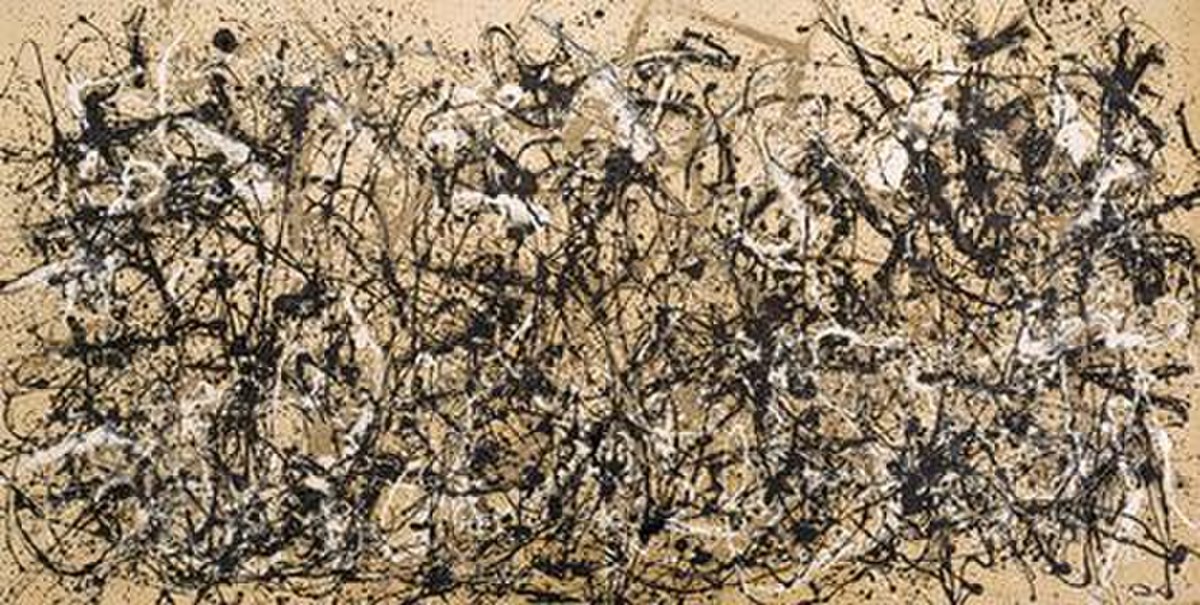
Broj 1A, 1948 Džeksona Poloka spada među vrhunska dostignuća apstraktnog ekspresionizma i jedno od dela koja su najodlučnije redefinisala mogućnosti slikarstva u dvadesetom veku. Nastala u prenamenjenom štali koja je služila kao Polokov atelje na njegovom imanju u Springsu, Ist Hemptonu, Long Ajlendu, slika pripada zapanjujućem plodonosnom periodu drip slika nastalih između 1947. i 1950. — kratkom, žarkom periodu koji predstavlja vrhunac Polokove karijere i jednu od najkoncentrisanijih navala inovacije u istoriji umetnosti. Platno, dimenzija otprilike 173 sa 264 centimetra, pokriveno je gustom, ritmičkom mrežom prosute i prokapane boje — pretežno crne, bele, sive i srebrne emajl boje, sa pasažima zeleno-plave, žute i ružičaste — koja se proteže do ivica nosača bez ikakve konvencionalne žižne tačke, centra interesovanja ili kompozicione hijerarhije. Rezultat je ono što su kritičari nazvali „sveprisutnom” kompozicijom: vizuelno polje ravnomernog intenziteta koje uranja posmatrača u kontinuiranu, pulsirajuću mrežu linearne energije.
Tehnika koja je proizvela ovu mrežu bila je podjednako radikalna kao i rezultat. Polok je polagao svoje nerazapeto platno ravno na pod štale — odlučno odbacivanje vertikalnog štafelaja koji je organizovao zapadno slikarstvo vekovima — i kretao se oko i preko njega, prosipajući, kapajući i bacajući komercijalnu kućnu boju (Duko emajl, aluminijumsku boju za radijatore) sa štapova, zidarskih misterica i stvrdnutih četki. Nikada nije dodirivao površinu svojim alatom; boja je pristizala na platno kroz vazduh, vođena gravitacijom, brzinom i umetnikovim ritmom gesta. „Moje slikarstvo ne dolazi sa štafelaja”, izjavio je Polok u prijavi za Gugenhaejmovu stipendiju 1947. „Preferiram da prikucam nerazapeto platno na čvrst zid ili pod. Potreban mi je otpor čvrste površine. Na podu sam opušteniji. Osećam se bliže, više kao deo slike, jer na ovaj način mogu da hodam oko nje, radim sa sve četiri strane i bukvalno budem u slici.” Ovaj metod transformisao je slikarstvo iz čina reprezentacije — prikazivanja nečega — u čin performansa — činjenja nečega — i učinio je fizički proces stvaranja vidljivim u svakoj niti i kapljici gotovog dela.
Fotografije i film Hansa Namuta o Poloku na poslu, snimljene tokom leta i jeseni 1950, pružili su definitivnu vizuelnu dokumentaciju ovog procesa i duboko oblikovali javno razumevanje apstraktnog ekspresionizma. Namutove slike pokazuju Poloka kako čuči, nasrće i kruži nad platnom sa intenzitetom koji podseća na ritualni ples, celim telom angažovanim u činu slikanja. Ove fotografije doprinele su mitologizaciji Poloka kao prototipskog „akcionog slikara” — termin koji je skovao kritičar Harold Rozenberg u svom uticajnom eseju iz 1952. „Američki akcioni slikari”, u kome je tvrdio da je platno postalo „arena u kojoj se deluje” a ne „prostor u kome se reprodukuje, redizajnira, analizira ili ‘izražava’ objekat”. Za Rozenberga, slika nije bila slika već zapis događaja — tragovi ostavljeni umetnikovim fizičkim susretom sa materijalima. Pomno ispitivanje Broja 1A, 1948 otkriva ne samo prosute pramenove boje već i otiske ruku — Polokove sopstvene ruke utisnute u mokru površinu — koje bukvalizuju Rozenbergov koncept slike kao indeksa umetnikove telesne prisutnosti.
Formalna analiza
Sveprisutnu kompoziciju Broja 1A, 1948 sa posebnim žarom zagovarao je kritičar Klement Grinberg, čija je formalistička teorija modernizma pružila dominantan kritički okvir za razumevanje apstraktnog ekspresionizma tokom 1950-ih i 1960-ih. Za Grinberga, Polokove drip slike predstavljale su logičnu kulminaciju istorijske putanje na kojoj je slikarstvo progresivno odbacivalo svoje iluzionističke funkcije — prikazivanje trodimenzionalnog prostora, prepoznatljivih objekata, narativnog sadržaja — da bi se koncentrisalo na svojstva jedinstvena za sam medijum: ravnost slikovne površine, fizička svojstva boje, ograničavajući oblik nosača. Sveprisutna kompozicija, ravnomerno distribuirajući vizuelne incidente preko platna i eliminišući svaki nagoveštaj prostorne dubine, postigla je radikalnu ravnost koju je Grinberg smatrao telosom modernističkog slikarstva. Dok je Grinbergovo formalističko čitanje opsežno kritikovano i dopunjeno naknadnom naukom, njegovo zalaganje bilo je instrumentalno u uspostavljanju Polokove kritičke reputacije i pozicioniranju apstraktnog ekspresionizma kao klimaksa modernističkog projekta.
Ritmička, naizgled haotična mreža prosute boje u Broju 1A, 1948 bila je predmet izvanredne naučne analize. Tokom 1990-ih, fizičar Ričard Tejlor i njegove kolege sa Univerziteta u Oregonu primenili su fraktalnu analizu na Polokove drip slike, demonstrirajući da prosuti obrasci boje ispoljavaju fraktalnu geometriju — iste samoslične strukture pronađene u prirodnim fenomenima kao što su obalne linije, oblačne formacije i grananje drveća. Tejlorovo istraživanje pokazalo je da su se Polokove fraktalne dimenzije povećavale tokom njegove karijere, od približno 1,45 u ranim drip slikama do 1,72 u kasnim, sugerišući progresivno usavršavanje njegove tehnike ka većoj složenosti. Štaviše, studije percepcije pokazale su da ljudski ispitanici nalaze fraktalne obrasce u rasponu od 1,3 do 1,5 — precizno raspon Polokovih dela iz sredine karijere — najest estetski privlačnima, korelirajući sa fraktalnim dimenzijama pronađenim u prirodnim pejzažima. Ovo istraživanje sugeriše da intuitivna privlačnost Polokovog rada može biti utemeljena u njegovoj strukturnoj rezonanciji sa fraktalnim obrascima prirodnog sveta — da njegove prosute niti boje, daleko od nasumičnosti, otelotvoruju duboki matematički red koji leži u osnovi naizgled haotičnih prirodnih sistema.
Poređenja između Polokove tehnike i drugih formi ritmičke, celotelesne kreativne aktivnosti bila su uporan motiv u kritičkoj literaturi. Indijansko slikanje peskom — u kome se obojeni peskovi prosipaju po tlu da bi se stvorili privremeni ceremonijalni dizajni — citiramo je kao mogući uticaj, s obzirom na Polokovo interesovanje i izloženost indijanskoj umetnosti tokom mladosti na američkom Zapadu i kroz studiranje kod Tomasa Hart Bentona. Džez improvizacija nudi još jednu ubedljivu analogiju: poput džez muzičara, Polok je radio bez unapred određenog plana, reagujući u realnom vremenu na evoluirajuće vizuelno polje, gradeći složene strukture kroz spontani, ritmički gest uz održavanje sveobuhvatne koherentnosti koja prevazilazi individualni trag. Plesni kvalitet njegovog radnog procesa takođe je poređen sa koreografskim eksperimentima njegovih savremenika Mersa Kaningama i Marte Grejem, sugerišući širu konvergenciju umetničkih disciplina sredinom veka oko primata otelotvorene, performativne akcije.
Geopolitički kontekst Polokovog uspona do prominentnosti dodaje sloj složenosti interpretaciji njegovog rada. Tokom Hladnog rata, vlada Sjedinjenih Država — kroz Centralnu obaveštajnu agenciju i organizacije poput Kongresa za kulturnu slobodu — prikriveno je promovisala apstraktni ekspresionizam kao dokaz američke kulturne slobode i kreativnog individualizma, nasuprot državno propisanom socijalističkom realizmu Sovjetskog Saveza. Izložbe američkog apstraktnog slikarstva organizovane su i finansirane, direktno ili indirektno, od strane agencija sa vezama sa CIA-om, i slane na turneju kroz Zapadnu Evropu i šire. Polokove drip slike — sa njihovom radikalnom slobodom od konvencija, proslavom individualnog gesta, odbijanjem bilo kakvog propisanog sadržaja — bile su posebno pogodne za ovu ideološku svrhu. Ironija da je sam Polok bio politički naklonjen levici, proučavajući kod komunistički orijentisanog Bentona i doprinoseći narudžbinama Federalnog umetničkog projekta tokom Nju Dila, dodaje još jedan sloj složenosti ovoj hladnoratovskoj instrumentalizaciji njegovog rada.
Recepcija i nasleđe
Broj 1A, 1948 ušao je u kolekciju Muzeja moderne umetnosti 1958. i ostao jedno od najvažnijih blaga institucije. Njegov uticaj na kasniju umetnost bio je ogroman i raznovrstan: sveprisutna kompozicija anticipirala je serijske strukture minimalizma; performativni proces anticipirao je hepening i performans umetnost; upotreba komercijalnih materijala anticipirala je prihvatanje svakodnevnog od strane pop arta; a sama fizička razmera i imerzivni kvalitet dela anticipirali su instalacionu i ekološku umetnost. Ipak, slika se takođe opire asimilaciji u bilo koji narativ linearnog progresa, zadržavajući sirovu, elementarnu moć koja prevazilazi njen istorijski trenutak. Stajati pred njom znači suočiti se sa tragom ljudskog tela u pokretu — zapisom specifičnog niza fizičkih činova izvedenih od strane specifične osobe na specifičan dan — sačuvanim u zamrznutim putanjama prosute i prokapane boje. Upravo ova nesvodiva fizičnost, ovo insistiranje na slici kao materijalnoj činjenici a ne vizuelnoj iluziji, konstituiše Polokov najradikalniji i najtrajniji doprinos umetnosti dvadesetog veka.