Istorijski kontekst
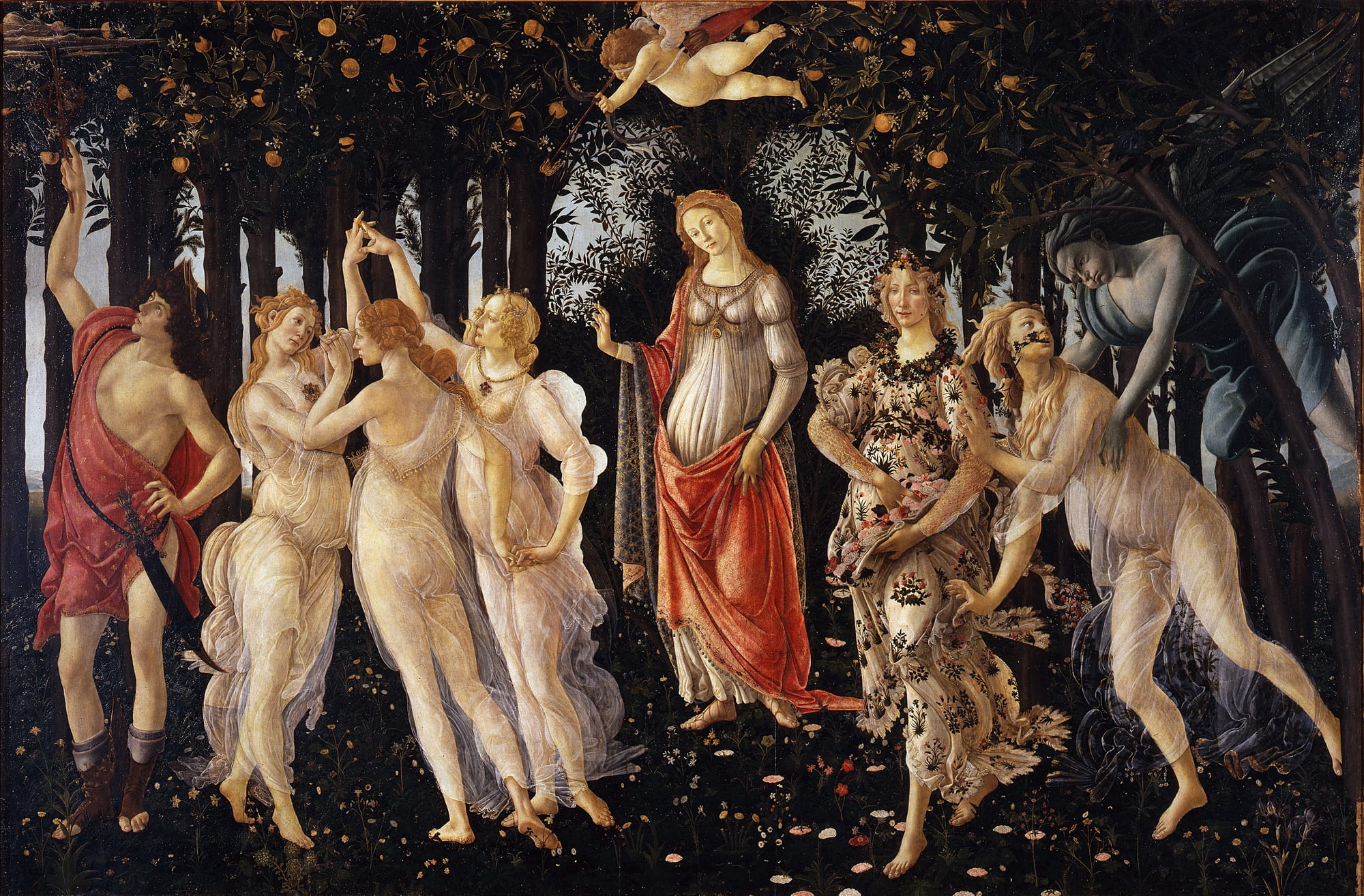
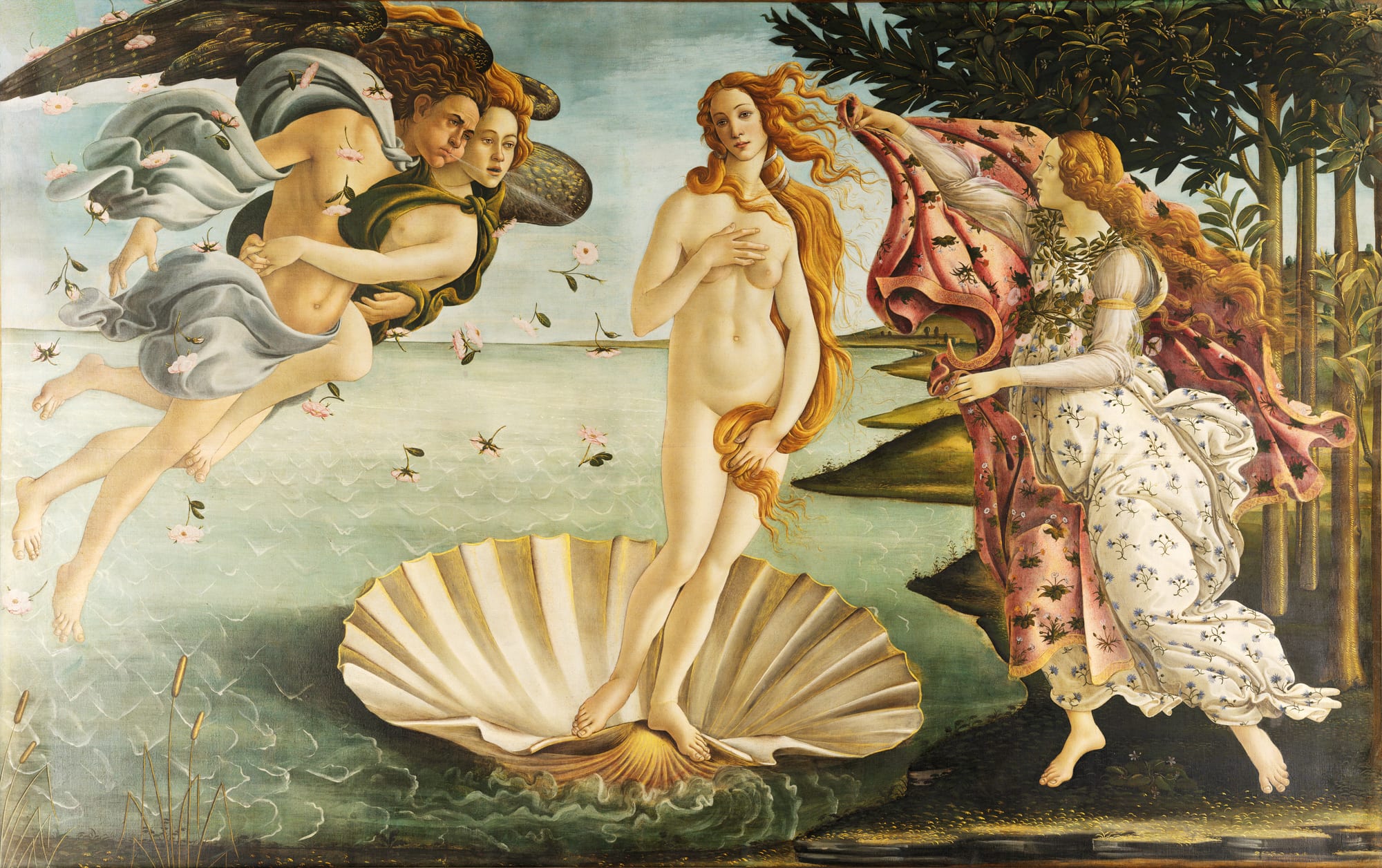
Rođenje Venere, koje je Sandro Botičeli naslikao oko 1485. godine, predstavlja najslavniji vizuelni izraz neoplatonske filozofske kulture koja je cvetala u Firenci Lorenca de Medičija tokom poslednje četvrtine petnaestog veka. Slika je gotovo izvesno nastala za člana porodice Mediči — verovatno za Lorenca di Pjerfrančeska de Medičija, rođaka Lorenca Veličanstvenog, za čiju je vilu u Kastelu Botičeli takođe naslikao Primaveru — a njena tematika, bez presedana u postklasičnom slikarstvu velikog formata, odražava ambiciozan program medičejskog kruga da sintetizuje hrišćansku teologiju sa platonskom filozofijom i klasičnom mitologijom. Delo prikazuje trenutak opisan u Homerskoj himni Afroditi i razrađen od strane firentinskog pesnika Anđela Policijana u njegovom delu Stanze per la Giostra (1475-1478): boginja Venera (Afrodita), rođena iz morske pene, pristiže na obalu na školjci, nošena prepletenim bogovima vetra Zefirom i Hloridom (ili Aurom), a dočekuje je figura identifikovana kao jedna od Hora (Časova), koja stoji spremna da boginju ogrne ogrtačem vezenim cvećem.
Neoplatonski filozofski program koji leži u osnovi slike potiče prvenstveno iz spisa Marsilija Fičina, upravnika Platonske akademije u Firenci i prevodioca kompletnih Platonovih dela na latinski. U Fičinovoj sinkretičkoj teologiji, Venera nije bila samo paganska boginja ljubavi, već simbol božanske lepote — nebeska Venera (Venus Caelestis) čija lepota, kontemplirana filozofskim umom, može voditi dušu naviše od materijalnog sveta ka carstvu čistih Formi. Tema slike — rođenje ili dolazak Venere — tako alegorijski prikazuje trenutak kada božanska lepota ulazi u fizički svet, čineći sebe dostupnom ljudskom opažanju i, kroz to opažanje, filozofskom uzdizanju. Ovo tumačenje pretvara ono što bi moglo izgledati kao čulna proslava ženskog akta u meditaciju o metafizici, usklađujući mitološki sadržaj slike sa hrišćanskim neoplatonskim okvirom koji su Fičino i njegovi sledbenici razradili u delima poput De Amore (1484), komentara na Platonov Simpozijum.
Formalna analiza
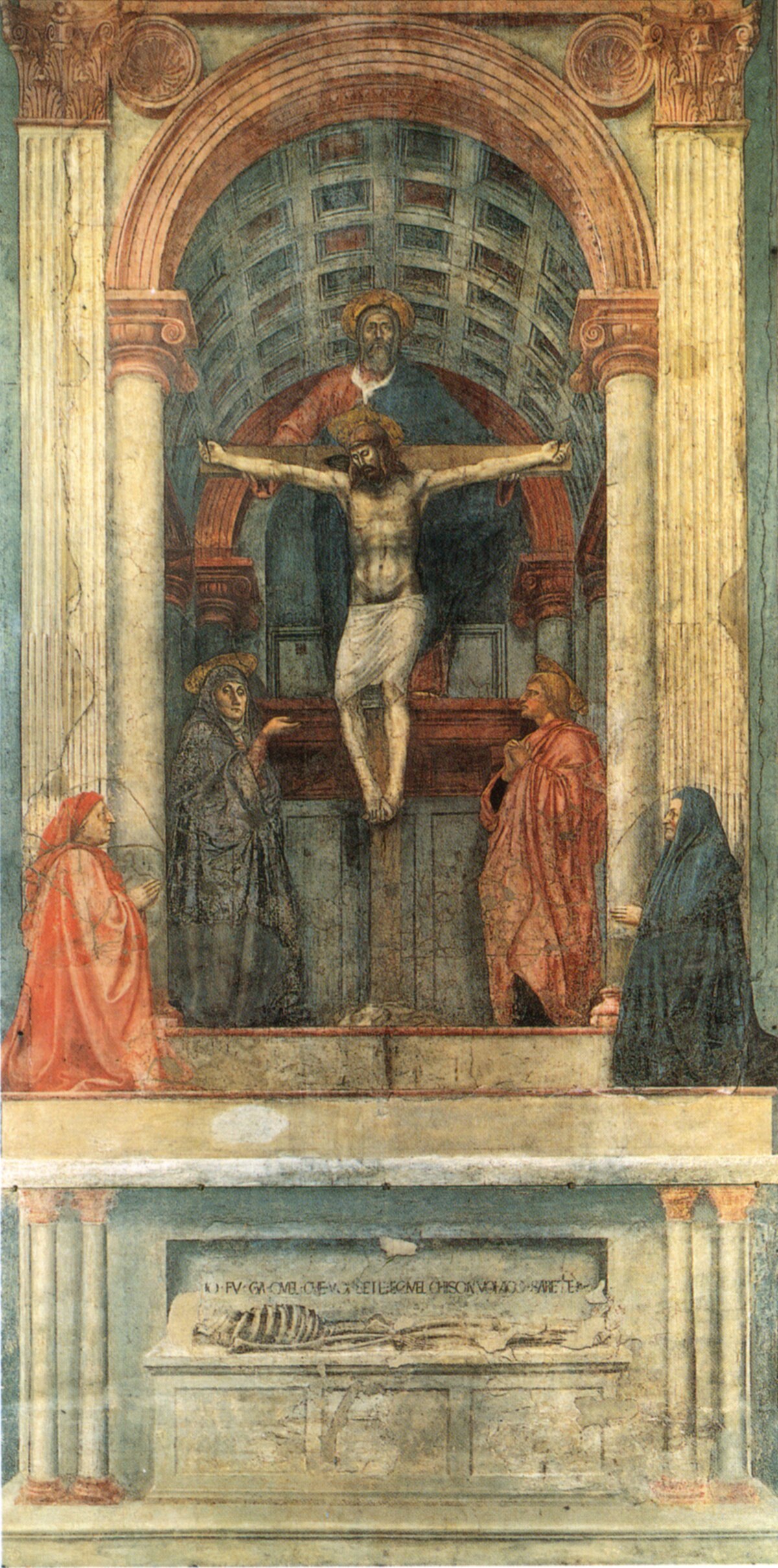
Kompozicija je namerno i upadljivo arhaična, kvalitet koji je razlikuje od prostornog iluzionizma koji su istovremeno razvijali Botičelijevi firentinski savremenici. Figure su raspoređene po plitkom, frizolikom prostoru sa minimalnim povlačenjem u dubinu; more je prikazano kao ravan, dekorativni uzorak V-oblika talasića umesto uverljivog prostranstva vode; pejzaž sa desne strane je sumarno naznačen; a same figure, iako anatomski detaljne, ne nastanjuju svoj prostor sa gravitacionom ubedljivošću kakvu imaju, recimo, figure na Mazačovim freskama ili Leonardovim slikama. Ova ravnost nije nedostatak veštine — Botičeli je bio vrhunski crtač — već namerni estetski izbor koji sliku usklađuje sa tradicijama antičkog reljefnog vajarstva i kasnosrednjovekovne dekorativne umetnosti, stvarajući vizuelni registar prikladan njenoj mitološkoj i filozofskoj tematici. Slika ne teži iluziji fizičkog prisustva, već stanju vizije — slike idealne lepote koja pripada carstvu kontemplacije, a ne empirijskog posmatranja.
Ikonografija i simbolika
Sama Venera je kompozicioni i simbolički centar dela, njena figura organizovana oko vijugave, blago neuravnotežene S-krivine koja priziva klasičan kontrapost, ali se od njega značajno udaljava. Njene proporcije su namerno izdužene — vrat je nemoguće dugačak, levo rame pada pod anatomski neverovatnim uglom, torzo je sužen — stvarajući figuru nadzemaljske elegancije koja prevazilazi naturalističku reprezentaciju. Njen stav, sa jednom rukom koja pokriva grudi i drugom koja skuplja njenu nemoguće dugu zlatnu kosu preko stidnog dela, citira antički tip Venus Pudica (Stidljive Venere), poznat renesansi kroz rimske kopije poput Medičejske Venere. Pa ipak, Botičelijeva Venera nema kompaktni, samodovoljan kvalitet svojih klasičnih prototipova; izgleda kao da lebdi, bestežinska i pomalo nestabilna, na svojoj neverovatno plutajućoj školjci, njeno telo prisutno a opet nekako nematerijalno — slika lepote koja je istovremeno čulna i nematerijalna, fizička i transcendentna. Identifikacija Simonete Vespuči, mlade đenovljanske plemkinje slavljene kao najlepše žene u Firenci pre njene smrti od tuberkuloze 1476. godine, kao modela za Veneru postala je standard popularne istorije umetnosti, mada su dokazi indirektni i veza je možda više legenda nego činjenica.
Tehnička izvedba pojačava distinktivnu estetiku slike. Botičeli je radio u temperi na platnu — neobičan izbor za monumentalnu sliku u kasnoj petnaestovekovnoj Firenci, gde je slikarstvo na daskama u temperi ili u nastajućem medijumu ulja bilo standardno. Platno je bilo povezano sa efemernije oblicima dekoracije — zastavama, scenografijama, procesionalnim platnima — i njegova upotreba ovde može ukazivati da je slika zamišljena kao dekorativni predmet za određeni domaći ambijent (vila Mediči), a ne kao oltarska slika ili javna narudžbina. Medijum tempere, sa svojom brzosušećom, neprozirnom prirodom, proizvodi karakterističnu oštru, linearnu površinu koja definiše Botičelijev stil — vijugave konture, ravne oblasti boje, minimalne atmosferske efekte. Paletu dominiraju meki, hladni tonovi — bleda put, srebrnkasto more, prigušene zelene — prošarani toplim akcentima Venerine zlatne kose i ruža koje rasipaju vetrovi, stvarajući hromatsku harmoniju koja pojačava sanjivi, suspendovani kvalitet slike.
Recepcija i nasleđe
Kritička sudbina Rođenja Venere dramatično je oscilirala tokom pet vekova od njenog nastanka. Slavljeno za Botičelijevog života kao remek-delo novog mitološkog slikarstva, delo je palo u nemilost u šesnaestom veku kada je visokorenesansni stil Leonarda, Mikelanđela i Rafaela uspostavio nove standarde anatomske korektnosti, prostorne dubine i dramatskog intenziteta. Vazari, pišući 1550. godine, hvalio je Botičelijevo crtačko umeće, ali je njegove mitološke slike smatrao čudno anahrionističkim. Slika je bila praktično zaboravljena više od trista godina, čuvana u vilama Mediči dok nije prebačena u Ufice 1815. godine. Njeno ponovno otkrivanje sredinom devetnaestog veka predvodili su prerafaeliti i Estetski pokret — ekstatičan opis Voltera Pejtera u delu Renesansa (1873) inaugurisao je moderan kult Botičelija — i do ranog dvadesetog veka, Rođenje Venere je dostiglo ikonični status koji održava do danas, kao jedna od šačice slika univerzalno prepoznatih kao simboli zapadne umetnosti.
Uticaj slike seže daleko izvan granica istorije umetnosti u popularnu kulturu, reklamu i kolektivnu vizuelnu imaginaciju zapadnog sveta. Njena Venera je beskrajno reprodukovana, parodirana i prisvojena — od Vorholovih svilotisaka do reklamnih kampanja za kozmetiku i modu — postajući univerzalna šifra za lepotu, ženstvenost i klasičnu tradiciju. Pa ipak, ova sveprisutnost rizikuje da zamagli istinsku neobičnost slike: njeno namerno odbacivanje naturalizma, njenu fuziju paganske mitologije sa hrišćanskom metafizikom, njeno ukleto evociranje lepote koja je istovremeno prisutna i nedostižna. Videti Rođenje Venere iznova — pogledati iza njene poznatosti i angažovati se sa njenim filozofskim ambicijama, tehničkim osobenostima i istorijskim kontekstom — znači susresti delo daleko složenije, intelektualno ambicioznije i estetski radikalnije nego što bi njegov status kulturne ikone mogao da sugeriše.