Rana renesansa je rodjena u Firenci, prosperitetnom gradu-drzavi cije je bogatstvo od bankarstva i trgovine vunom stvorilo savrsene uslove za umetnicku revoluciju. U uvodnim decenijama petnaestog veka, izvanredna generacija umetnika i arhitekata pocela je da gleda izvan stilizovanih konvencija gotickog perioda i nazad ka umetnosti i filozofiji anticke Grcke i Rima. Firenca je postala laboratorija inovacije, gde je takmicenje medju umetnicima, esnafima i pokroviteljima pokretalo zapanjujuci tempo otkrica. Cuveno takmicenje iz 1401. za bronzana vrata firentinske krstionice — koje je dobio Lorenco Giberti nad Filipom Bruneleskijem — cesto se navodi kao simbolicka polazna tacka ove nove ere, trenutak kada su se gradski ponos i umetnicka ambicija spojili da zapale kulturnu transformaciju.
Bruneleskijevi doprinosi su se prostirali daleko izvan njegovog rivalstva sa Gibertijem. Njegov inzenjerski trijumf, masivna kupola firentinske katedrale zavrsena 1436, dokazala je da moderni graditelji mogu da se takmice i cak nadomaste dostignuca antike. Jednako vazni bili su njegovi eksperimenti sa perspektivom, izvedeni sa praga same katedrale, u kojima je matematicki demonstrirao kako se trodimenzionalni prostor moze projektovati na ravnu povrsinu. Ovo otkrice linearne perspektive dalo je slikarima i arhitektima mocan nov alat za stvaranje iluzije dubine i prostorne koherentnosti. Bruneleskijevi uvidi su kodifikovani od strane humaniste Leona Batiste Albertija u njegovom traktatu O slikarstvu (1435), sireci tehniku po Italiji i sire.
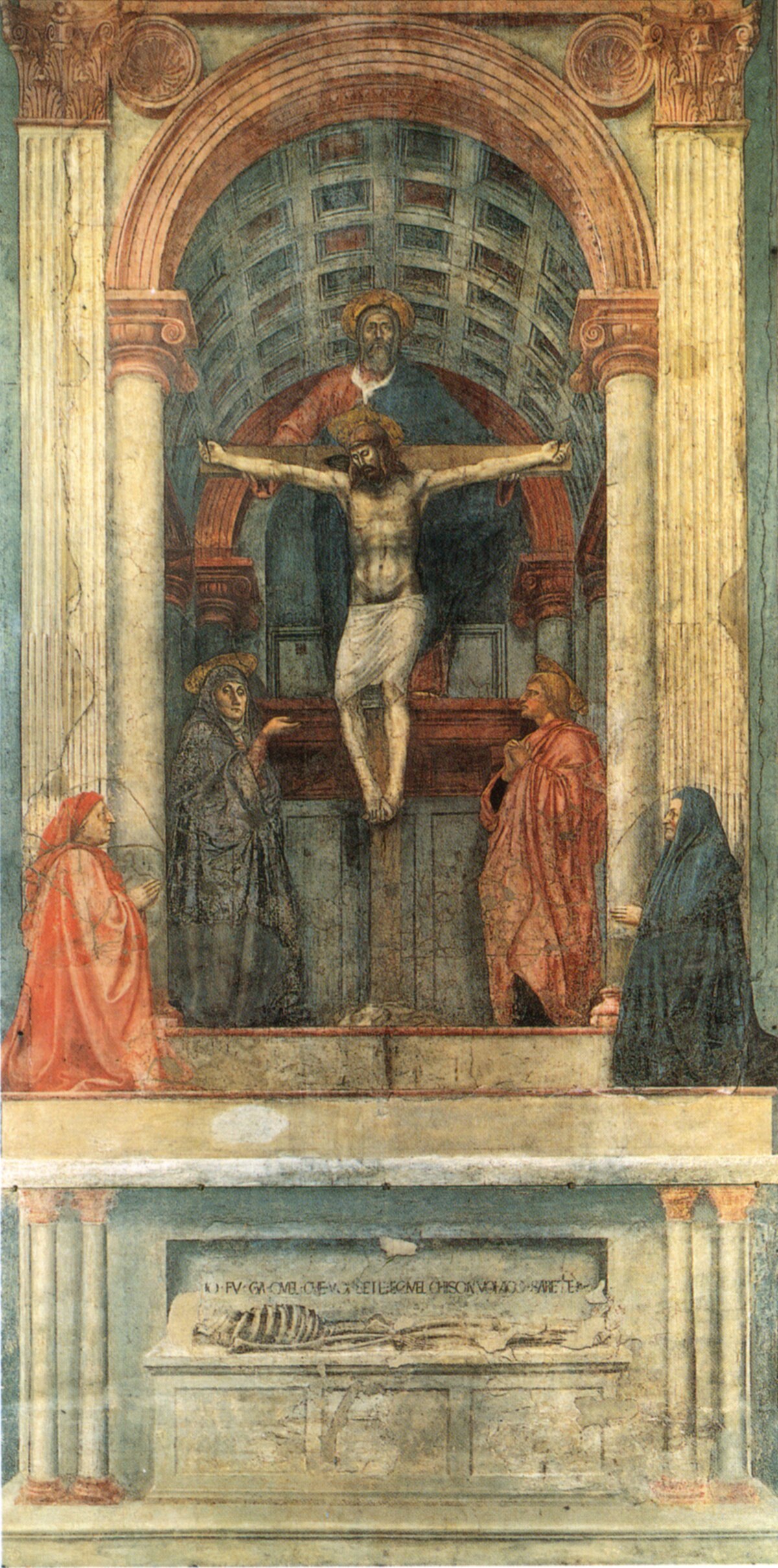
U slikarstvu, mladi Mazaco se pojavio kao najrevolucionarnija figura ranog petnaestog veka. Njegove freske u kapeli Brankaci, naslikane pre njegove prerane smrti sa samo dvadeset sest godina, uvele su gravitet, cvrstinu i emocionalnu tezinu koja je odlucno prekinula sa elegantnim ali ravnim stilom internacionalne gotike. Njegova freska The Holy Trinity u crkvi Santa Marija Novela primenila je Bruneleskijevu perspektivu sa zapanjujucom preciznoscu, stvarajuci iluziju bacastog svoda koji se povlaci u crkveni zid. Mazacove figure posedovale su trodimenzionalno prisustvo i psihiloski intenzitet koji ce uticati na svakog znacajnog firentinskog slikara narednog veka, od Fra Andjelika do Leonarda da Vincija.
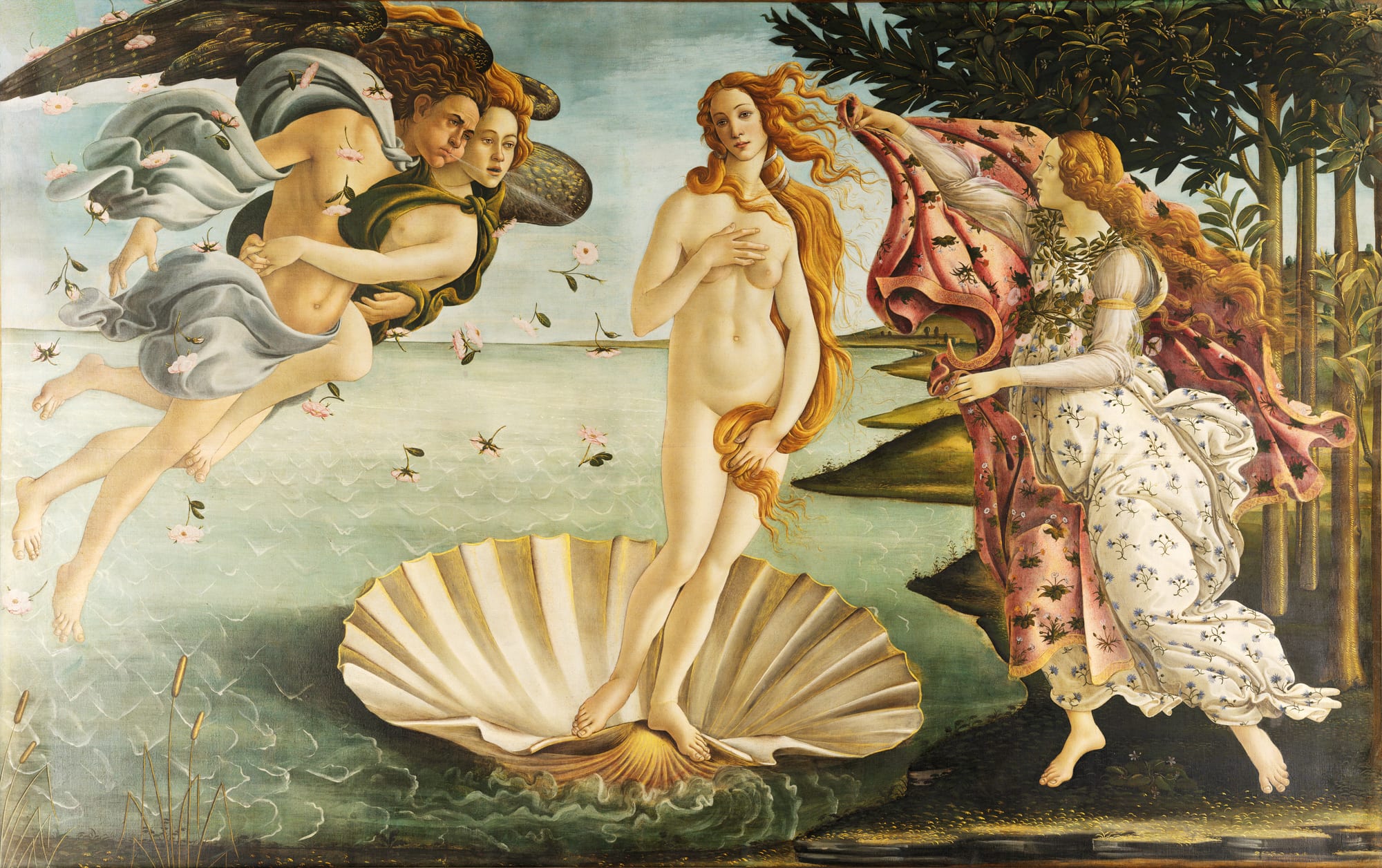
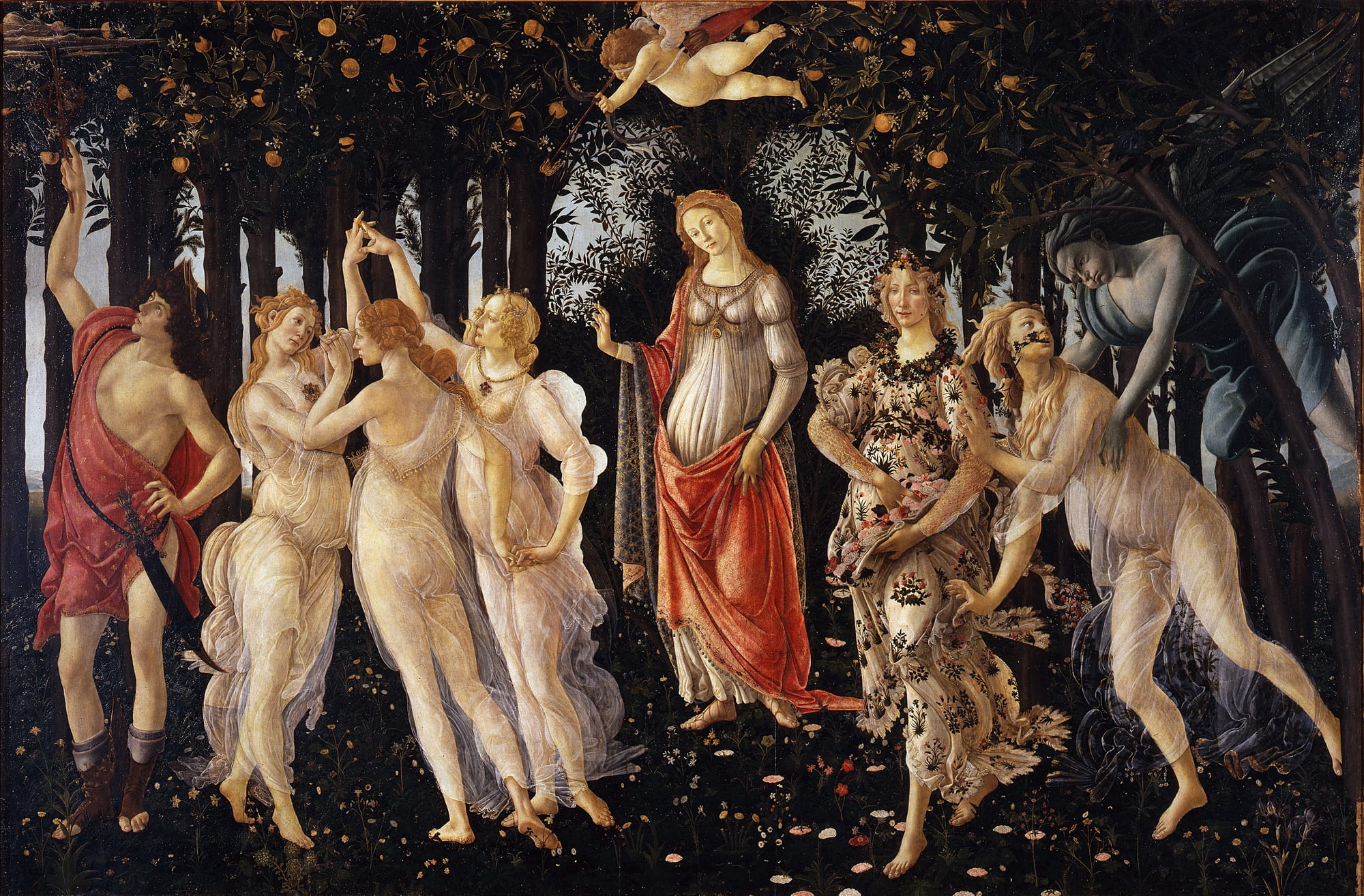
Skulptura je dozivela jednako dramaticnu transformaciju kroz rad Donatelovog, ciji je bronzani David (oko 1440-ih) bio prva slobodnostojeca gola skulptura od antike. Donatelo je doneo nevidjen emocionalni raspon svojim figurama, od mirne lepote svog mladolklog Davida do uzasavajuceg pokajanja njegovog kasnog dela Marija Magdalena. Njegove inovacije u niskom reljefu, poznate kao rilievo schiacciato, stvorile su izuzetno suptilne iluzije dubine i atmosfere u klesanom mermeru i bronzi. U medjuvremenu, Sandro Boticeli je doveo ranu renesansu do liricne kulminacije mitoloskim remek-delima poput The Birth of Venus i Primavera, dela koja su spojila ponovo otkrivenu lepotu klasicne mitologije sa prefinjenonom elegancijom dvora Medicija.
Nijedno od ovih dostignuca ne bi bilo moguce bez izvanrednog pokroviteljstva vladajucih porodica Firence, pre svih Medicija. Kozimo de Medici i kasnije njegov unuk Lorenco Velicanstveni usmerili su svoje ogromno bankarsko bogatstvo u porucdzubine za crkve, palate i javne spomenike, okruzujuci se humanistickim ucenjacima, pesnicima i umetnicima. Medici su umetnost videli i kao gradjansku duznost i kao alat politickog uticaja, pretvarajuci Firencu u nespornu kulturnu prestonicu Evrope. Njihovo pokroviteljstvo je stvorilo ekosistem u kojem su umetnici bili vrednovani ne samo kao zanatlije vec kao intelektualci, pomak u statusu koji ce doci do svog najpunijeg izraza u visokoj renesansi koja je usledila.