Istorijski kontekst
Rajska vrata predstavljaju krunsko ostvarenje karijere Lorenca Gibertija i jednu od najslavnijih narudžbina u istoriji renesansne umetnosti. Giberti je već obezbedio svoju reputaciju kroz prvi set vrata za krstionicu (severna vrata, 1403-1424), koji je osvojio kroz čuveno takmičenje iz 1401. godine protiv Filipa Bruneleskija i drugih vodećih firentinskih umetnika. Uspeh tog ranijeg projekta naveo je ceh Arte di Calimala — ceh uvoznika i prerađivača tkanina odgovornih za održavanje Krstionice San Đovanija — da naruči od Gibertija istočna vrata bez takmičenja. Rad je počeo 1425. godine i trajao dvadeset sedam godina, tokom kojih je Giberti održavao veliku radionicu koja je obučila mnoge umetnike sledeće generacije, uključujući Donatela, Mikeloca i možda Paola Učela. Vrata su postavljena 1452. godine na istočno lice Krstionice, direktno naspram katedrale, zauzimajući najprestižniju poziciju i premestivši ranija vrata Andrea Pizana iz četrnaestog veka na južni portal.
Epitet „Rajska vrata” tradicionalno se pripisuje Mikelanđelu, koji je navodno izjavio da su vrata dostojna da služe kao kapije raja, mada se ovo pripisivanje prvi put pojavljuje u Vazarijevim „Životima umetnika” (1550) i ne može se nezavisno potvrditi. Bez obzira na to da li je anegdota istorijska, ona tačno prenosi izuzetno poštovanje koje su vrata uživala od svog završetka. Program od deset velikih pravougaonih panela koji prikazuju starozavetne narative — od Stvaranja i Pada do Susreta Solomona i Kraljice od Sabe — zamenio je raniji format od dvadeset osam panela u obliku četverolista severnih vrata ekspanzivnijom, slikovnom kompozicijom koja je omogućila Gibertiju da istražuje prostornu dubinu i narativnu složenost na neviđenoj skali. Izbor i raspored scena odražava teološki program koji je osmislio humanistički kancelar Leonardo Bruni, mada je Giberti na kraju značajno odstupio od Brunijevog inicijalnog predloga.
Formalna analiza
Formalna inovacija Rajskih vrata leži u Gibertijevom revolucionarnom tretmanu slikovnog prostora unutar medijuma bronzanog reljefa. Svaki od deset panela sadrži višestruke narativne epizode objedinjene u jednom koherentnom prostornom okruženju, primenjujući sofisticiran sistem graduirane dubine reljefa — poznat kao rilievo schiacciato, ili spljošten reljef — koji je Giberti adaptirao iz inovacija svog mlađeg savremenika Donatela. Figure u prednjem planu izvedene su u visokom reljefu, približavajući se gotovo punoj trodimenzionalnosti, dok se elementi pozadine povlače kroz progresivno pliće rezbarenje sve dok najudaljenije arhitektonske i pejzažne forme jedva nisu izdignute iznad površine ravni. Ova graduirana tehnika stvara ubedljivu iluziju atmosferske perspektive isključivo skulptorskim sredstvima, bez pribegavanja bojama.
Panel koji prikazuje Priču o Josifu posebno je poučan u demonstriranju Gibertijevog prostornog majstorstva. Monumentalna kružna građevina, izvedena u preciznoj linearnoj perspektivi, utemeljuje kompoziciju dok se višestruke epizode iz Josifovog narativa odvijaju preko kontinuiranog pejzaža koji se ubedljivo povlači u dubinu. Figure pokazuju klasičnu graciju i idealizovanu lepotu koja odražava Gibertijevo duboko angažovanje sa antičkom rimskom skulpturom — bio je strastveni kolekcionar antikviteta — dok zadržavaju emocionalnu ekspresivnost ukorenjenu u gotičkoj tradiciji. Pozlata, naneta kroz radno intenzivan proces vatrenog pozlaćivanja (pozlaćivanje živinim amalgamom), pretvara bronzanu površinu u svetleće, reflektujuće polje koje dinamično komunicira sa prirodnim svetlom, stvarajući promenljive šablone sjaja i senke koji oživljavaju narativne scene. Okolni okvir, nastanjen malim portretnim poprsjaima, statuetama proroka i sibila, i naturalističkim cvetnim ornamentom, predstavlja delo izuzetne zanatske veštine samo po sebi, čiji klasični vokabular profila u obliku jajeta i strelice i akantusovih spirala signalizira humanističke kulturne vrednosti koje su informisale narudžbinu.
Recepcija i nasleđe
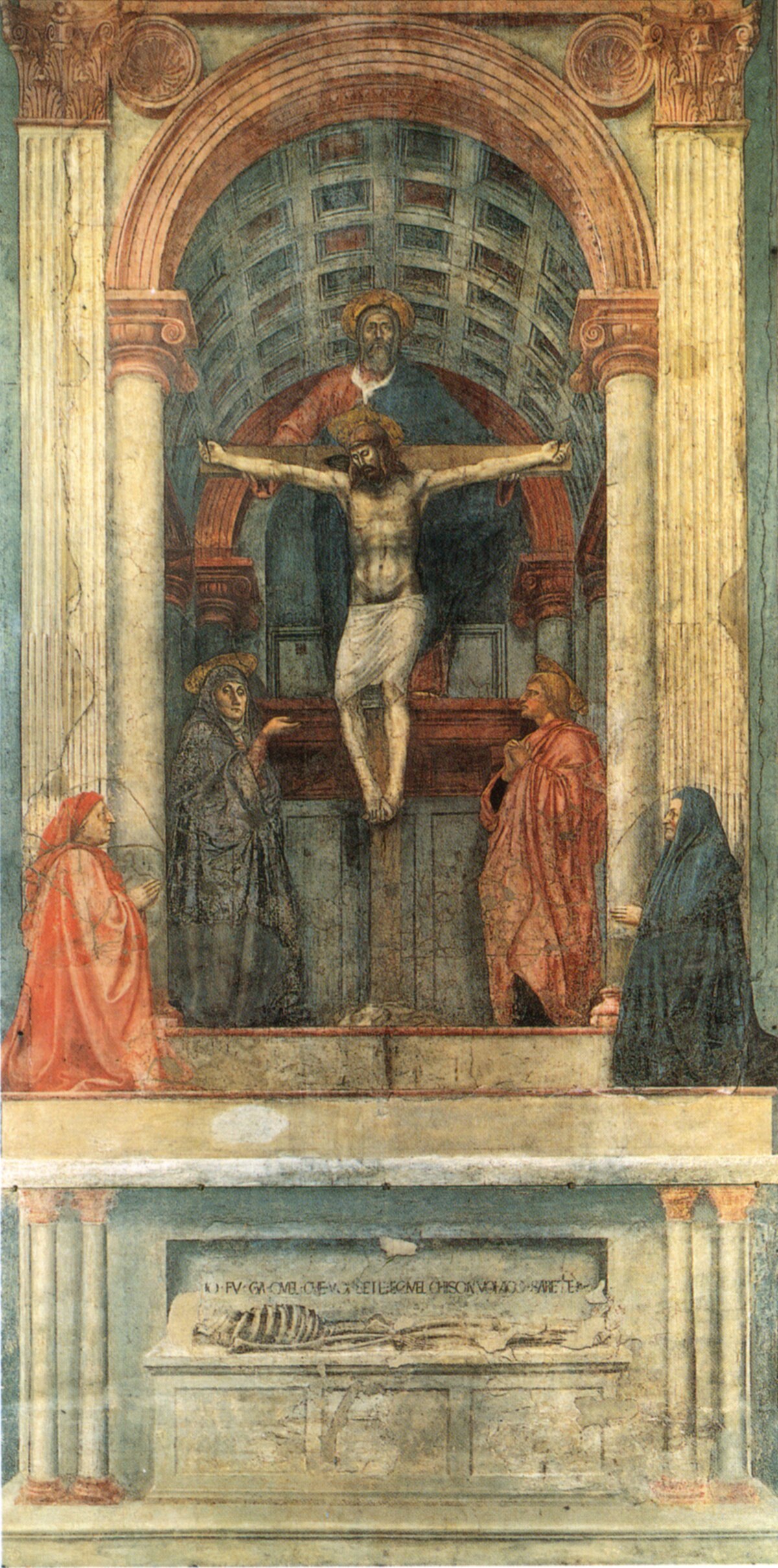
Rajska vrata zauzimaju temeljnu poziciju u istoriografiji renesansne umetnosti, često citirani kao ključno prelazno delo između kasne gotike i potpuno razvijenog renesansnog stila. Gibertijeva sinteza klasične forme, matematičke perspektive i naturalističkog posmatranja unutar zahtevnog medijuma monumentalnog bronzanog reljefa predstavlja umetničko i tehničko dostignuće koje su njegovi savremenici prepoznali kao epohalnim i koje nikada nije prestalo da izaziva divljenje. Vrata su centralna za naučno razumevanje razvoja slikovnog prostora u Firenci petnaestog veka, stojeći uz Bruneleskijeve demonstracije perspektive, Mazačove freske u Kapeli Brankači i Albertijev traktat „De Pictura” kao ključni spomenici u intelektualnoj revoluciji koja je transformisala evropsku vizuelnu reprezentaciju.
Vrata su ostala na istočnom portalu Krstionice više od pet vekova, trpeći izloženost firentinskom vremenu, katastrofalnu poplavu Arna 1966. godine — koja je oštetila nekoliko panela i odlepila pozlatu — i atmosfersko zagađenje. Njihovo uklanjanje radi konzervacije 1990. godine i naknadna dvadeset dvogodišnja restauratorska kampanja, završena 2012. godine, predstavljali su jedan od najsloženijih i tehnički najzahtevnijih konzervatorskih projekata u istoriji umetnosti. Restaurirani originali sada su izloženi u namenski izgrađenoj galeriji u Museo dell’Opera del Duomo, gde kontrolisani uslovi okruženja obezbeđuju njihovo dugoročno očuvanje, dok verne bronzane kopije zauzimaju njihovo mesto na Krstionici. Gibertijevi sopstveni obimni spisi o vratima, sadržani u njegovim „Komentarima” — jednom od najranijih autobiografskih tekstova jednog evropskog umetnika — pružaju neprocenjiv uvid u njegove radne metode, estetske principe i samopoimanje kao umetnika, čineći Rajska vrata ne samo skulptorskim remek-delom, već i jedinstveno dobro dokumentovanom studijom slučaja renesansne umetničke prakse i teorije.