Istorijski kontekst
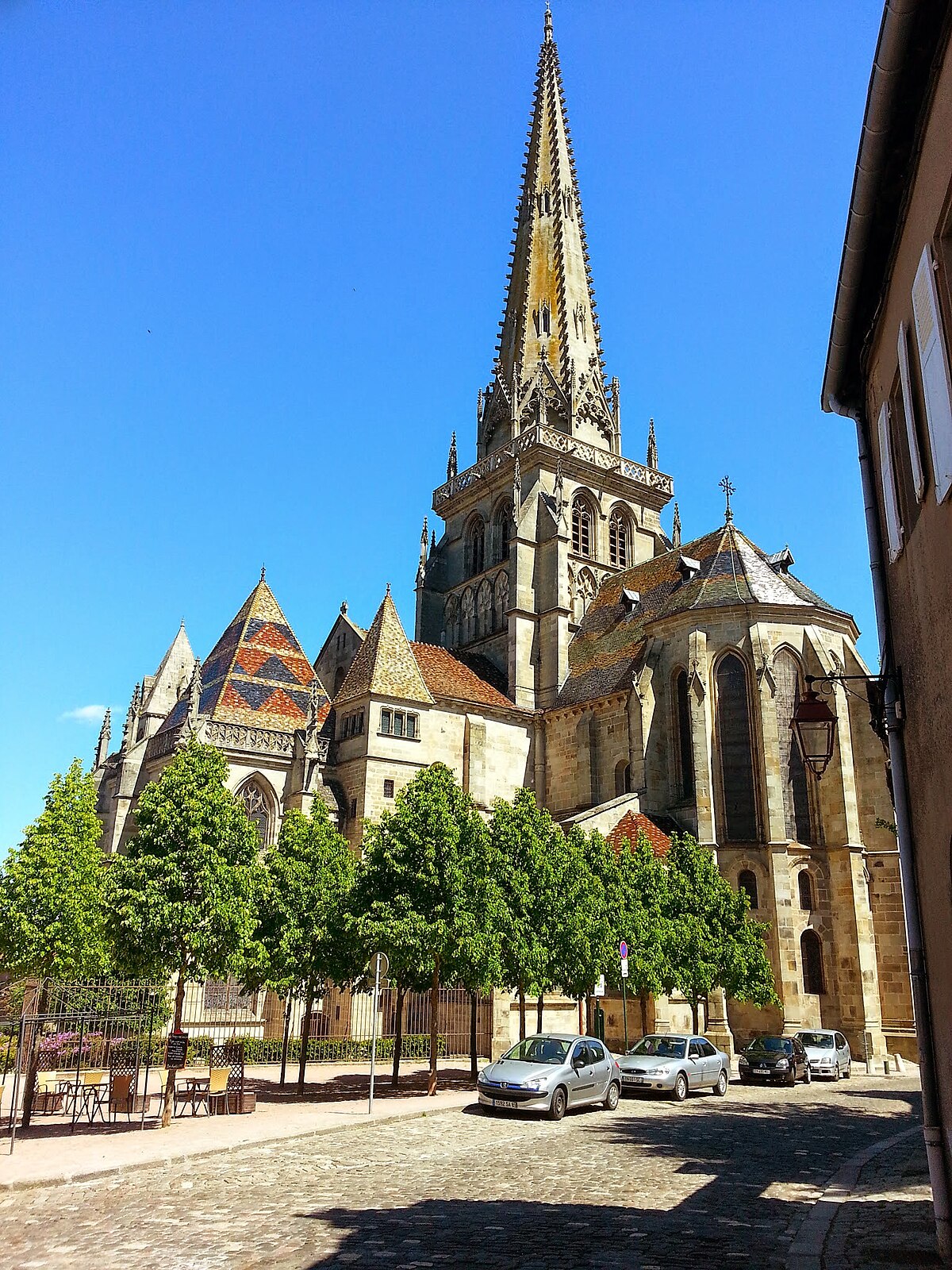
Timpanon Poslednjeg suda na katedrali Sen-Lazar u Otenu isklesan je oko 1130. godine, tokom perioda izuzetne vitalnosti romaničke skulpture u Burgundiji. Katedrala, započeta oko 1120. pod biskupom Etienom de Bažom da ugosti relikvije Svetog Lazara, zamišljena je i kao hodočasničko odredište i kao spomenik prestiža otenske dijeceze. Timpanon je izveo vajar koji je potpisao svoj rad latinskim natpisom „GISLEBERTUS HOC FECIT” — „Gizlebertus je ovo napravio” — izjava autorskog identiteta koja je praktično bez presedana u romaničkom periodu, kada je ogromna većina skulpturalnih programa nastajala anonimno unutar manastirskih ili katedralnih radioničkih tradicija. Istaknutost ovog potpisa, uklesanog direktno ispod stopala Hrista u slavi, generisala je opsežnu naučnu debatu o tome da li identifikuje individualnog majstora vajara, šefa radionice ili čak možda mecenu, mada konsenzualni stav pripisuje ga glavnom klesaru odgovornom za timpanon i veliki deo opsežnog skulpturalnog programa katedrale.
Ikonografski program timpanona oslanja se na ustanovljene kompozicije Poslednjeg suda iz karolinške i otonske iluminacije rukopisa, ali Gizlebertus je transformisao ove izvore u delo zapanjujuće originalnosti i emocionalne snage. Burgundski kontekst je ključan za razumevanje karaktera skulpture: velika opatija Klini, najmoćnija manastirska institucija u zapadnom hrišćanstvu i centar liturgijske i umetničke inovacije, ležala je samo stotinak kilometara južno, i njen uticaj je prožimao umetničku kulturu regije. Razrađeni skulpturalni programi u Vezeleu i Moasaku, nastali u istoj generaciji, svedoče o širem romaničkom ulaganju u monumentalnu portalnu skulpturu kao medij teološke instrukcije i duhovnog podsticaja i za pismeno sveštenstvo i za nepismene laike.
Formalna analiza
Timpanon je organizovan oko kolosalne, strogo frontalne figure Hrista u slavi, koji sedi unutar mandorle i zauzima punu visinu centralnog polja. Hristovo izduženo telo, zaravnjeno i simetrično, poštuje romaničku konvenciju hijteratičke apstrakcije, ali lice poseduje spokojnu distanciranost koja snažno kontrastira sa frenetičnom aktivnošću okolnih figura. Kompozicija je podeljena na registre i zone koji odgovaraju teologiji Poslednjeg suda: Hristu sa desne strane (posmatračeve leve), blagosloveni se uspinjiu ka nebu, pomognuti anđelima, dok sa njegove leve strane, prokleti bivaju zgrabljeni od grotesknih demona i vučeni ka razjapljenim čeljustima pakla. Centralna osa je dodatno naglašena Arhanđelom Mihailom i đavolom, koji mere duše na vagi direktno ispod Hrista — motiv preuzet iz egipatske tradicije psihostasije koji je ušao u hrišćansku ikonografiju kroz ranomedijevalne posrednike.
Figuralni stil Gizlebertusa karakteriše izuzetna ekspresivna distorzija koja služi i formalnim i emotivnim svrhama. Tela su izdužena, udovi razvučeni i uvijeni, draperija prikazana u oštrim, linearnim naborima koji stvaraju uznemirene površinske obrasce. Figure prokletih su posebno izuzetne: džinovske ruke hvataju sićušnu, prestravljenu dušu za glavu u jednoj od najvisceralnijh stravičnih slika u čitavoj srednjovekovnoj umetnosti. Blagosloveni su, nasuprot tome, prikazani sa mirnom, uređenom vertikalnošću koja vizuelno pojačava njihovo duhovno stanje. Kroz čitavu kompoziciju, Gizlebertus demonstrira sofisticirano razumevanje reljefnog klesanja, modulirajući dubinu od gotovo slobodnostojeće projekcije u centralnim figurama do plitkog urezivanja u zonama pozadine, stvarajući složeno prostorno slojevanje unutar polukružnog polja. Arhitrav ispod glavnog polja islesan je figurama vaskrslih mrtvih koji izlaze iz svojih grobova, a njihovi raznoliki stavovi i izrazi — nada, strah, zbunjenost — ispoljavaju psihološki raspon koji je izuzetan u romaničkoj skulpturi.
Značaj i nasleđe
Timpanon u Otenu široko je priznat kao jedno od vrhunskih dostignuća romaničke monumentalne skulpture, delo koje demonstrira kapacitet srednjovekovnog klesarstva da prenese složene teološke narative sa intelektualnom strogošću i dubokim emocionalnim uticajem. Gizlebertusov potpis učinio ga je jednim od veoma retkih imenovanih umetnika romaničke ere, a njegova identifikacija omogućila je istoričarima umetnosti da pripišu značajan korpus dela u Otenu jednoj umetničkoj ličnosti, uključujući izuzetnu seriju kapitela u brodu sa scenama iz Postanja, života Hristovog i legendi o svecima. Ova atribucija podstakla je važne debate o prirodi individualne umetničke agencije u srednjem veku i stepenu u kome se romanička skulptura može razumeti kroz prizmu autorstva koja se češće primenjuje na kasnija razdoblja.
Opstanak timpanona je sam po sebi izuzetna priča gubitka i ponovnog otkrivanja. Godine 1766, tokom kampanje kanonske modernizacije, katedralno veće naložilo je da timpanon bude prekrečen a glava Hrista uklonjena, odražavajući prosvetiteljsko preziranje srednjovekovne umetnosti. Premaz kreča, iako čin estetskog vandalizma, paradoksalno je sačuvao skulpturu od destruktivnijih pustošenja Francuske revolucije, i kada je kreč uklonjen 1837, timpanon se pojavio u izuzetno dobrom stanju konzervacije. Glava Hrista, otkrivena u jednoj lokalnoj kolekciji 1948, ponovo je pričvršćena šezdesetih godina, vraćajući kompoziciju nečemu što se približava njenom originalnom stanju. Danas, timpanon u Otenu služi kao kamen temeljac proučavanja romaničke umetnosti i moćno svedočanstvo o vitalnosti srednjovekovne umetničke kulture. Njegov uticaj može se pratiti kroz kasnijske gotičke portalne programe u Šartru, Parizu i Buržu, koji su razrađivali ikonografiju Poslednjeg suda koju je Gizlebertus prikazao sa tako nezaboravnim intenzitetom.