Istorijski kontekst
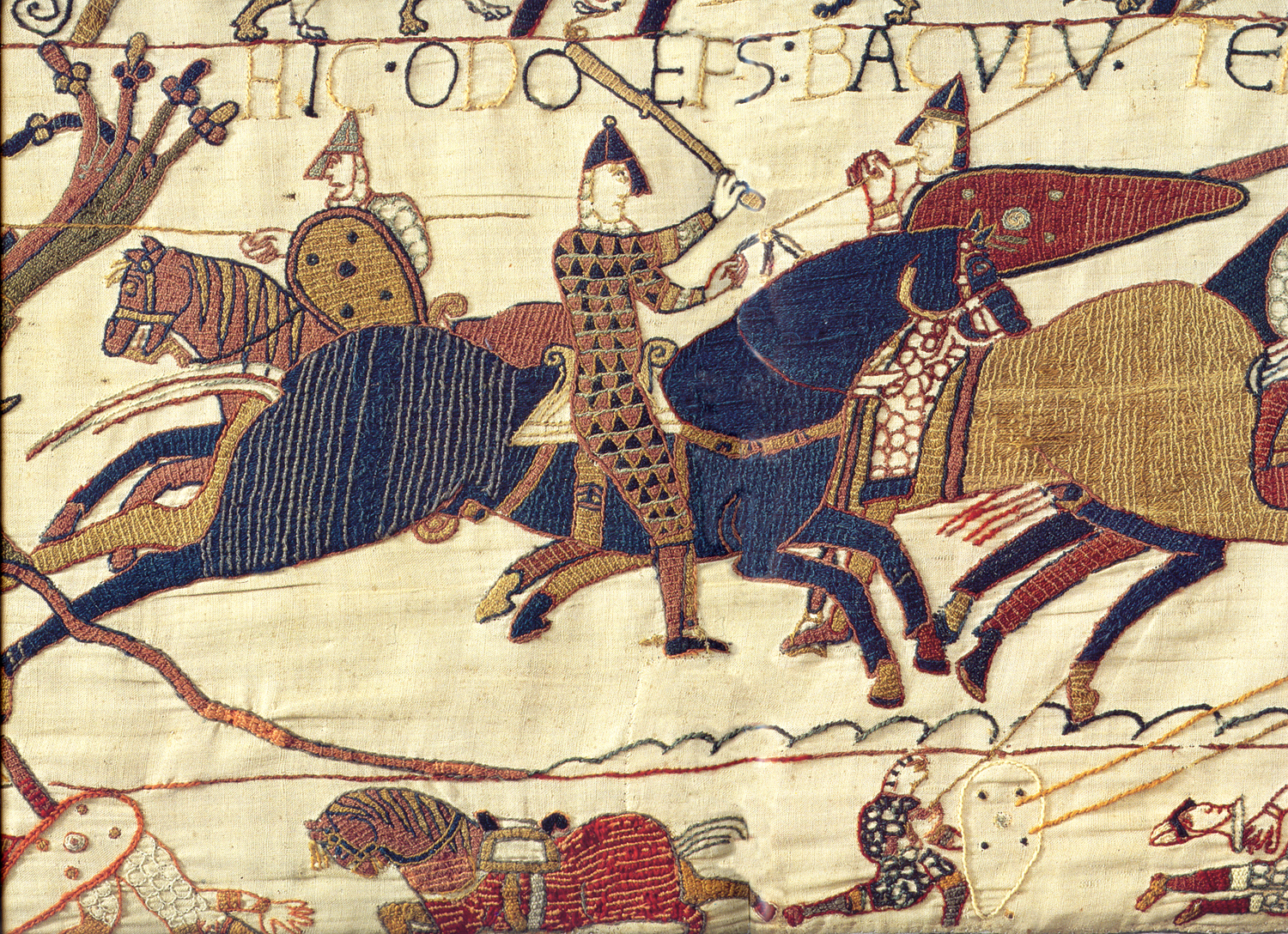
Tapiserija iz Bajea — tehnički uopšte nije tapiserija već vezena lanena tkanina — jedno je od najizuzetnijih narativnih umetničkih dela koje je preživelo iz srednjeg veka, sedamdesetometarska panorama koja pripoveda događaje koji su doveli do i kulminirali u normanskom osvajanju Engleske 1066. godine. Delo se generalno datira u sedamdesete godine jedanaestog veka i pripisuje pokroviteljstvu biskupa Odoa od Bajea, polubrata Viljema Osvajača, koji se istaknuto pojavljuje u nekoliko scena i čija je katedrala u Bajeu verovatno služila kao originalno mesto izlaganja. Iako je Odo bio normanski sveštenik, stil tapiserije — njene figuralne konvencije, njen dekorativni vokabular i tehnička izvedba — konzistentan je sa anglosaksonskim tradicijama veza, posebno onim povezanim sa čuvenim radionicama u Kenterberiju i Vinčesteru. Paradoks normanskog dela naručenog od engleskih ruku naveo je neke naučnike da u tapiseriji vide složeno pregovaranje između osvajača i osvojenih, vizuelni narativ čije prividno slavlje normanskog trijumfa može sadržavati suptilnije simpatije i dvosmislenosti.
Narativ se odvija u neprekidnoj horizontalnoj traci, čita se s leva na desno kao svitak ili, kako su mnogi komentatori primetili, kao proto-filmska sekvenca. Priča počinje sa Edvardom Ispovednikom koji šalje Harolda Godvinsona u misiju u Normandiju (tačna svrha koje je sporna), nastavlja se kroz Haroldovu zakletvu Viljemu (čiji sadržaj i okolnosti predstavljaju kamen spoticanja političkog spora), i nastavlja kroz Edvardovu smrt, Haroldovo krunisanje, pojavu zlokobne komete (Halejeve komete, čija je pojava 1066. ovde dobila svoj najraniji poznati prikaz), Viljelove pripreme invazione flote, prelazak kanala i odlučujuću bitku kod Hejstingsa 14. oktobra 1066. Narativ je praćen latinskim natpisima u jednostavnom, deklarativnom stilu koji identifikuju scene i likove ali retko tumače događaje, ostavljajući vizuelnoj ikonografiji da ponese teret značenja — podela rada između teksta i slike koja tapiseriji daje njen karakteristični kvalitet neposrednosti očevica.
Formalna analiza
Vizuelni jezik tapiserije je istovremeno šematski i izuzetno živopisan. Figure su prikazane u ravnom, linearnom stilu karakterističnom za romaničku umetnost — tela su definisana konturom a ne modelovanjem, lica su svedena na suštinske crte (velike oči, istaknut nos, minimalna individualizacija), a prostorna dubina je naznačena jednostavnim preklapanjem umesto perspektivom. Ipak, unutar ovih konvencija, veziljke postižu izuzetnu deskriptivnu specifičnost. Scene brodogradnje prikazuju sa dokumentarnom preciznošću konstrukciju klinkerom građenih dugih brodova — seču drveća, oblikovanje dasaka, podizanje jarbola. Konjički juriševi kod Hejstingsa prikazuju individualne borbene tehnike: vitezovi koji koplja podmeću pod ruku (taktička inovacija u nastajanju), mačem mašu sa konja i bacaju koplja na stariji način. Oklop, oružje, frizure i odeća prikazani su sa takvom vernošću da tapiserija služi kao primarni izvor za materijalnu kulturu severne Evrope jedanaestog veka, koji konsultuju istoričari, arheolozi i vojni naučnici jednako koliko i istoričari umetnosti.
Ikonografija i simbolika
Prikaz Halejeve komete (Scena 32) jedan je od najslavnijih delova tapiserije. Kometa blista preko gornje bordure kao zvezda sa vijugavim repom, dok ispod grupa zapanjenih figura pokazuje na gore a Harold nelagodno sedi na svom novoprisvojenom prestolu. Natpis jednostavno glasi „ISTI MIRANT STELLAM” (Ovi ljudi se čude zvezdi), ali kompozicioni aranžman — kometa direktno iznad osuđenog Harolda, uzburkana gomila, sablasna flota brodova koja se pojavljuje u donjoj borduri kao nagovještaj predstojeće invazije — transformiše nebeski događaj u moralno i političko znamenje. Pojava komete 1066. zabeležena je od strane hroničara širom Evrope i Azije, ali nigde nije dobila tako dramatičan vizuelni tretman. Ova scena ilustruje sofisticiranu narativnu tehniku tapiserije: njenu sposobnost da u slojevima predstavi istorijski događaj, simboličko značenje i dramatsko nagoveštavanje unutar varljivo jednostavnog vizuelnog formata.
Bordure koje se prostiru iznad i ispod glavne narativne trake čine paralelni vizuelni diskurs čiji odnos prema centralnoj priči spada među najdebatovanije karakteristike tapiserije. Ove marginalne zone sadrže raznovrstan repertoar ikonografije: parove konfrontiranih životinja (lavovi, grifoni, ptice), scene iz Ezopovih basni (lisica i gavran, vuk i jagnje), poljoprivredne vinjete (oranje, sejanje) i — najupečatljivije — nagе ljudske figure u raznim pozama, neke eksplicitno erotske. Scene iz basni tumačene su kao moralni komentari na glavni narativ — priča o lisici i gavranu, na primer, mogla bi biti komentar na Haroldovu lakoverenost u poveravanju Viljemu — dok erotske figure mogu upućivati na seksualno nemoralno ponašanje koje se ponekad pripisivalo Haroldu u normanskoj propagandi. Tokom bitke kod Hejstingsa, donja bordura se puni palim vojnicima i raskomadanim telima, marginalni prostor postaje produžetak bojnog polja iznad. Ova igra između centra i margine, između zvaničnog narativa i subverzivnog komentara, daje tapiseriji polifoničan kvalitet redak u srednjovekovnoj umetnosti.
Pitanje perspektive — da li tapiserija predstavlja nedvosmisleno normanski ili ambivalentnije anglosaksonski ugao gledanja — generisalo je trajnu naučnu debatu. Celokupna narativna struktura jasno podržava normansku pretenziju: Harold je prikazan kako polaže svečanu zakletvu Viljemu (prikazanu na svetim relikvijama), a njegovo naknadno krunisanje implicitno je predstavljeno kao kršenje te zakletve, opravdavajući Viljelov napad kao pravednu restituciju. Ipak, brojni detalji komplikuju ovo tumačenje. Harold je prikazan sa simpatijom u nekoliko scena — spasava normanske vojnike iz žovog peska, hrabro se bori kod Hejstingsa. Smrt Harolda, tradicionalno identifikovanog kao figuru koja drži strelu u oku (iako je ova identifikacija osporavana), prikazana je sa patosom koji se čini teškim za pomirenje sa trijumfalističkom propagandom. Neki naučnici tvrdili su da su anglosaksonske veziljke, radeći pod normanskim nadzorom, kodifikovale kontra-narativ engleske hrabrosti i normanske brutalnosti unutar odobrenog okvira — oblik umetničkog otpora koji deluje na nivou detalja i nijanse, a ne eksplicitnog neslaganja.
Fizički opstanak tapiserije je sam po sebi priča izuzetne slučajnosti. Izgleda da je bila izlagana godišnje u katedrali u Bajeu tokom praznika relikvija i inače čuvana u katedralnoj riznici. Preživela je previranja Stogodišnjeg rata, Verskih ratova i Francuske revolucije — tokom koje je navodno korišćena kao pokrivač za kola pre nego što ju je spasao lokalni zvaničnik. Napoleon ju je izložio u Parizu 1803-1804. kao propagandu za planirani napad na Englesku, povlačeći eksplicitnu paralelu između Viljelovog prelaska kanala i vlastite projektovane kampanje. Tokom Drugog svetskog rata, tapiseriju je zaplenio SS Ahnenerbe, Himlerova pseudoarheološka organizacija, koja je nastojala da je prisvoji kao spomenik germanskog rasnog nasleđa; gotovo je transportovana u Berlin ali su je zarobili pripadnici francuskog pokreta otpora 1944. dok su Saveznici napredovali ka Parizu. Ova sukcesivna prisvajanja i gotovo uništenja naglašavaju jedinstveni status tapiserije: ona je istovremeno umetničko delo, istorijski dokument, politički instrument i kulturni simbol čije se značenje neprestano pregovaralo tokom gotovo hiljadu godina.
Recepcija i nasleđe
Tapiserija iz Bajea zauzima anomalan položaj u istoriji umetnosti — nema pravih prethodnika niti direktnih naslednika u medijumu monumentalnog narativnog veza. Njene najbliže paralele ne leže u tekstilnim umetnostima već u tradicijama kontinuiranog narativa rimskog istorijskog reljefa (Trajanov stub, Stub Marka Aurelija) i, udaljenije, u sekvencijalnim slikovnim narativima iluminacije rukopisa i kasnije štampanih broadšitova i stripova. Zaista, poređenje sa stripovima i grafičkim romanima postalo je kritički opšte mesto, i tapiserija se često navodi kao proto-filmsko delo, čiji horizontalni format, sekvencijalni tempo i mešavina teksta i slike anticipiraju tehnike koje bi bile sistematski razvijene tek u devetnaestom i dvadesetom veku. Kao istorijski izvor, pruža nezamenjive dokaze za događaje 1066. i materijalnu kulturu jedanaestog veka; kao umetničko delo, demonstrira kapacitet veza — medija tradicionalno klasifikovanog kao „minor” ili „dekorativan” — da postigne narativnu složenost, emocionalnu dubinu i vizuelnu sofisticiranost ravnu svakom savremenom delu u boji, kamenu ili metalu.