Istorijski kontekst
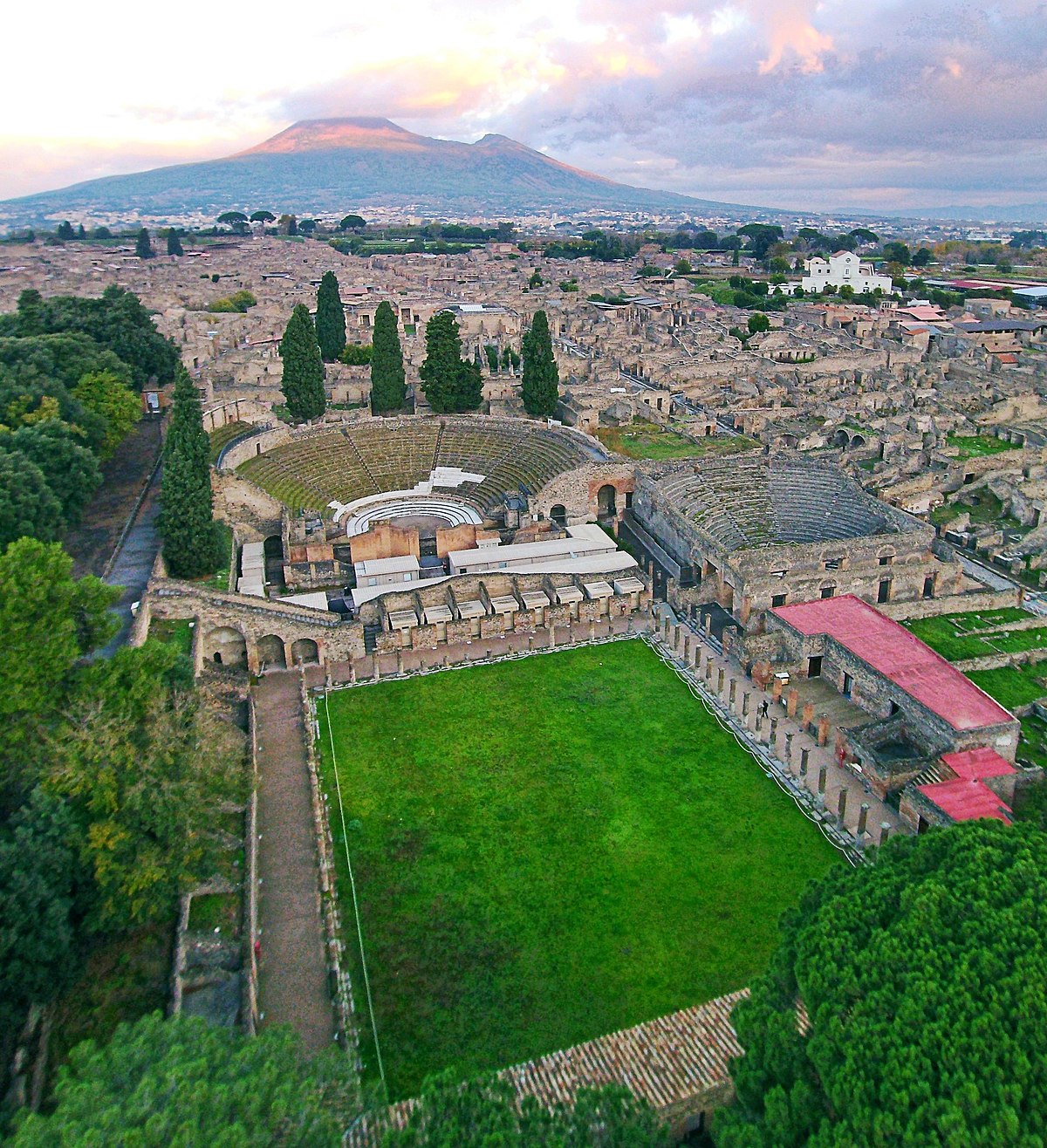
Freske Vile misterija, smeštene nedaleko od Herkulanskih vrata drevne Pompeje, predstavljaju jedno od najizvanrednijih preživelih dela antičkog slikarstva i izazvale su više naučne debate od možda bilo kog drugog pojedinačnog ciklusa rimske zidne dekoracije. Vila misterija (Villa dei Misteri) bila je velika suburbana vila rustika koja je kombinovala rezidencijalni luksuz sa praktičnim funkcijama radnog poljoprivrednog imanja, uključujući presu za vino (torcularum) pronađenu u njenim servisnim prostorijama. Vila je prvobitno izgrađena u trećem veku pre nove ere i prošla je značajne renovacije tokom prvog veka pre nove ere, period kome se veliki figuralni friz u Sobi 5 (takozvana Dvorana misterija) pripisuje na osnovu stilske analize i arheološkog datiranja slojeva zidne malterske podloge. Erupcija Vezuva 24. avgusta 79. godine nove ere zatrpala je vilu pod nekoliko metara vulkanskog pepela i plovućca, čuvajući slike u uslovima izvanredne svežine sve do njihovog iskopavanja od strane Amadea Majurija 1909-1910, jednog od prelomnih otkrića u istoriji klasične arheologije.
Friz zauzima tri zida velike prostorije (približno 5 sa 7 metara) u rezidencijalnom delu vile i prikazuje dvadeset devet figura u prirodnoj veličini ili blizu prirodne veličine raspoređenih u kontinuiranoj naraciji koja se razvija na pozadini duboke cinabar-crvene boje, zasićenog vermilionskog tona koji je postao sinonim za pompejsko slikarstvo. Program spada u ono što je August Mau klasifikovao kao Drugi stil rimskog zidnog slikarstva (oko 80-20. pre n.e.), koji karakteriše iluzionistički prikaz arhitektonskih elemenata koji izgledaju kao da proširuju fizički prostor sobe u fiktivnu dubinu. Međutim, friz Vile misterija je neobičan unutar kanona Drugog stila po svom naglasku na monumentalnim figurama umesto arhitektonskog trompe l’oeil-a, a njegovi najbliži analogi su megalografske (velikofiguralne) tradicije helenističkog grčkog slikarstva, poznate prvenstveno kroz književne opise i retke preživele primere poput oslikanih makedonskih fasada grobnica u Vergini. Patron koji je naručio friz — moguće vlasnica vile, koju neki naučnici identifikuju kao oslobođenicu Istakidiju — očigledno je želeo dekorativni program izuzetne ambicije i kulturne sofisticiranosti, koji je transformisao trpezariju ili prijemnu sobu u pozornicu za izvođenje svete drame.
Formalna analiza
Figuralna kompozicija je raspoređena kao kontinuirani friz koji obavija tri zida prostorije, organizovan ne u horizontalnim registrima tipičnim za narativnu reljefnu skulpturu, već kao jedna linija tla naseljena figurama koje interaguju preko uglova prostorije, stvarajući panoramsko vizuelno iskustvo u kome je posmatrač, stojeći u centru prostora, okružen i zatvoren u naslikanom svetu. Figure su prikazane sa vladanjem naturalističkom anatomijom, volumetrijskim modelovanjem i emocionalnim izrazom koji svedoči o visokom dostignuću helenističko-rimske slikarske tradicije. Tela su modelovana suptilnim gradacijama svetla i senke (kijaroskuro) koje stvaraju ubedljivu iluziju trodimenzionalne forme na ravnoj površini zida, draperije padaju u složenim, naturalističkim naborima koji otkrivaju anatomiju ispod, a lica prikazuju raspon emocija — užas, ekstazu, kontemplaciju, nežnost — koji uzdiže friz iznad pukog dekorativnog slikarstva u oblast dramatične naracije. Paleta, u kojoj dominira čuvena pompejska crvena (mešavina cinabara i gvožđe oksida naneta tehnikom buon fresko dok je malter još bio vlažan), obogaćena je dubokim zelenilom, zlatnim žutim, ljubičasto-purpurnim i toplim tonovima puti, proizvodeći hromatski intenzitet koji ostaje upečatljiv čak i nakon dva milenijuma.
Tumačenje tematike friza podelilo je naučnike od njegovog otkrića. Najšire prihvaćeno čitanje, koje je izneo Majuri i razradili kasniji naučnici uključujući Žila Sorona i Betinu Bergman, identifikuje scenu kao prikaz inicijacije u Dionizijske misterije, tajnoviti religiozni kult posvećen bogu Dionisu (Bahu) koji je obećavao svojim inicijatima duhovnu transformaciju, oslobođenje od smrtnih ograničenja i blagosloven zagrobni život. Čitajući s leva nadesno, naracija se generalno razume kao prikaz mlade žene (inicijatkinje ili mistes) koja napreduje kroz faze rituala: čitanje svetih tekstova, otkrivanje liknona (korpe za vijanje koja sadrži falus, simbol dionizijske plodnosti), bičevanje inicijatkinje od strane krilate ženske figure (ponekad identifikovane kao dajmon ili kao personifikacija Telete, duha inicijacije), i konačno oblačenje i kićenje neveste-inicijatkinje. Centralno mesto u kompoziciji zauzima sedećeg Dionisa, prikazanog kako leži u krilu ženske figure (Arijadne ili Semele), okružen Silenom, satirima, menadama i drugim pripadnicima bogovog tijasa (pratnje). Da li friz prikazuje stvarni ritual praktikovan u vili ili mitološku naraciju predstavljenu u alegorijskoj formi ostaje nerešeno, i ta interpretativna otvorenost osigurala je trajnu fascinaciju slikom.
Recepcija i nasleđe
Freske Vile misterija zauzimaju poziciju izuzetnog značaja u proučavanju antičkog slikarstva, jer predstavljaju jedan od malobrojnih preživelih primera velikoformatnog grčko-rimskog figuralnog slikarstva, žanra koji antički literarni izvori (Plinije Stariji, Pausanija, Lukijan) opisuju kao najuzvišeniju i tehnički najsavršeniju od svih vizuelnih umetnosti, nadmašujući čak i skulpturu u poštovanju poznavalaca. Gotovo potpuni gubitak grčkog tablastog slikarstva — remek-dela Zeuksisa, Apela, Parazija i njihovih savremenika, slavljenih u antici kao vrhunska dostignuća slikarske umetnosti — znači da pompejske zidne slike, uključujući friz Vile misterija, pružaju najbliže dostupno približavanje helenističkoj slikarskoj tradiciji koja je oblikovala rimski ukus. Tehničko majstorstvo evidentno u tretmanu anatomije, draperije, prostorne dubine i emocionalnog izraza friza potvrđuje da su rimski slikari (od kojih su mnogi možda bili Grci ili obučeni od Grka) radili unutar sofisticirane tradicije iluzionističke predstave koja neće biti dostignuta u zapadnoj umetnosti sve do italijanske renesanse, više od petnaest stotina godina kasnije.
Očuvanje pompejskih fresaka, paradoksalno osigurano katastrofom koja je uništila grad, imalo je dubok i dalekosežan uticaj na zapadnu vizuelnu kulturu od početka sistematskih iskopavanja sredinom osamnaestog veka. Ponovno otkriće pompejskog slikarstva, zajedno sa nalazima iz Herkulanuma, Stabija i Oplontisa, direktno je inspirisalo neoklasični pokret u evropskoj umetnosti i dizajnu, utičući na umetnike od Antona Rafaela Mengsa i Žaka-Luja Davida do dekorativnih programa Roberta Adama i Džozaje Vedžvuda. Karakteristična pompejska crvena postala je jedna od najmodernijih boja kasnog osamnaestog i ranog devetnaestog veka, pojavljujući se u unutrašnjem uređenju, tekstilu i keramici širom Evrope. Šire posmatrano, friz Vile misterija nastavlja da služi kao primarni dokument za proučavanje antičke religije, roda, seksualnosti i odnosa između umetnosti i rituala u rimskom svetu, njegova enigmatska ikonografija odoleva definitivnom tumačenju dok neprestano provocira nova čitanja koja odražavaju promenljive preokupacije moderne nauke.