Dok su italijanski umetnici tezili idealizovanoj lepoti klasicne antike, njihovi kolege u Holandiji, Nemackoj i Francuskoj kovali su paralelnu renesansu ukorenjenu u fundamentalno drugacijoj umetnickoj viziji. Severnoevropski slikari bili su manje zainteresovani za geometriju idealnih formi nego za pedantno posmatranje vidljivog sveta u svoj njegovoj raznolikosti i detalju. Dok bi italijanski majstor konstruisao figuru iz razumevanja osnove anatomije i matematicke proporcije, flamanski slikar bi izgradio povrsinu od preciznog prikazivanja svake niti u komadu tkanine, svakog odraza na uglacaanoj metalnoj povrsini, svakog latice na cvetu u vazi na prozoru. Ova posvecenost empirijskom posmatranju proizvela je neke od vizuelno najzadivljujucih slika u istoriji umetnosti.
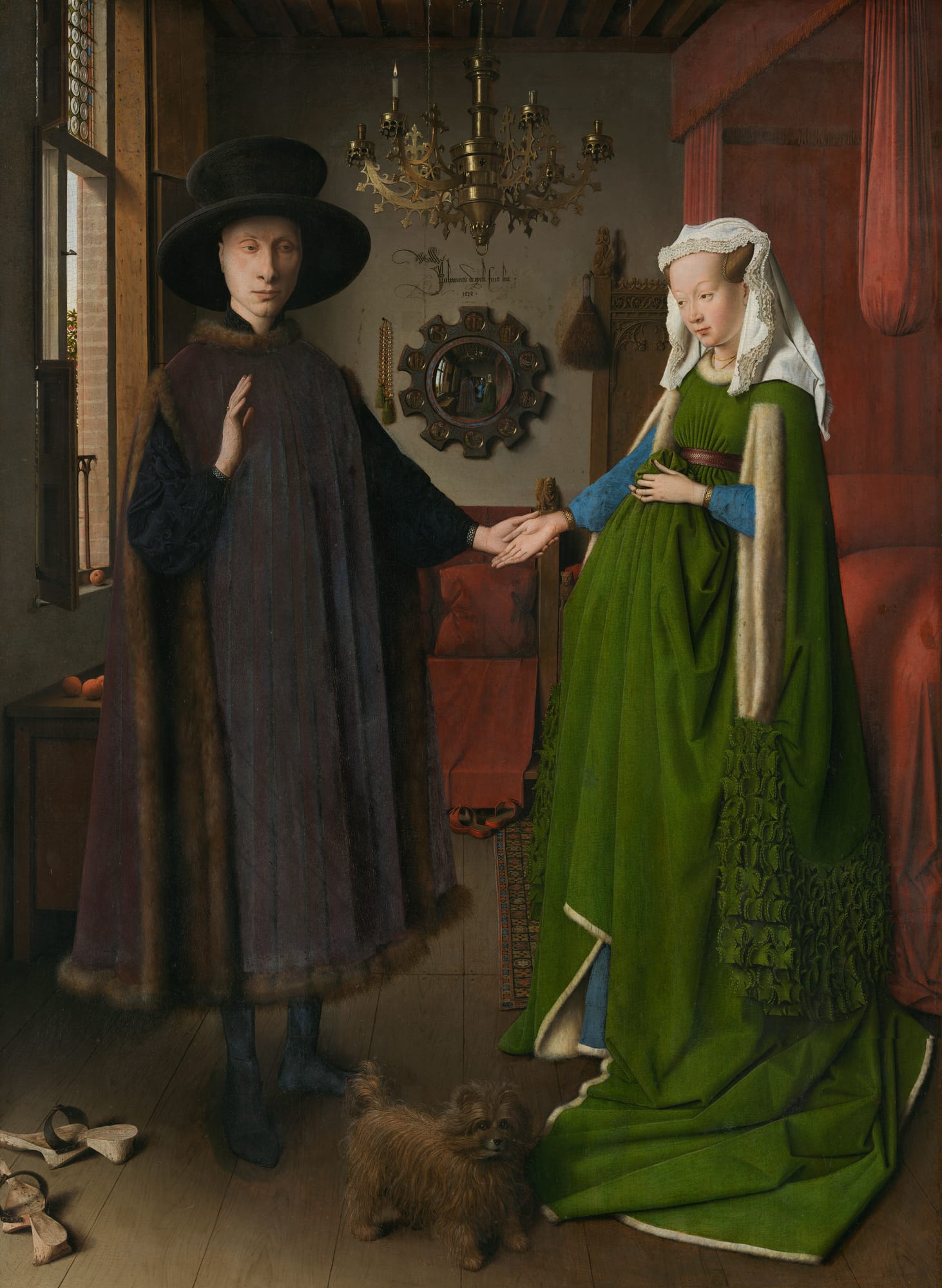
Revolucija je zapocela sa Janom van Ajkom, aktivnim u Brizuu tokom 1430-ih, koji je usavrsio upotrebu uljaanih boja kao umetnickog medija. Dok su uljane boje postojale i pre Van Ajka, on je razvio nove tehnike slojevitog nanosenja tankih, providnih lazura koje su dozvoljavale svetlosti da prodjje kroz vise slojeva pigmenta i odbije se od bele podloge ispod, proizvodecci boje izuzetne svetlosti i dubine. Njegov Arnolfini Portrait (1434) je prelomna tacka zapaadnog slikarstva — dvostruki portret smesteeen u bogato namestenom domacem enterijeru gde je svaki predmet, od konveksnog ogledala na zadnjem zidu do odbacenih drvenih klompi na podu, prikazan sa gotovo halucinantnom preciznoscu. Pa ipak, ovaj zapanjujuci realizam sluzio je dubljem cilju: naucnici su pokazali da mnogi naizgled obicni predmeti na flamanskim slikama nose slojeve simbolickog znacenja, praksa poznata kao “prikriveni simbolizam”. Jedna goruuca sveca u Arnolfinijevom lusteru, na primer, moze predstavljati svevidece oko Boga, dok mali pas pored nogu para simbolizuje vernost.
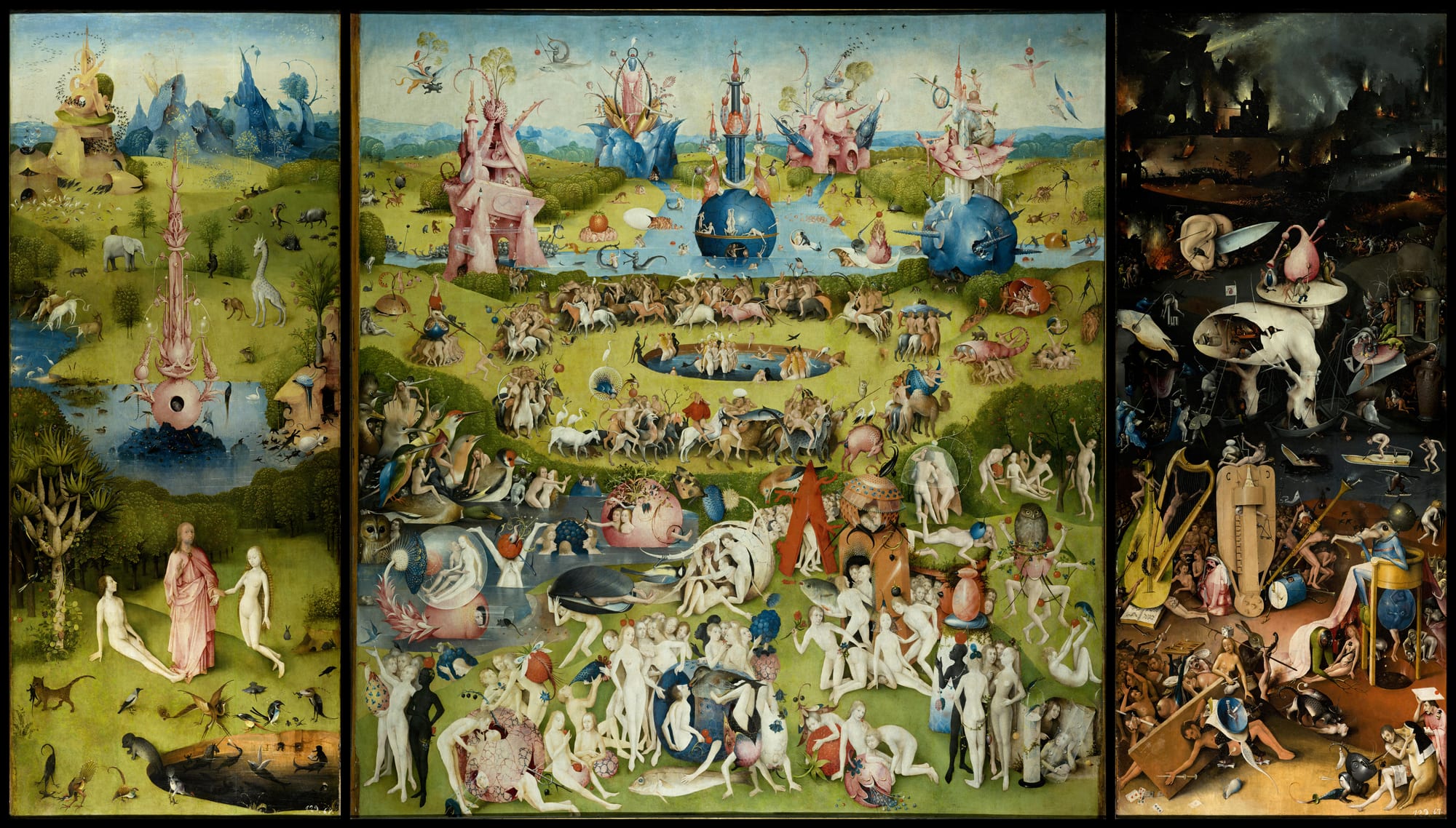
Na suprotnom kraju severnjacke maste stajao je Jeronim Bos, cije fantasticne slike ostaju medju najenigmaticnijim delima u istoriji umetnosti. Njegov veliki triptih The Garden of Earthly Delights se razvija preko tri panela poput groznicavog sna: levi panel prikazuje Edenski vrt u netaknutoj lepoti, centralni panel vrvi stotinama nagih figura angazovanih u bizarnim uzicima usred predimenzioniziranoog voca i cudnih hibridnih bica, a desni panel uranja posmatraca u nocmorni pakao inventivnih mucenja. Bosove slike, istovremeno moralissticke i duboko uznemirujuce, fasciniraju posmatrace vise od pet vekova i nastavljaju da se opiru konacnom tumacenju. Njegovo delo demonstriira da Severna renesansa nije bila samo pedantan realizam vec i moc rasplamsane imaginacije.
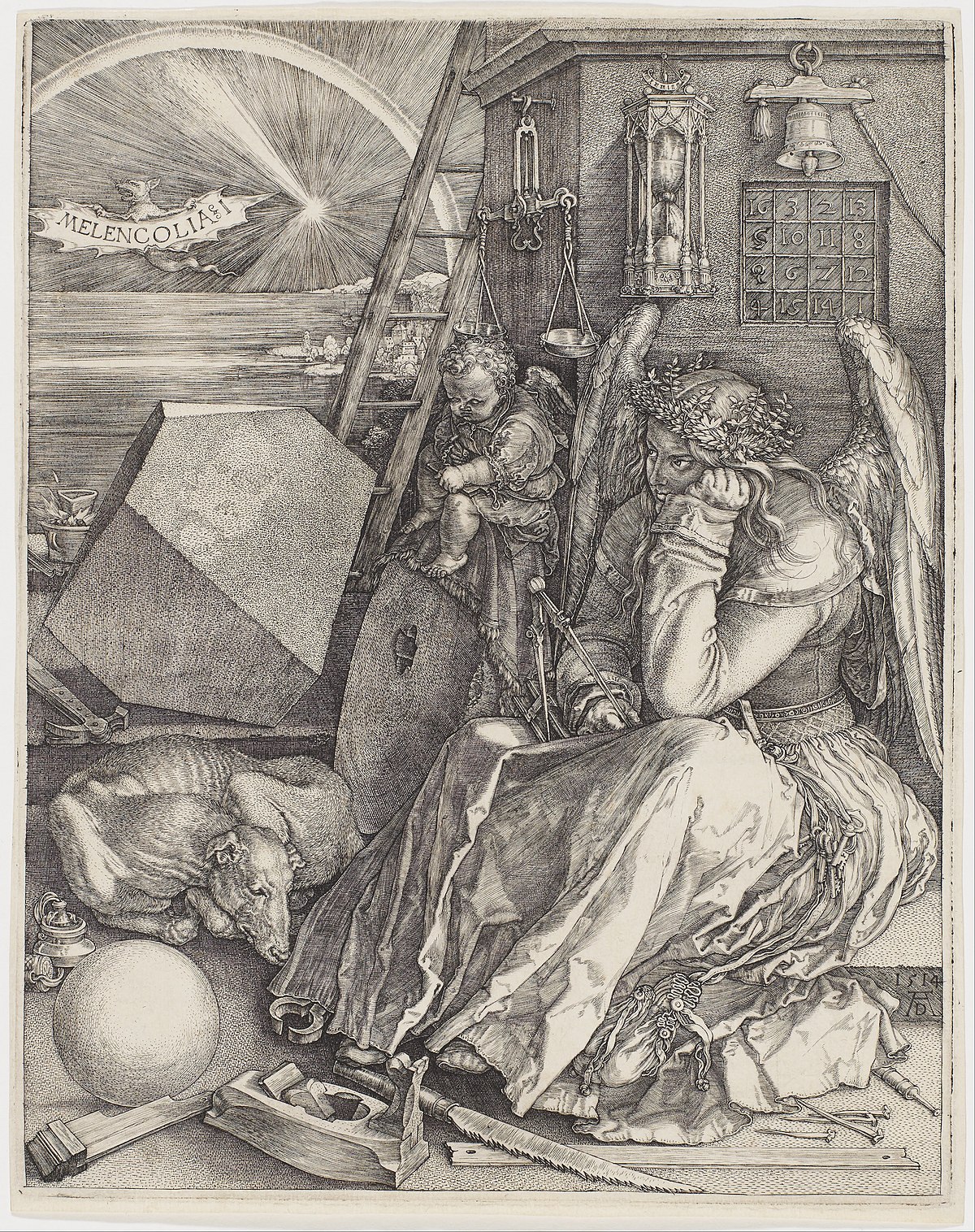
Albreht Direr iz Nirnberga sluzio je kao veliki most izmedju severne i italijanske tradicije. Nakon dva putovanja u Italiju, usvojio je lekcije perspektive, proporcije i klasicnog idealizma, kombinujuci ih sa severnom tradicijom preciznog posmatranja i tehnickog majstorstva u grafici. Direr je uzdigao drvorez i gravuru na nivo visoke umetnosti, proizvodecci grafike toliko izvanredne prefinjenosti da su cirkulisale sirom Evrope i uspostavile njegovu slavu daleko izvan rodnog grada. Njegova Melencolia I (1514) je meditacija o granicama ljudskog znanja — zamislena krilata figura okruzena alatima geometrije, stolarstva i alhemije, ali nesposobna da postigne razumevanje za kojim cezne. Direr je takodje bio jedan od prvih umetnika koji su svesno gradili javni imidz, proizvodecci niz autoportreta koji su potvrdjiivali dostojanstvo i intelektualni status umetnika.
Izum i sirenje stamparije, koju je pokrenuo Johannes Gutenberg 1450-ih, imali su transformativni uticaj na umetnost i kulturu Severne renesanse. Stampane knjige stvorile su nezasitu potraaznju za ilustracijama, a tehnike drvoreza i gravure omogucile su da se slike reprodukuju i distribuiraju u razmeri koja je prethodno bila nezamisliva. Dizajni umetnika sada su mogli putovati preko granica i uticati na radionice stotinama kilometara daleko, ubrzavajuci razmenu ideja izmedju Severa i Juga. Stamparija je takodje podstakla intelektualne tokove severnog humanizma — pokreta koji su vodili naucnici poput Erazma Roterdamskog — i, na kraju, protestantsku reformaciju, koja ce duboko preoblikovati ulogu umetnosti u severnoevropskom drustvu dovodecci u pitanje upotrebu verskih slika od strane Katolicke crkve.