Istorijski kontekst
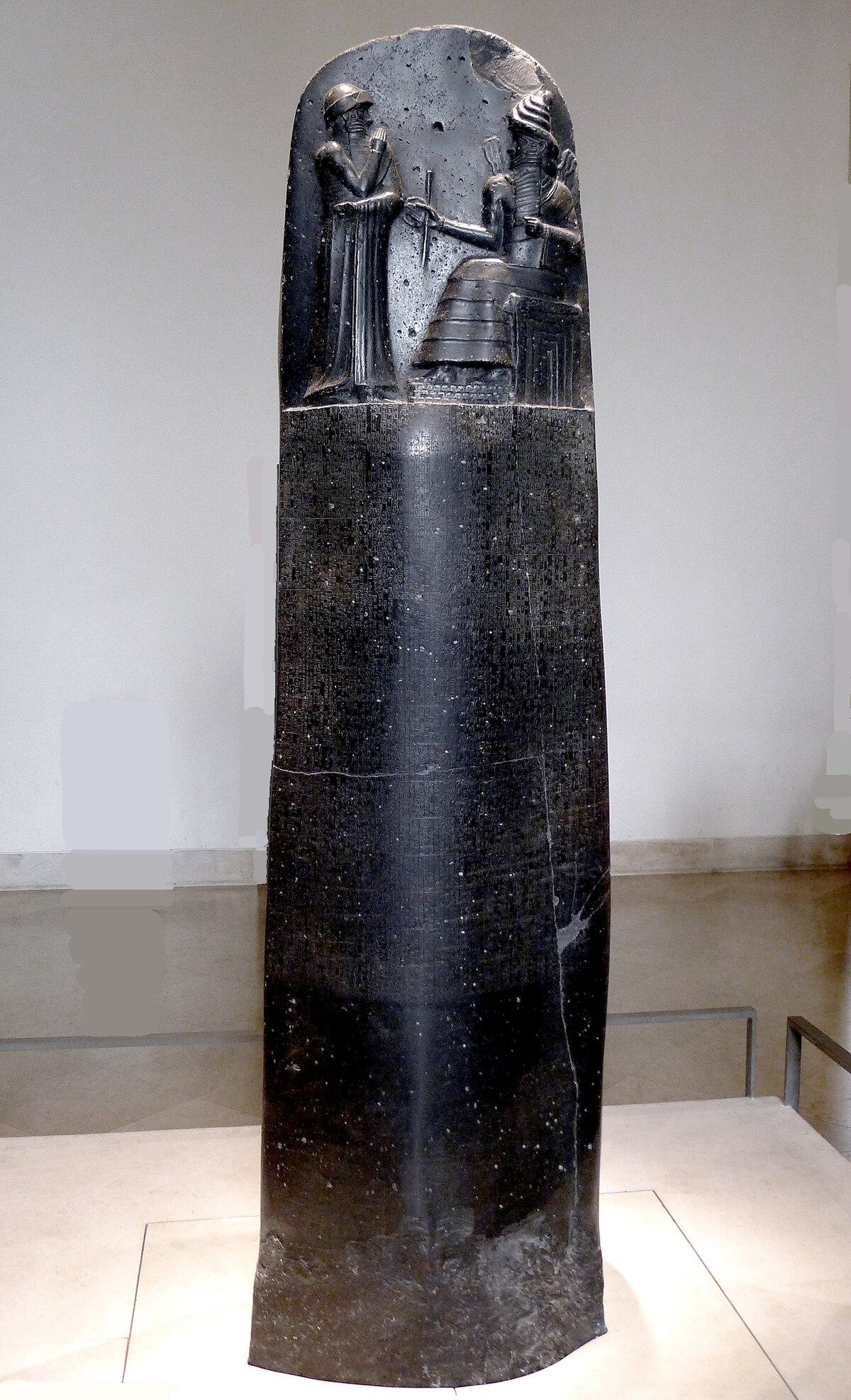
Hamurabijev zakonik je jedan od najslavnijih artefakata drevnog sveta, uzvišena crna dioritna stela ispisana sa 282 pravne odredbe i krunisana isklesanim reljefom koji prikazuje kralja Hamurabija Vavilonskog (vladao oko 1792-1750. pre nove ere) kako prima insignije pravde od Šamaša, mesopotamskog boga sunca i božanskog zaštitnika zakona i istine. Hamurabi, šesti kralj Prve vavilonske dinastije, transformisao je relativno malu gradsku državu u dominantnu silu Mesopotamije kroz kombinaciju vojnih osvajanja, diplomatske lukavosti i administrativne inovacije, ujedinivši južnu Mesopotamiju pod vavilonskom kontrolom po prvi put. Zakonik koji nosi njegovo ime, sastavljen na starovavilonskom akadskom jeziku i upisan elegantnim klinastim pismom, nije bio najranija poznata pravna kompilacija iz Mesopotamije — prethodili su mu zakonici Ur-Namua (oko 2100. pre n.e.) i Lipit-Ištara (oko 1934. pre n.e.), među ostalima — ali je bio daleko najsveobuhvatniji, najsistematičnije organizovan i najšire rasprostranjen, a njegovo otkriće u ranom dvadesetom veku suštinski je preoblikovalo naučno razumevanje drevnog prava, upravljanja i društvene organizacije.
Stela nije pronađena u Vavilonu već na akropoli Suze, drevnog glavnog grada Elama (u savremenom jugozapadnom Iranu), gde je preneta kao ratni plen od strane elamskog kralja Šutruk-Nahuntea I nakon njegovog pohoda na vavilonske gradove oko 1155. pre n.e. Ovaj čin pljačke bio je sam po sebi oblik političke izjave: oduzimajući stelu i prenoseći je u Suzu, elamski kralj prisvajao je ne samo vredan predmet već i simbolički autoritet koji je otelotvoravala, demonstrirajući svoj trijumf nad vavilonskom moći. Stela je iskopana u tri fragmenta tokom zime 1901-1902. godine od strane francuske arheološke ekspedicije koju je vodio Žak de Morgan, a fragmenti su ponovo sastavljeni i prevezeni u Muzej Luvr, gde je predmet odmah postao jedno od najcenjenijih muzejskih poseda. Dominikanski naučnik Žan-Vensan Šej objavio je prvi prevod teksta u roku od godinu dana od otkrića, i Hamurabijev zakonik je brzo ušao u kanon ključnih dokumenata za proučavanje drevne civilizacije, citiran u pravnoj, istorijskoj i biblijskoj nauci kao temeljni tekst za razumevanje porekla kodifikovanog prava.
Formalna analiza
Vizuelni program stele, koncentrisan u lunetastom reljefu na vrhu spomenika, remek-delo je starovavilonske dvorske umetnosti koje prenosi božansku legitimnost Hamurabijevog pravnog autoriteta kroz pažljivo kalibriranu ikonografsku kompoziciju. Scena prikazuje dve figure: Šamaša, boga sunca, koji sedi na tronu na vrhu uzorka kosmičke planine koji simbolizuje božanski domen, i Hamurabija, koji stoji pred njim u gestu poštovanja sa desnom rukom podignutom ka ustima (mesopotamski gest molitve i poslušnosti). Šamaš nosi rogati venac božanstva, a zraci svetlosti (ili plamena) emaniraju sa njegovih ramena, identifikujući ga kao boga koji osvetljava istinu i rasteriuje laž. On pruža Hamurabiju štap i prsten, predmete čije je precizno značenje predmet debate, ali koji se generalno razumeju kao simboli pravednog merenja i suverenog autoriteta — instrumenti pravednog vladanja koje bog poverava svom izabranom zemaljskom predstavniku. Kompozicija uspostavlja vertikalnu hijerarhiju: sedeći bog je nešto viši od stojećeg kralja, naglašavajući božansku superiornost, ali dve figure zauzimaju istu slikovnu ravan i stupaju u direktnu interakciju licem u lice, sugerirajući intimni odnos između božanske volje i kraljevskog delanja koji je centralan za mesopotamsku političku teologiju.
Skulptoralna izvedba reljefa demonstrira tehničku virtuoznost starovavilonskih kamenorezaca, koji su obrađivali jedan od najtvrđih kamena dostupnih na drevnom Bliskom istoku. Diorit, magmatska stena izuzetne tvrdoće (otprilike 6-7 na Mosovoj skali), cenjen je u Mesopotamiji upravo zbog teškoće obrade: njegov otpor klesanju osiguravao je permanentnost natpisa i trajnost spomenika, dok su njegova duboka crna boja i visoki sjaj davali završenoj steli ozbiljnost i vizuelni autoritet koji mekši kameni nisu mogli postići. Klesanje reljefa izvedeno je sa izuzetnom preciznošću uprkos nepopustljivosti materijala: odežde figura prikazuju fino urezane tekstilne obrasce, Šamaševa brada je raspoređena u karakteristične stepenaste uvojke mesopotamske božanske ikonografije, a celokupna kompozicija postiže monumentalnu jasnoću koja je čitljiva čak i sa znatne udaljenosti. Ispod reljefa, klinasti tekst je raspoređen u vertikalne kolone izuzetne urednosti i pravilnosti, svaki znak urezan alatom nalik stilu koji proizvodi karakteristične klinaste utiske koji daju klinastom pismu njegovo ime. Tekst ispunjava čitavo telo stele, spreda i pozadi, stvarajući vizuelni efekat koji je istovremeno tekstualan i dekorativan — guste, pravilne kolone pisma funkcionišu kao apstraktni obrazac koji pojačava utisak uređenog, sistematskog autoriteta stele.
Recepcija i nasleđe
Hamurabijev zakonik zauzima jedinstvenu poziciju na preseku pravne istorije, političke teorije i vizuelne kulture, jer je istovremeno pravni dokument, delo političke propagande i spomenik skulpturalne umetnosti. Same pravne odredbe — pokrivajući teme od imovinskih sporova, komercijalnih transakcija i porodičnog prava do poljoprivrednih propisa, građevinskih kodeksa i tretmana robova — pružaju neupredivo detaljni uvid u društvene strukture, ekonomske prakse i moralne pretpostavke starovavilonskog društva. Čuveni princip lex talionis („oko za oko, zub za zub”) koji se pojavljuje u nekoliko odredbi često je citiran kao dokaz primitivne surovosti, ali pravni istoričari danas naglašavaju da pravi značaj zakonika leži u njegovom sistematskom pokušaju da zameni privatnu osvetu državno administriranom pravdom, da uspostavi proporcionalnu kaznu umesto proizvoljnog odmazda, i da kodifikuje prava i obaveze različitih društvenih klasa unutar koherentnog pravnog okvira. Prolog i epilog zakonika, pisani na uzdignutom književnom akadskom, predstavljaju Hamurabija kao pastira svog naroda, izabranog od bogova Anua i Enlila da „učini da pravda prevladava u zemlji, da uništi zle i opake, da jaki ne tlače slabe”, formulacija koja utvrđuje primarnu obavezu vladara kao zaštitu ranjivih i održavanje društvene harmonije.
Značaj stele kao umetničkog dela leži u njenom spajanju teksta i slike u jedinstven spomenik političke teologije, sinteza koja će karakterisati mesopotamsku kraljevsku umetnost narednih milenijum i po. Reljef na vrhu ne ilustruje prosto pravni tekst ispod; on uspostavlja kosmološki okvir unutar koga zakoni deluju, tvrdeći da Hamurabijevo zakonodavstvo nije samo ljudska konvencija već izraz božanske volje prenesene posredstvom pravednog kralja. Ovaj koncept — da zakon proističe iz božanskog autoriteta i da je poverena kralju kao sveto upraviteljstvo — odjeknuće kroz naredne bliskoistočne i mediteranske tradicije, od biblijskog prikaza Mojsija koji prima zakon na planini Sinaj (scena sa očiglednim kompozicionim paralelama sa Hamurabijevim reljefom) do rimske pravne tradicije koja je razlikovala ius divinum i ius humanum. Hamurabijev zakonik stoga stoji ne samo kao temeljni dokument pravne civilizacije već i kao spomenik drevnom uverenju da su pravda, umetnost i božanski poredak neodvojivi, i da je sam čin upisivanja zakona u neuništivi kamen tvrdnja o sposobnosti čovečanstva da nametne značenje i strukturu haosu društvenog postojanja.