Istorijski kontekst
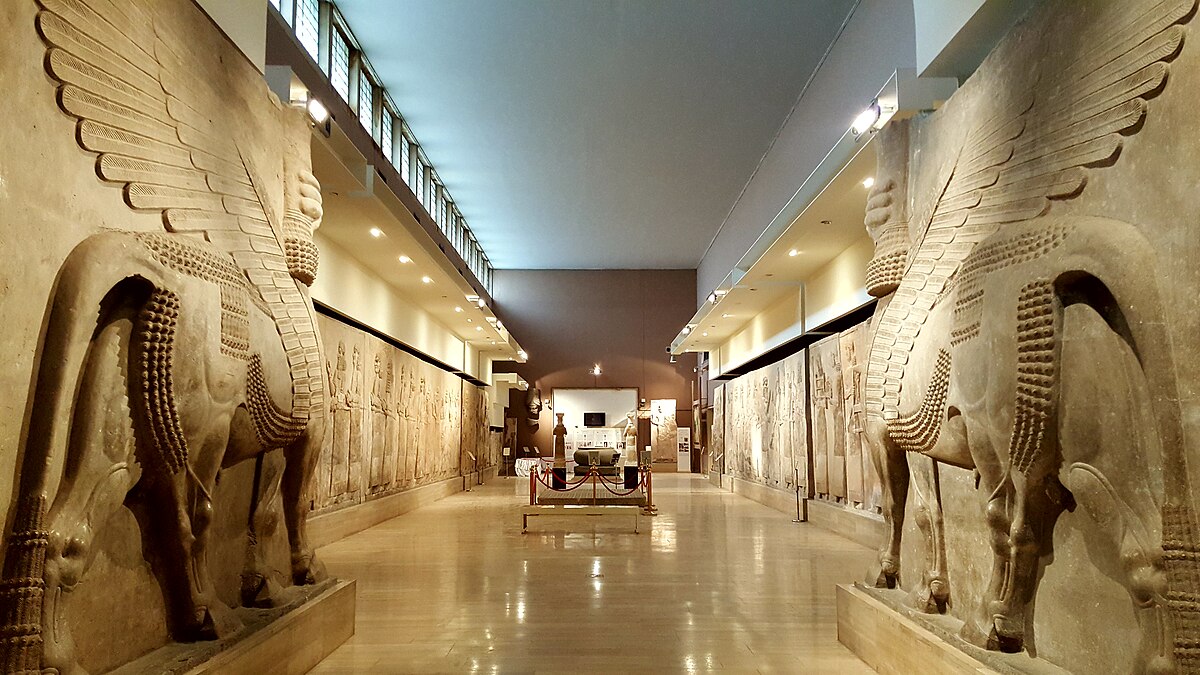
Lamasu — kolosalni bik ili lav sa ljudskom glavom i krilima koji je služio kao apotropejska čuvarska figura postavljana uz kapije i prolaze asirskih kraljevskih palata — spada među najikoničnije i najprepoznatljivije umetničke forme koje je proizvela bilo koja antička civilizacija. Primerak u Muzeju Luvr, isklesan iz jednog masivnog bloka gipsanog alabastera i visok preko četiri metra, poticao je iz palate kralja Sargona II (Šarru-kin, vladao 721-705. pre n.e.) u Dur-Šarukinu (savremeni Korsabad), namenski izgrađenoj kraljevskoj prestonici otprilike petnaest kilometara severoistočno od Ninive u današnjem severnom Iraku. Sargon II, koji je preuzeo asirski presto u okolnostima koje ostaju istorijski nejasne i čije samo prestono ime („Sargon” znači „legitimni kralj”) sugeriše potrebu da potvrdi osporavani autoritet, pokrenuo je jedan od najambicioznijih graditeljskih projekata u istoriji antičkog Bliskog istoka: izgradnju sasvim novog glavnog grada, kompletnog sa masivnim fortifikacionim zidinama, hramovima, stambenim četvrtima i monumentalnim palatskim kompleksom (Palata bez premca, kako je sam Sargon nazvao u svojim natpisima) koji je pokrivao otprilike deset hektara. Figure lamasua, postavljene u parovima na glavnim kapijama, bile su suštinske komponente ovog palatskog programa, njihova kolosalna veličina i natprirodna forma projicirali su kraljev božanski mandat i vojnu moć svima koji su ulazili.
Lamasui iz Korsabada iskopao je francuski vicekronzul Pol-Emil Bota, koji je 1843. postao prvi Evropljanin koji je otkrio asirsku palatu, događaj koji je elektrificirao naučni svet i inaugurisao modernu disciplinu asiriologije. Botino prvobitno iskopavanje na humku Kujundžik (antička Niniva) dalo je razočaravajuće rezultate, i tek kada je preusmrio pažnju na Korsabad, postupajući po savetu jednog meštanina, naišao je na alabasterom obložene zidove i monumentalne figure kapija Sargonove palate. Otkriće ovih kolosalnih skulptura — bića razmera, materijala i ikonografske složenosti potpuno nepoznatih evropskom iskustvu — izazvalo je zapanjenost i intenzivno javno interesovanje, te je francuska vlada poslala umetnika Ežena Flandena da zabeleži nalaze u detaljnim crtežima pre organizovanja transporta izabranih komada u Pariz. Putovanje lamasua od Korsabada do Luvra bilo je samo po sebi epski poduhvat, zahtevajući konstrukciju specijalnih kola, plovidbu rekama na splavovima i morsko putovanje od Basre do Le Avra, uspostavljajući obrazac monumentalnog arheološkog transporta koji bi ponovile britanske, američke i nemačke ekspedicije tokom devetnaestog i ranog dvadesetog veka.
Formalna analiza
Lamasu je remek-delo skulptorskog dizajna koje rešava fundamentalnu napetost između dvodimenzionalnog reljefa i trodimenzionalne skulpture sa izvanrednom domišljatošću. Gledano spreda, figura predstavlja simetričnu, heraldičku sliku: masivno telo gleda pravo u posmatrača, krila su raširena simetrično na obe strane, a ljudska glava — bradate, spokojne fizionomije, sa rogatom krunom (aga, simbolom božanskog statusa) — gleda prema spolja sa izrazom bezstrasnog autoriteta. Gledano sa strane, figura se transformiše u koračajuću životinju u visokom reljefu, njene moćne noge napreduju sa mišićnom energijom, krila su sklopljena uz bok tela. Čuvena „peta noga” rešava prelaz između ova dva pogleda: stvorenje ima pet nogu umesto četiri, tako da se spreda obe prednje noge vide kako mirno stoje, dok se sa strane četiri noge pojavljuju u koračajućem hodu. Ovo optičko rešenje, koje proizvodi trenutačni vizuelni paradoks kada se figura posmatra pod kosim uglom, demonstrira sofisticirano razumevanje posmatračevog kretanja kroz arhitektonski prostor i spremnost da se žrtvuje stroga anatomska doslednost u korist vizuelne efektnosti sa dve primarne tačke gledanja.
Klesanje kombinuje pasaže izvanrednog naturalističkog detalja sa smelog, apstraktnog uzorkovanja karakterističnog za asirski dvorski stil. Ljudsko lice, uokvireno razrađeno uvijanom i plisiranom bradom raspoređenom u horizontalnim nivoima, prikazuje idealizovanu fizionomiju asirskog kraljevskog portretisanja: velike oči u obliku badema ispod snažno svedenih obrva, istaknut orlovski nos i pune, blago nasmejane usne koje odaju utisak mirnog, nadljudskog spokoja. Uši bika su naturalistički prikazane, kao i moćne noge sa pažljivo isklesanim kopitama, tetivama i muskulaturom, demonstrirajući vladanje asirskog vajara životinjskom anatomijom koje je takođe evidentno u slavnim reljefima lova na lavove iz kasnije palate Ašurbanipala u Ninivi. Krila su, nasuprot tome, tretirana kao ravne, dekorativne površine pokrivene preciznim uzorkom stilizovanih pera raspoređenih u redove koji se preklapaju, pri čemu je svako pero pojedinačno urezano paralelnim linijama koje hvataju svetlo i stvaraju svetlucajući tekstualni efekat. Napetost između naturalističke anatomije i apstraktnog uzorka, između organskog i dekorativnog, centralna je za estetsku moć asirske palatske skulpture i odražava vizuelnu kulturu u kojoj je prirodni svet shvatan kao uređen, regulisan i konačno kontrolisan od strane kraljev božanski sankcionisanog autoriteta.
Značaj i nasleđe
Figure lamasua novoasirskih palata predstavljaju jedno od najoriginalnijih i najubedljivijih rešenja za trajni umetnički problem stvaranja čuvarskih slika koje komuniciraju natprirodnu moć i zaštitnu silu. Kompozitna priroda stvorenja — kombinujući snagu bika, brzinu orla (kroz svoja krila) i inteligenciju čoveka — izražavala je koncept božanske zaštite koji je prevazilazio kapacitete bilo koje pojedinačne prirodne forme. U mesopotamskoj religijskoj misli, lamasu (u akadskim tekstovima nazivan i šedu ili aladlamu) bio je dobronamerno natprirodno biće zaduženo da štiti zgrade, gradove i pojedince od zlonamernih sila, a postavljanje ovih kolosalnih figura na palatskim kapijama — limiinalnim tačkama gde je uređena unutrašnjost susretala potencijalno neprijateljsku spoljašnjost — aktiviralo ih je kao ritualne čuvare čije je prisustvo shvatano kao istinski delotvorno, a ne tek simbolično. Natpisi urezani na telima nekih figura lamasua uključuju zaštitne formule i kletve protiv svakoga ko bi ih oštetio ili uklonio, sugurišući da su skulpture shvatane kao magijski nabijeni predmeti čiji je fizički integritet bio esencijalan za njihovu zaštitnu funkciju.
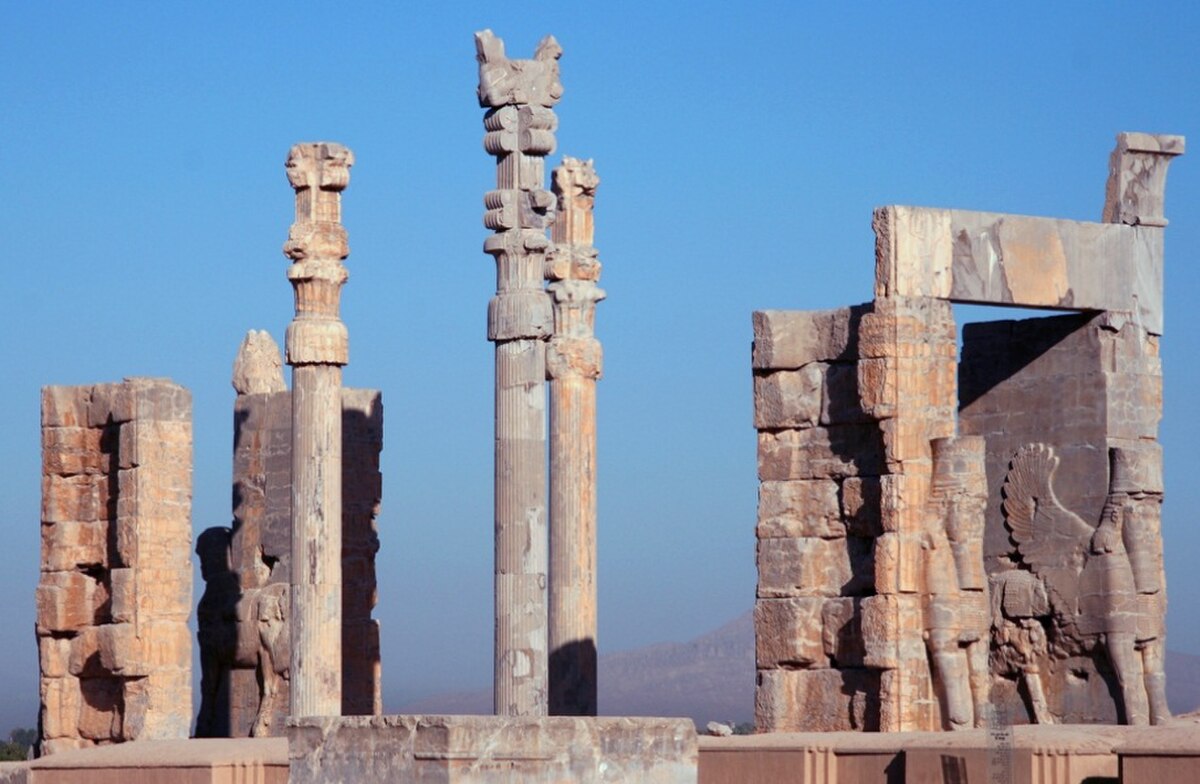
Uticaj asirskog lamasua proteže se daleko izvan granica antičke Mesopotamije i hronoloških okvira novoasirskog perioda. Kompozitna čuvaraska figura sa ljudskim i životinjskim elementima našla je odjeke u sfingama Egipta, grifonima i himerama grčke umetnosti, heruvimima izraelske i kasnije hrišćanske tradicije (koje Jezekiljeva vizija opisuje kao složena bića sa licem čoveka, lava, vola i orla) i krilatim bikovima ahemenidske persijske palatske arhitekture u Persepolisu. Ponovno otkriće lamasua u devetnaestom veku imalo je značajan uticaj na evropsku vizuelnu kulturu, inspirišući umetnike, arhitekte i dizajnere od pokreta asirskog preporoda u viktorijanskoj Britaniji do perioda art dekoa, kada je kombinacija monumentalne razmere, geometrijskog uzorkovanja i moćne životinjske forme lamasua rezonirala sa modernističkim estetskim senzibilitetima. U novije vreme, uništenje figura lamasua na lokalitetu Nimrud od strane militanata ISIL-a 2015. godine, snimljeno kamerom i emitovano širom sveta, transformisalo je lamasua u simbol ugrožene kulturne baštine i ranjivosti zajedničkog umetničkog nasleđa čovečanstva pred ideološkim nasiljem, izazvavši međunarodno gnevno reagovanje i oživljavajući debate o zaštiti, očuvanju i izlaganju nezamenljivih antičkih spomenika.