Istorijski kontekst
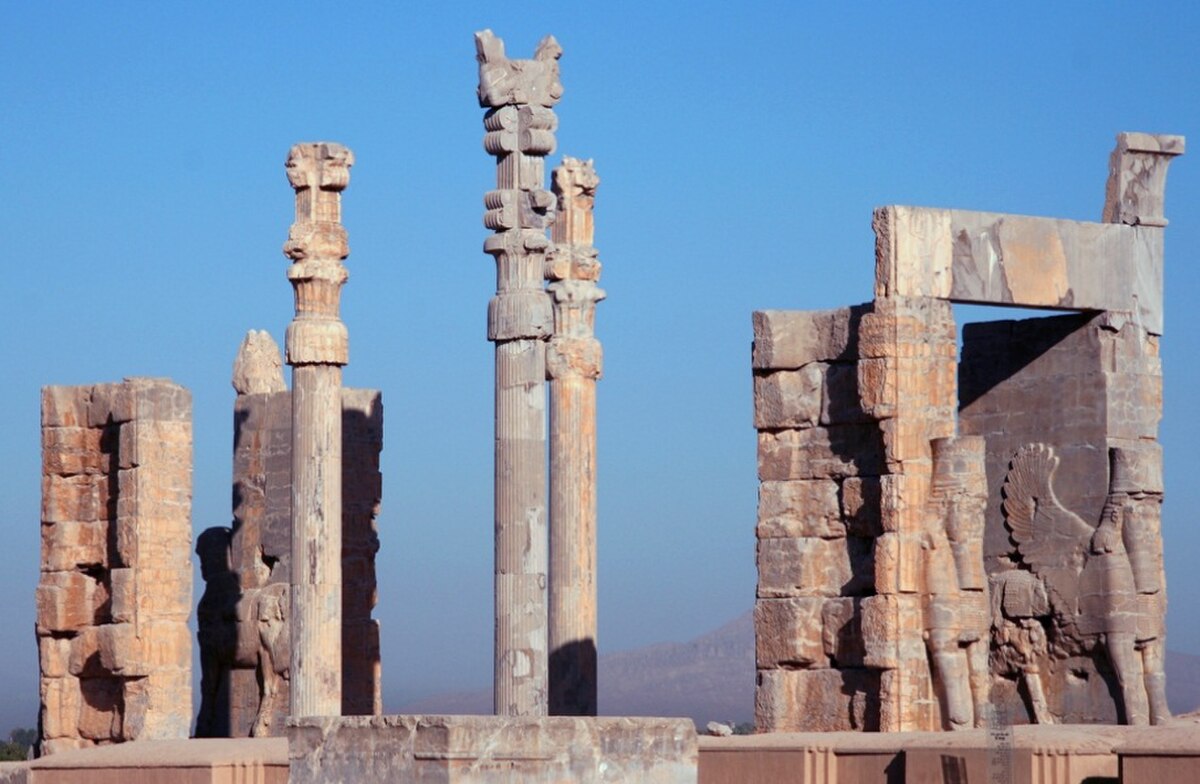
Ceremonijalni kompleks u Persopolju (staropersijski: Parsa, „Grad Persijanaca”), koji je osnovao Darije I (vladao 522-486. pre n.e.) oko 518. godine pre nove ere i značajno proširio njegov sin Kserks I (vladao 486-465. pre n.e.), služio je kao ritualno i ideološko srce Ahemenidskog carstva, najveće političke tvorevine koju je svet do tada video, koja se prostirala od doline Inda do Egejskog mora i od Srednje Azije do Gornjeg Egipta. Izgrađen na masivnoj kamenoj terasi (približno 455 sa 300 metara) veštački poravnatoj iz prirodne stene planine Kuh-e Rahmat, kompleks nije bio administrativna prestonica — tu funkciju su obavljali Suza i Vavilon — već ceremonijalna pozornica za izvođenje imperijalne ideologije, najznačajnije tokom velikog novogodišnjeg festivala Novruz, kada se veruje da su se delegacije iz svih dvadeset tri satrapije (provincije) carstva okupljale da predaju tribut i obnove vernost Kralju kraljeva. Apadana, ili prijemna dvorana, bila je najgrandicioznija zgrada kompleksa: hipostilna dvorana od trideset šest stubova, svaki visok preko devetnaest metara, sposobna da primi hiljade ljudi, čija su monumentalna dvostruka stepeništa na severnom i istočnom boku ukrašena reljefnim skulpturama koje čine najopsežniji i najbolje očuvani program ahemenidske arhitektonske dekoracije.
Reljefi stepeništa Apadane, klesani u sitnozrnom sivom krečnjaku vađenom iz susedne planine, prikazuju pažljivo orkestriranu kompoziciju izvanrednog obima i preciznosti. Istočno stepenište, bolje očuvano od dva, predstavlja simetričan raspored centriran oko hijeratske scene entronisanog kralja (Darija ili Kserksa) okruženog pratiocima i prestolonaslednika, sa povorkama persijskih i medijskih plemića na jednoj strani i dvadeset tri delegacije naroda sa tributom na drugoj, pri čemu je svaka delegacija predvođena persijskim ili medijskim pristalicama i razlikuje se po karakterističnoj nošnji, frizurama i specifičnim darovima koje nose. Identifikacija ovih delegacija — Vavilonci, Elamiti, Jermeni, Kapadokijci, Liđani, Jonjani, Baktrijci, Gandharci, Etiopljani, Arapi, Skiti i drugi — oslanja se na poređenje sa spiskom potčinjenih naroda upisanim na temeljnim tablicama i na grobu Darija u Nakš-e Rostamu, a njihovo predstavljanje u Persopolju čini vizuelnu enciklopediju etničke i kulturne raznolikosti carstva, prikazane sa etnografskom preciznošću koja se proteže do tačnog prikaza regionalnih tekstila, pokrivala za glavu, obuće i životinja (kamile, konji, goveda sa grbom, okapi) dovedenih kao tribut.
Formalna analiza
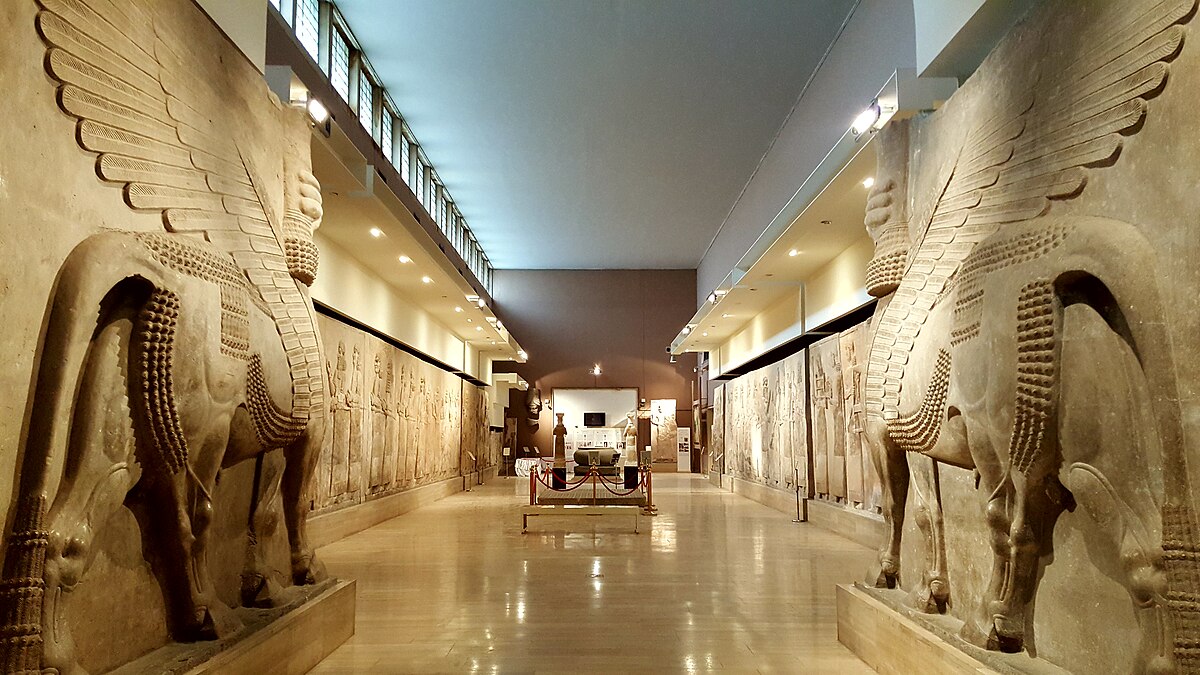
Skulpturalni stil reljefa Persopolja predstavlja prepoznatljivu sintezu umetničkih tradicija crpljenih iz celokupnog ogromnog teritorijalnog prostranstva Ahemenidskog carstva. Tehnika plitkog reljefa, u kojoj figure strče samo nekoliko centimetara od pozadinske ravni, podseća na asirsku tradiciju palačanskog reljefa, a zaista ahemenidski izvori eksplicitno priznaju učešće zanatlija iz Vavilonije, Jonije, Egipta i drugih potčinjenih teritorija u izgradnji i dekoraciji kraljevskih zgrada. Ipak, reljefi Persopolja se suštinski razlikuju od svojih asirskih prethodnika kako po raspoloženju tako i po sadržaju: dok su asirskireljefi slavili kralja kroz scene ratovanja, lova i brutalnog pokoravanja neprijatelja — odsečene glave, nabijene zatvorenike, oderane kože — reljefi Persopolja prikazuju svet uređene harmonije, ceremonijskog dostojanstva i voljne saradnje. Nema scena bitke, nema slika nasilja ili prisile; umesto toga, delegacije pristupaju kralju u atmosferi svečanog mira, njihovi izrazi spokojni, darovi predati dobrovoljno, njihova kulturna posebnost očuvana i poštovana unutar šireg okvira imperijskog jedinstva. Ova vizuelna retorika dobronamerne univerzalnosti bila je namerni ideološki izbor, odražavajući ahemenidsku kraljevsku ideologiju izraženu u Darijevim natpisima, koji predstavljaju kralja ne kao osvajača koji drobi svoje podanike, već kao božanski određenog pastira koji održava kosmički poredak (arta) i štiti raznolike narode pod svojom brigom.
Formalne karakteristike reljefnog klesanja odlikuju se kombinacijom izvanredne tehničke preciznosti i kontrolisane, gotovo stroge estetske osetljivosti. Figure su prikazane u strogom profilu sa četvrtastim ramenima i pažljivo artikulisanim detaljima nošnje, nakita i fizionomije, pri čemu je svaki element klesan sa jasnoćom i pravilnošću koja sugeriše korišćenje preliminarnih šablona ili kartona kako bi se osigurala doslednost na ogromnom prostranstvu dekorisanih površina. Draperija je tretirana sa posebnom rafiniranostću: plisirani i nabrani odevi persijskih i medijskih dvorana prikazuju suptilno razumevanje načina na koji tkanina pada preko tela, sa finim paralelnim urezima koji označavaju nabore i osetljivošću za razliku između teške vune i lakših, tečnijih tekstila. Prostorna organizacija kompozicije oslanja se na procesionalnu konvenciju figura raspoređenih u horizontalnim registrima razdvojenim uskim trakama uzoraka rozeta ili lotosa, sa linijom tla koja služi kao ujedinjujući element koji povezuje pojedinačne delegacije u neprekidno, ritmično kretanje ka centralnoj osi. Ukupan efekat je jedan od odmerenog, harmoničnog reda — vizuelni korelat ahemenidskog imperijalnog ideala sveta dovedenog u sklad pravednom vladavinom Kralja kraljeva.
Recepcija i nasleđe
Reljefi Persopolja su od ogromnog značaja za proučavanje antičke umetnosti, služeći kao primarni preživeli dokaz vizuelne kulture Ahemenidskog carstva i kao dokument međukulturne umetničke razmene na dotada neviđenoj skali. Reljefi demonstriraju kako su Ahemenidi stvorili novu imperijalnu umetnost selektivnim prisvajanjem i sintetizovanjem elemenata iz umetničkih tradicija svojih potčinjenih naroda: tehniku plitkog reljefa i procesionalu kompoziciju iz Asirije, tretman draperije i anatomsko modelovanje iz jonske Grčke, monumentalnu skalu i hijeratsku frontalnost iz Egipta, i dekorativne motive (lotos, palmeta, rozeta) iz pannearistočnog ornamentalnog vokabulara. Ovaj sinkretički pristup proizveo je stil koji je bio prepoznatljivo nov — ni asirski, ni grčki, ni egipatski, već izrazito ahemenidski — i koji je služio kao vizuelno otelotvorenje političke ideologije carstva o jedinstvu u raznolikosti. Reljefi Persopolja tako nude izvanredan primer odnosa između političke moći i umetničke produkcije, demonstrirajući kako carstva stvaraju vizuelne kulture koje istovremeno izražavaju i legitimizuju njihov autoritet.
Uništenje Persopolja od strane Aleksandra Velikog 330. godine pre nove ere — čin koji antički izvori različito pripisuju namernoj politici, pijanom impulsu ili podsticaju atenske kurtizane Taide — bio je jedan od najznačajnijih činova kulturnog razaranja u antičkoj istoriji, mada je požar koji je progutao drvene krovove i kedrove stubove ostavio kamenu terasu, stepeništa i reljefne skulpture uglavnom netaknutim. Lokalitet nikada nije obnovljen niti ponovo naseljen i postepeno je nestao pod akumuliranim nanosima sve dok ga evropski putnici nisu ponovo otkrili u sedamnaestom veku, a Ernst Hercfeld i Erih Šmit sistematski iskopali za Orijentalni institut Univerziteta u Čikagu 1930-ih godina. Persopolje je upisano kao UNESCO svetska baština 1979. godine, a njegovi reljefi nastavljaju da imaju dubok kulturni i politički značaj u savremenom Iranu, gde se široko smatraju vrhunskim umetničkim dostignućem preislamske persijske civilizacije i opipljivim dokazom istorijske uloge Irana kao centra svetske kulture. Ikonografija ovog lokaliteta pojavljuje se na iranskoj valuti, poštanskim markama i zvaničnim amblemima, a proslave Novruza za koje se veruje da ih reljefi prikazuju ostaju najvažniji praznik u iranskom kalendaru, živa veza između drevnog ceremonijalnog sveta klesanog u kamenu i kulturnog identiteta moderne nacije.