Istorijski kontekst
Kupola na steni dovršena je 691-692. godine nove ere pod pokroviteljstvom umajadskog kalifa Abd al-Malika ibn Marvana, manje od šezdeset godina nakon muslimanskog osvajanja Jerusalima 637. To je najranije sačuvano monumentalno delo islamske arhitekture i jedna od najznačajnijih verskih građevina na svetu, smeštena na mestu od duboke svetosti za judaizam, hrišćanstvo i islam. Struktura je podignuta iznad Kamena temeljca (al-Sahra), identifikovanog u islamskoj tradiciji kao mesto sa koga je Prorok Muhamed uzašao na nebo tokom Noćnog putovanja (Isra i Miradž), a u jevrejskoj tradiciji kao mesto Svetinje nad svetinjama Solomonovog hrama. Odluka da se izgradi monumentalna svetinja na ovom preciznom mestu bila je istovremeno teološka izjava, potvrda islamskog suvereniteta nad svetom geografijom Jerusalima i politički gest usmeren kako prema ustaljenim hrišćanskim i jevrejskim zajednicama grada, tako i prema Abd al-Malikovom rivalu, anti-kalifu Ibn al-Zubejru u Meki.
Arhitektonski i dekorativni program Kupole na steni mora se razumeti u kontekstu kasnoantičkog mediteranskog sveta u kome se rani islam pojavio. Umajadska dinastija, sa sedištem u Damasku, vladala je ogromnim carstvom koje je apsorbovalo teritorije, populacije i umetničke tradicije Vizantijskog i Sasanidskog carstva, i njena monumentalna arhitektura slobodno je crpela iz ovih nasleđenih tradicija. Centralizovana osmostrona osnova Kupole na steni ima jasne presedane u kasnoantičkoj hrišćanskoj arhitekturi — posebno u Crkvi Svetog groba u Jerusalimu, sa kojom je nova građevina eksplicitno dizajnirana da se takmiči u razmeri i sjaju. Mozaici koji su prvobitno pokrivali i unutrašnje i spoljne površine izvedeni su od majstora obučenih u vizantijskoj tradiciji, moguće čak regrutovanih iz Konstantinopolja, mada je dekorativni program prilagođen u skladu sa nastajućim islamskim estetskim principima, prikazujući razrađene biljne i geometrijske ornamente, draguljima ukrašene krune i druge kraljevske insignije, ali upadljivo izbegavajući figuralnu reprezentaciju.
Formalna analiza
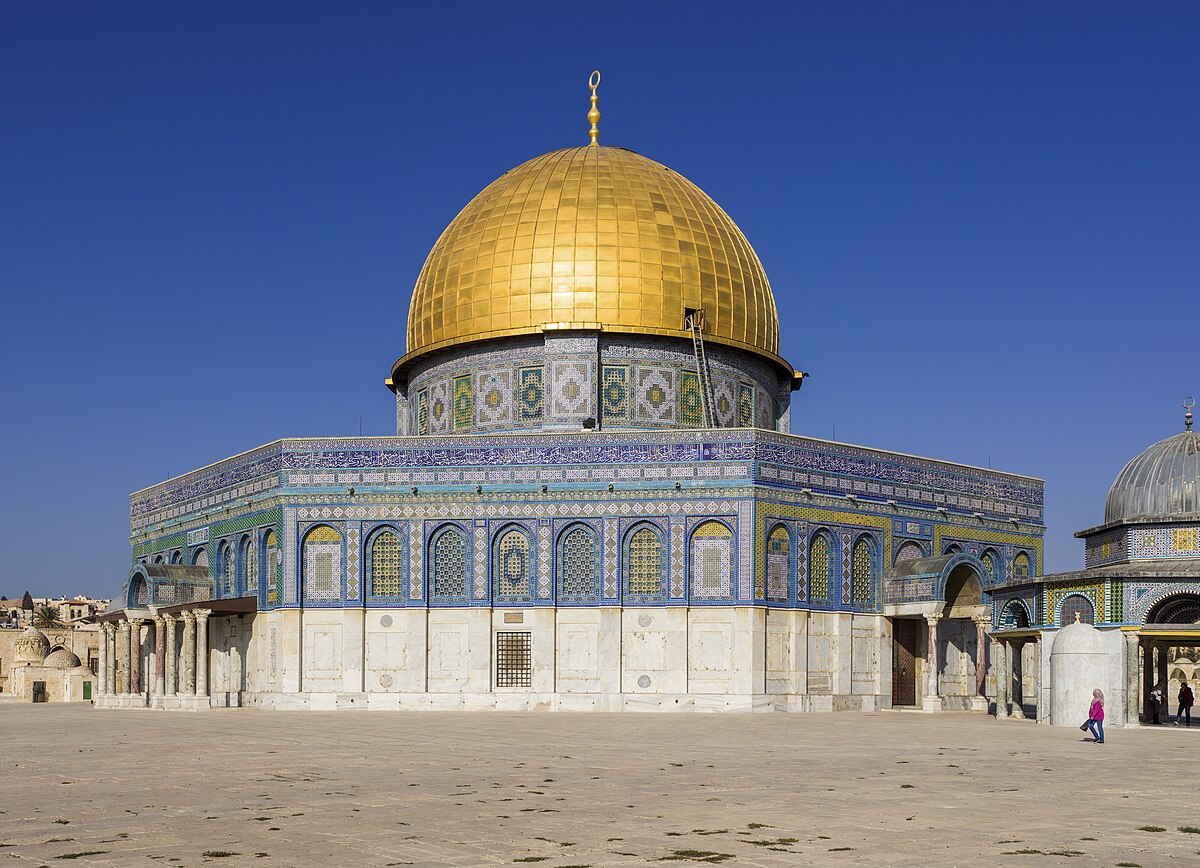
Kupola na steni organizovana je prema planu dvostruke osmostrene osnove izuzetne geometrijske jasnoće. Spoljna osmostrna stena, čija svaka strana meri približno 20,4 metra, obuhvata unutrašnju osmostranunu arkadu koja sa svoje strane okružuje kružnu kolonadu od dvanaest stubova i četiri stuba koji nose doboš i kupolu iznad svete stene. Ovaj koncentrični raspored stvara dva ambulatorijumska prolaza koji olakšavaju ritualno obilaženje stene, devocionu praksu koju arhitektura istovremeno prilagođava i koreografiše. Proporcionalni odnosi između komponenti građevine upravljani su sofisticiranom geometrijskom shemom zasnovanom na rotaciji kvadrata, projektantski princip koji generiše osmostrani plan iz preseka dva rotirana kvadrata i koji proizvodi harmonične proporcionalne odnose između prečnika kupole, unutrašnjeg osmougaonika i spoljnih zidova.
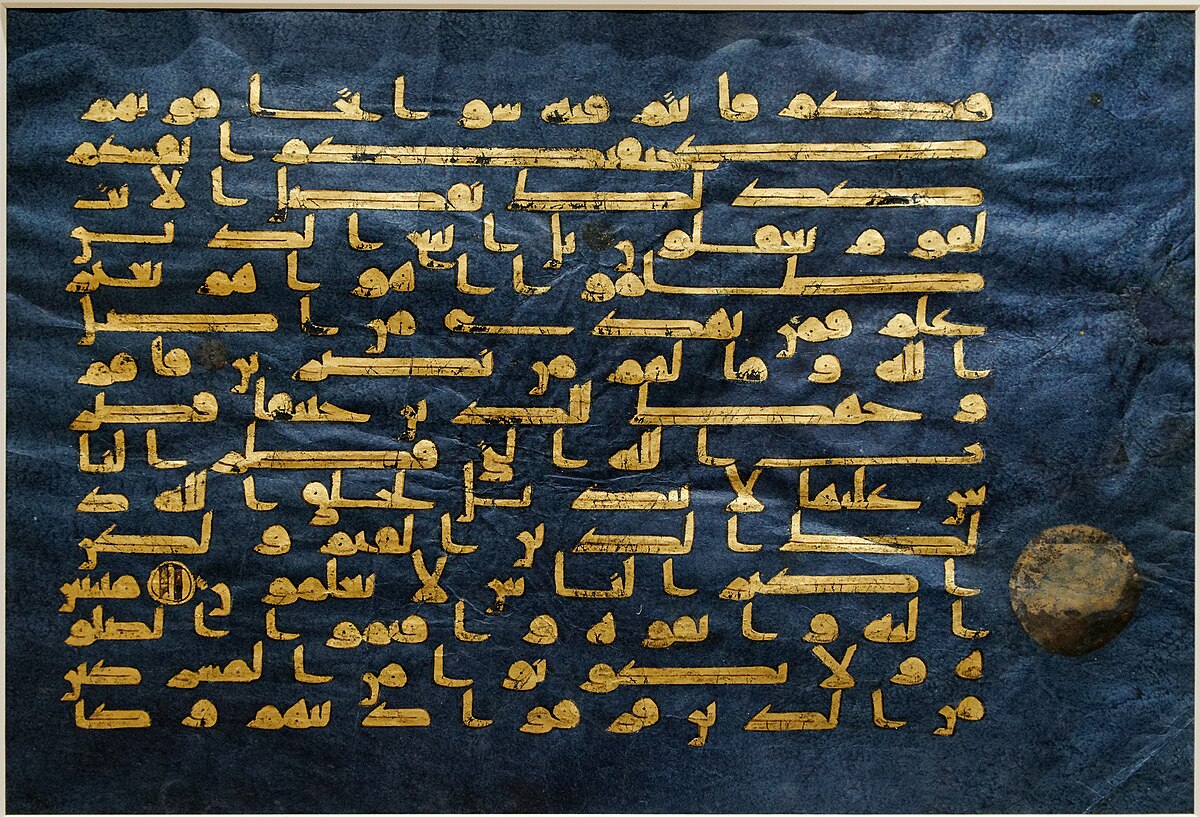
Pozlaćena kupola, prečnika približno 20 metara, počiva na visokom dobošu probijenom sa šesnaest prozora koji unutrašnjost preplavljuju svetlošću, stvarajući sjajan halo efekat oko osnove kupole koji dematerijalizuje prelaz sa zida na svod. Kupola sama je drvena okvirna konstrukcija prvobitno pokrivena olovom a kasnije zlatom — sadašnja zlatna obloga datira iz restauracije 1994. godine finansirane od kralja Huseina od Jordana, korišćenjem osamdeset kilograma zlata. Unutrašnje površine opremljene su dekoracijom izvanrednog bogatstva: donji zidovi obloženi su mermernim panelima, dok su gornji zidovi, doboš i unutrašnje strane arkada pokriveni staklenim mozaicima na zlatnoj podlozi koji prikazuju vijugave akantusove loze, posude ukrašene dragim kamenjem, krune i druge ornamentalne motive crpljene iz repertoara kasnoantičke dekorativne umetnosti. Kuranski natpisi koji se protežu duž unutrašnjih i spoljašnjih strana osmostrne arkade — najranija sačuvana monumentalna upotreba arapske kaligrafije — predstavljaju istovremeno devocioni program i polemičku teološku izjavu, uključujući stihove koji potvrđuju jednoću Boga i proročko poslanstvo Isusa dok eksplicitno negiraju Trojstvo, obraćajući se direktno hrišćanskim zajednicama Jerusalima.
Značaj i nasleđe
Kupola na steni zauzima poziciju nenadmašnog značaja u istoriji islamske umetnosti i arhitekture. Kao najranija velika arhitektonska narudžbina islamskog sveta, uspostavila je presedane — centralizovanu kupolu svetinju, integraciju kaligrafskog natpisa kao arhitektonskog ornamenta, upotrebu geometrijske proporcije kao generativnog projektantskog principa i preferenciju za nefigurativnu dekoraciju — koji će odjeknuti kroz naknaden razvoj islamskih arhitektonskih tradicija od Kordobe do Samarkanda. Dijalog građevine sa postojećim spomenicima Jerusalima, posebno Crkvom Svetog groba, inaugurisao je tradiciju arhitektonskog takmičenja i emulacije između verskih tradicija koja je oblikovala izgrađeni prostor Svetog grada vekovima. Njen vizuelni uticaj — blistava zlatna kupola vidljiva sa gotovo svakog pristupa Jerusalimu — učinio je nju jednom od najneposrednije prepoznatljivih građevina na svetu i trajnim simbolom samog grada.
Građevina je kontinuirano održavana i periodično restaurirana tokom trinaest vekova svog postojanja, svedočanstvo njenog neprekinutog verskog i političkog značaja. Velike restauracijske kampanje preuzete su od strane abasidskih kalifa u devetom veku, od strane krstaša (koji su je nakratko pretvorili u crkvu, Templum Domini), od strane Saladina nakon ponovnog osvajanja Jerusalima 1187. i od strane osmanskog sultana Sulejmana Veličanstvenog u šesnaestom veku, koji je zamenio spoljne mozaike glaziranim keramičkim pločicama koje definišu sadašnji spoljni izgled građevine. Uprkos ovim modifikacijama, fundamentalna arhitektonska koncepcija Abd al-Malikove prvobitne strukture očuvana je sa izuzetnom vernošću. Kupola na steni ostaje u centru tekućih političkih i verskih tenzija oko Hramove gore/Haram al-Šarifa, a njen status kao UNESCO mesta Svetske baštine (upisano 1981. i stavljeno na Listu Svetske baštine u opasnosti 1982) odražava prepoznavanje njenog nezamenljivog kulturnog značaja od strane međunarodne zajednice. Za istoričare umetnosti, ona stoji kao fundamentalni spomenik islamske vizuelne kulture i snažna demonstracija sposobnosti arhitekture da potvrđuje teološke zahteve, projektuje političku vlast i oblikuje svetu geografiju spornih prostora.