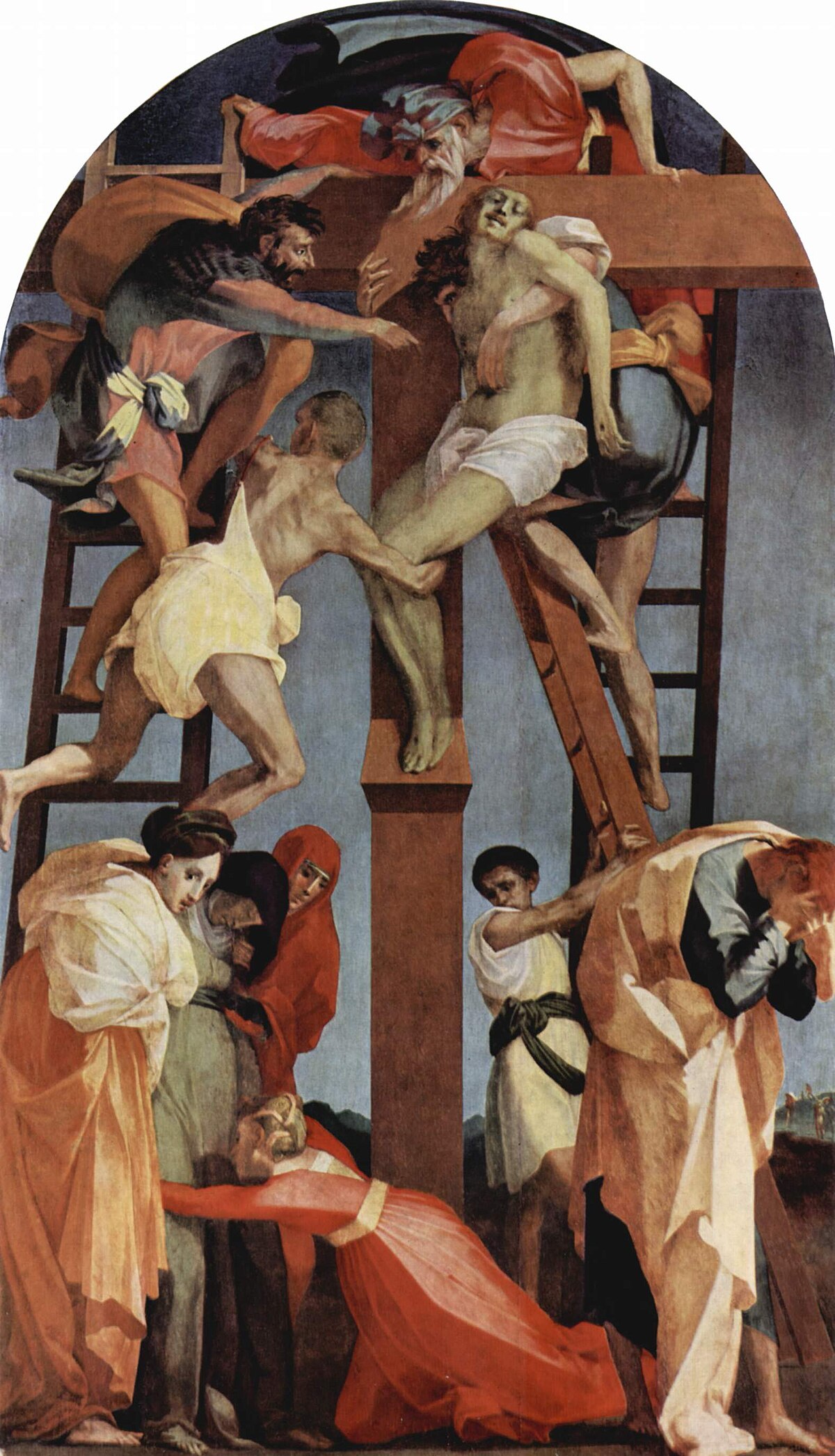
Barok se pojavio u osvit sedamnaestog veka kao smeo, emocionalno nabijen odgovor na suzdrzanu harmoniju renesanse. Njegovo rodjenje je bilo neodvojivo od protivreformacije, snazhne kampanje Katolicke crkve da ponovo uspostavi svoj duhovni autoritet nakon protestantskog izazova. Tridentski sabor (1545-1563) je odredio da religiozna umetnost treba da pokrene vernike ka poboznosti kroz jasnocu, emocionalnu direktnost i dramatican uticaj — a barokni umetnici su odgovorili delima neodoljivog culnog intenziteta. Crkve su bile ispunjene vrtloznim kompozicijama, blistavom svetloscu i figurama koje su kao da izbijaju iz svojih okvira, pozivajuci posmatraca ne samo da posmatra svete dogadjaje vec da ih oseca visceralno. Ipak, barok nikada nije bio iskljucivo religiozan; takodje je sluzio ambicijama apsolutnih monarha, od Kralja Sunca Luja XIV u Versaju do habsburskih vladara Spanije i Austrije, koji su koristili njegovu velicajnost za projektovanje slika nepokolebljive moci.
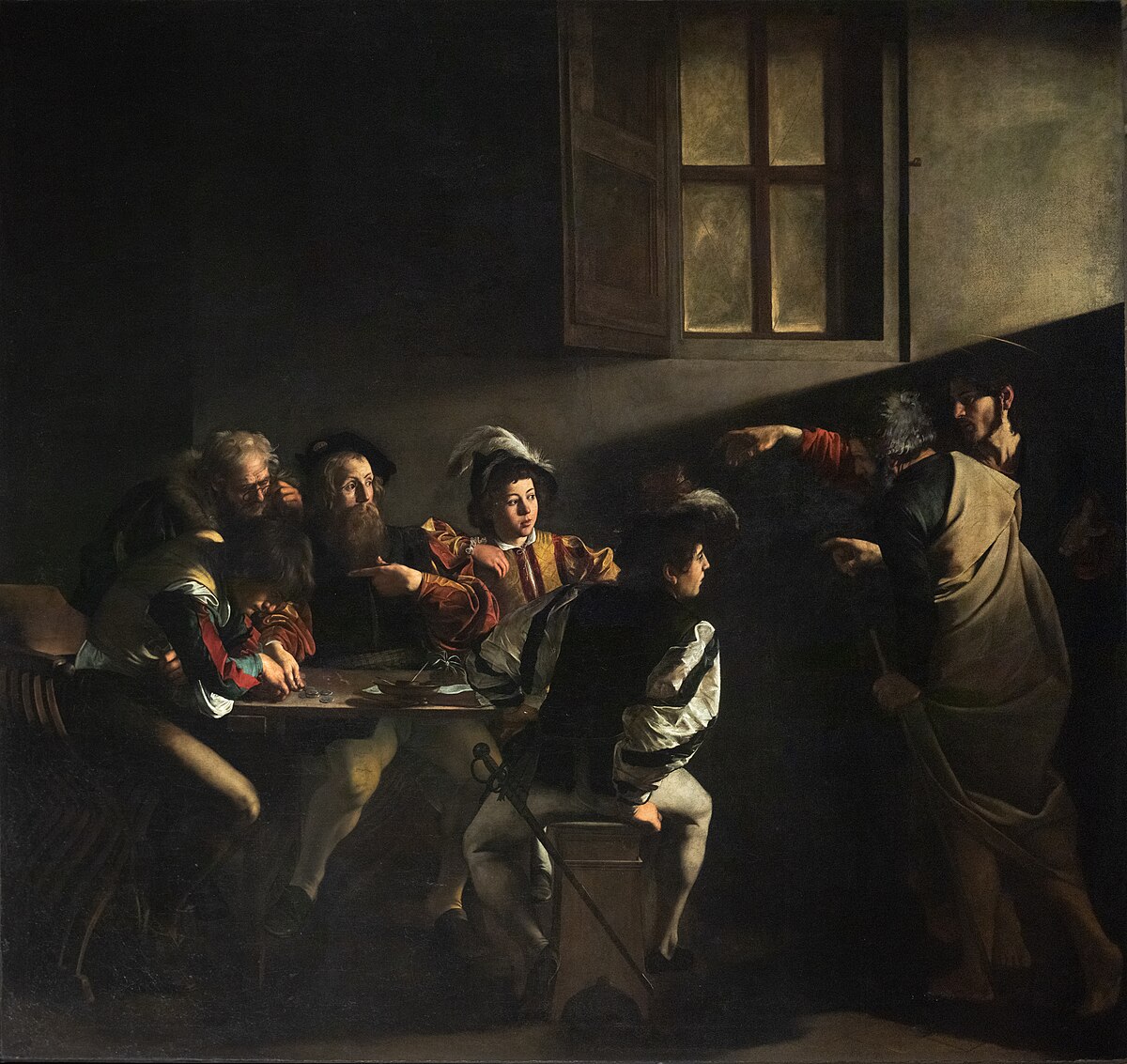
Nijedan umetnik ne otjelotvoruje revolucionarni duh ranog baroka potpunije od Mikelandjela Merizija da Karavadjija. Radeci u Rimu u poslednjim godinama sesnaestog veka, Karavadjio je razbio umetnicke konvencije slikajuci biblijske likove ne kao idealizovane junake vec kao obicne ljude sa ulice — radnike grubih ruku, izborane starce, bosonoge hodocastnike prljavih stopala. Njegova upotreba tenebrizma, tehnike potapanja veceg dela kompozicije u duboku senku dok kljucne figure osvetljava ostrom, kosim svetloscu, dala je njegovim slikama elektrizujuci dramaticni intenzitet. The Calling of Saint Matthew (1599-1600) hvata presudni trenutak preobraceenja jednostavnoscu snopa svetlosti koji preseca tamnu krcmu, pretvarajuci svakodnevnu scenu u bozanski susret. Karavadjiov uticaj je bio ogroman i neposredan: u roku od jedne decenije od njegovih ranih radova, “karavadjisti” — sledbenici njegovog stila — pojavili su se sirom Italije, Spanije, Francuske i Holandije.
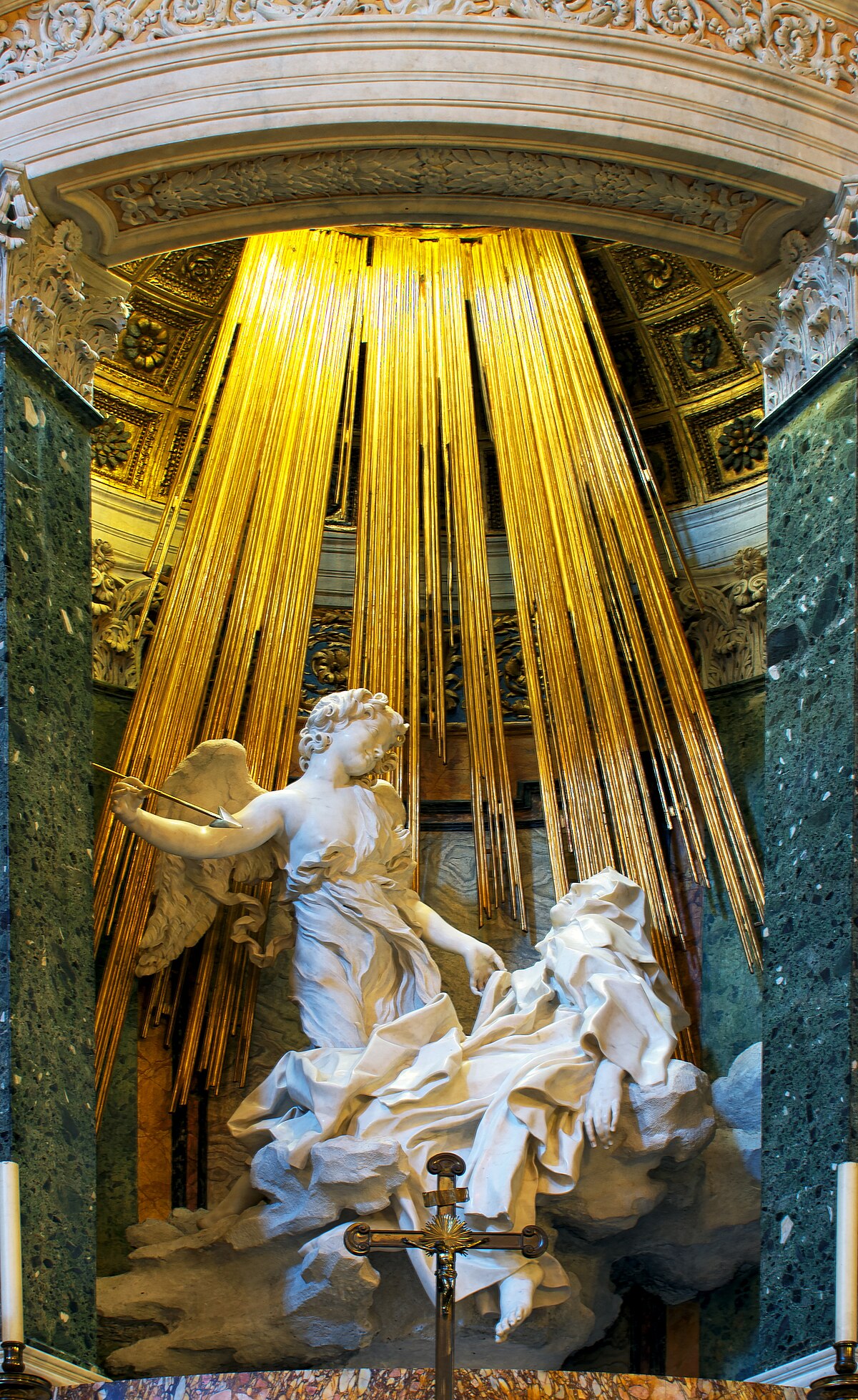
Dzan Lorenzo Bernini je doveo teatralne ambicije baroka do njihovog najpunijeg izraza u skulpturi i arhitekturi. Njegova Ecstasy of Saint Teresa (1647-1652), postavljena u kapeli Kornaro crkve Santa Marija dela Vitorija u Rimu, nije samo skulptura vec celokupno okruzenje: svetica pada u nesvest na oblaku od mermera dok nasmejani andjeo sprema da joj probode srce zlatnom strelom, dok skriveni prozori iznad bacaju prirodnu svetlost na pozlacene bronzane zrake koje kao da struje sa samog neba. Clanovi porodice Kornaro, isklesani u mermeru, posmatraju iz teatarskih loza sa obe strane, brisuci granicu izmedju svete vizije i teatralnog performansa. Berninijev genije se prostirao na arhitekturu i urbanisticko planiranje — njegova sivajuca kolonada koja obgrljuje trg Bazilike Svetog Petra ostaje jedno od najupecatljivijih prostornih iskustava u zapadnoj arhitekturi, dizajnirano da hodocastnici osete da su doslovno zagrljeni rukama Crkve.
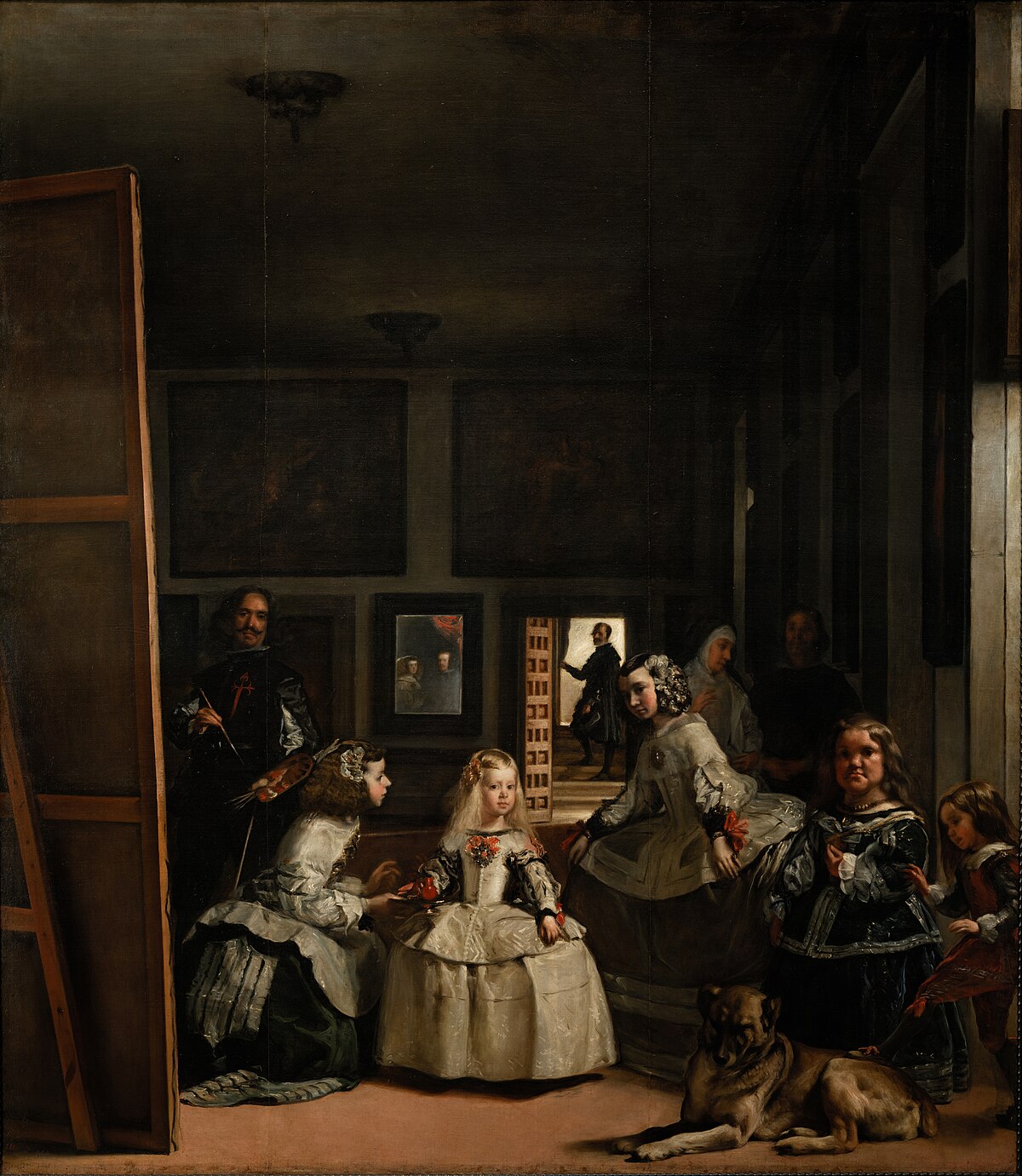
Na spanskom dvoru, Dijego Velaskez je razvio osobenu baroknu viziju utemeljenu na gotovo natprirodnoj moci zapazanja. Njegovo remek-delo Las Meninas (1656) jedno je od najanaliziranijih slika u istoriji umetnosti — slozena meditacija o gledanju, reprezentaciji i odnosu izmedju umetnika, subjekta i posmatraca. Slika prikazuje mladu infantu Margaritu okruzenu njenim dvorskim damama (meninas), dok sam Velaskez stoji pred velikim platnom, naizgled slikajuci kralja i kraljicu, koji su vidljivi samo kao odraz u ogledalu na zadnjem zidu. Rezultat je efekat dvorca ogledala koji uvlaci posmatraca u prostor slike. Velaskezov slobodan, tecni potez cetke — koji se izbliza raspada u gotovo apstrakciju, ali se na daljinu razresava u savrsenu jasnocu — proucavali su i postovali slikari od Manea do Pikasa.
Barokna arhitektura je preobrazila gradove Evrope zgradama i javnim prostorima dizajniranim da izazovu strahopostovanje. U Rimu, crkve Francheska Borominija — poput San Karla ale Kuatro Fontane — zamenile su prave linije i prave uglove renesansne arhitekture talasastim zidovima, slozenim krivinama i inventivnim geometrijskim planovima koji su kamen cinili kao da tece poput tecnosti. Iluzionisticke tavanicne slike, poput zapanjujuceg svoda Andree Poca u Sant’Injaciju, rastopiie su granicu izmedju arhitekture i naslikanog neba, stvarajuci iluziju beskonacnog nebeskog prostora koji se otvara iznad glave posmatraca. Izvan Italije, barok se prilagodio lokalnim tradicijama: u Francuskoj je poprimio suzdrzaniji, klasicisticki karakter, dostigavsi svoj najgrandozniji izraz u Versajskoj palati; u Srednjoj Evropi i Latinskoj Americi eksplodirao je u bujno ornamentalno bogatstvo. U svakom kontekstu, barok je imao za cilj da savlada cula, uzburka emocije i ostavi posmatraca u stanju divljenja.