Istorijski kontekst
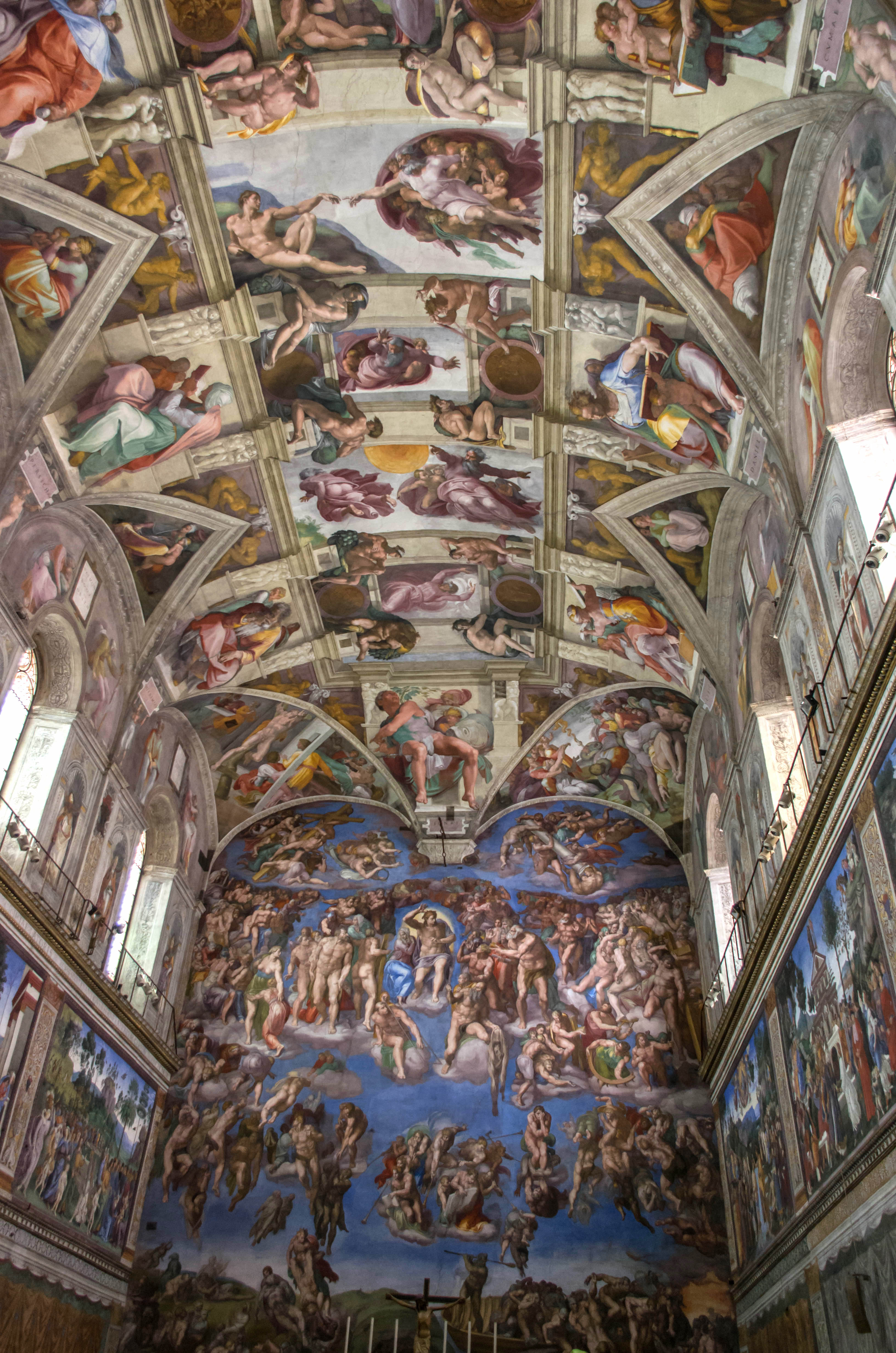
Plafon Sikstinske kapele, koji je naslikao Mikelanđelo Buonaroti između 1508. i 1512. godine, predstavlja jedan od najambicioznijih i tehnički najzahtevnijih poduhvata u istoriji umetnosti — približno 520 kvadratnih metara freske pokriva krstasti svod papske kapele u Vatikanu, prikazujući biblijsku pripovest o Postanju kroz preko trista figura izvanredne anatomske snage i izražajnog intenziteta. Narudžbina je došla od pape Julija II, ratničkog pape čije je pokroviteljstvo obuhvatalo i Rafaelove Vatikanske stance i novu baziliku Svetog Petra, i čiji je odnos sa Mikelanđelom bio poznat po svojoj burnoj intenzivnosti. Julijeva prvobitna zamisao bila je relativno skromna — dvanaest figura apostola u pandantivima, sa dekorativnim šarama na svodu — ali Mikelanđelo, koji se smatrao prvenstveno vajarom i koji se u početku opirao narudžbini, ubedio je papu da dozvoli daleko ambiciozniji program. Rezultat je bio slikan arhitektonski okvir od fiktivnih mermernih prestola, pilastara i korniša naseljen zapanjujućim nizom figura: devet narativnih scena iz Postanja, dvanaest proroka i sibila, dvadeset nagih mladića (ignudi) i brojne pomoćne figure, sve organizovane u složenu teološku i estetsku celinu.
Devet scena iz Postanja, raspoređenih u tri trijade duž centralne ose svoda, pripovedaju priču o stvaranju, padu i božanskom savezu. Prva trijada — Razdvajanje svetlosti od tame, Stvaranje Sunca, Meseca i biljaka, i Razdvajanje kopna od vode — prikazuje Boga kao figuru titanskog stvaralačkog elanа, čije telo se uvija i probija kroz bezobličnu prazninu sa fizičkim dinamizmom koji graniči sa nasiljem. Druga trijada — Stvaranje Adama, Stvaranje Eve, i Pad i proterivanje iz Raja — prelazi sa kosmičkog na ljudski plan, pri čemu Stvaranje Adama u centru svoda služi kao emocionalni i kompozicioni oslonac čitavog programa. Treća trijada — Noina žrtva, Potop i Noino pijanstvo — prikazuje posledice ljudskog greha i obnovu božanskog saveza. Ovo obrnuto hronološko čitanje (od zida oltara ka ulazu) znači da posetilac koji ulazi u kapelu nailazi na pripovest u obrnutom smeru, krećući se od palog čovečanstva ka prvobitnom činu stvaranja — napredovanje od greha ka milosti koje se poklapa sa liturgijskom funkcijom kapele.
Stvaranje Adama — verovatno najikoničnija pojedinačna slika u zapadnoj umetnosti — ilustruje izvanrednu sintezu teološkog sadržaja i formalne inventivnosti koja karakteriše plafon. Kompozicija svodi složenu biblijsku pripovest Postanja 2:7 na jedan elektrizujući gest: Bog, nošen anđelima unutar vijugavog plašta čiji obris je uverljivo protumačen kao poprečni presek ljudskog mozga (zapažanje koje je prvi objavio lekar Frenk Mešberger 1990. godine), pruža svoju desnu ruku ka mlitavoj, ležećoj figuri Adama, čija leva ruka odslikava Božju, ali sa manje snage, manje volje. Prsti koji se gotovo dodiruju — razdvojeni razmakom koji je istovremeno beskonačno mali i beskonačno veliki — postali su univerzalna vizuelna metafora za odnos između ljudskog i božanskog, trenutak kada je božanska stvaralačka energija na ivici da udahne život inertnoj materiji. Adamovo telo, oblikovano sa anatomskom preciznošću majstora koji je secirao leševe i opsesivno proučavao muskulaturu, otelotvoruje paradoks ljudske prirode u hrišćanskoj teologiji: vrhunski lepo, a opet još uvek ne potpuno živo, savršeno u formi, ali zavisno od božanske milosti za svoju animaciju.
Formalna analiza
Suprotno upornom popularnom mitu da je Mikelanđelo slikao plafon ležeći na leđima, radio je stojeći uspravno na posebno projektovanoj skeli, sa glavom zabačenom unazad i rukom podignutom iznad sebe — u položaju koji je bio fizički mučan, ali koji je omogućavao preciznost poteza četke koju je tehnika freske zahtevala. Buon freska zahteva od umetnika da nanese pigmente na bazi vode direktno na svežu, mokru maltersku podlogu (intonako), radeći deo po deo (đornata) pre nego što se malter osuši, obično u toku jednog radnog dana. Tehnika ne dozvoljava ispravke — greške se moraju odseći i malter ponovo naneti — i zahteva apsolutnu sigurnost ruke i kompozicionog planiranja. Mikelanđelov pripremni proces uključivao je kartone u punoj veličini (crteže iste veličine kao konačna kompozicija), čije su konture prenošene na mokru maltersku podlogu probijanjem sitnih rupica duž linija i posipanjem ugljenim prahom (spolvero) ili urezivanjem linija direktno u malter šilom. Fizički danak četvorogodišnje kampanje bio je ozbiljan: Mikelanđelo je u poznatom sonetu opisao kako mu je telo „savijeno poput luka”, sa bojom koja mu kaplje u oči i vratom trajno napregnuim, „moja četka iznad mog lica neprestano / pretvara ga u sjajan pod kapajući nadole.”
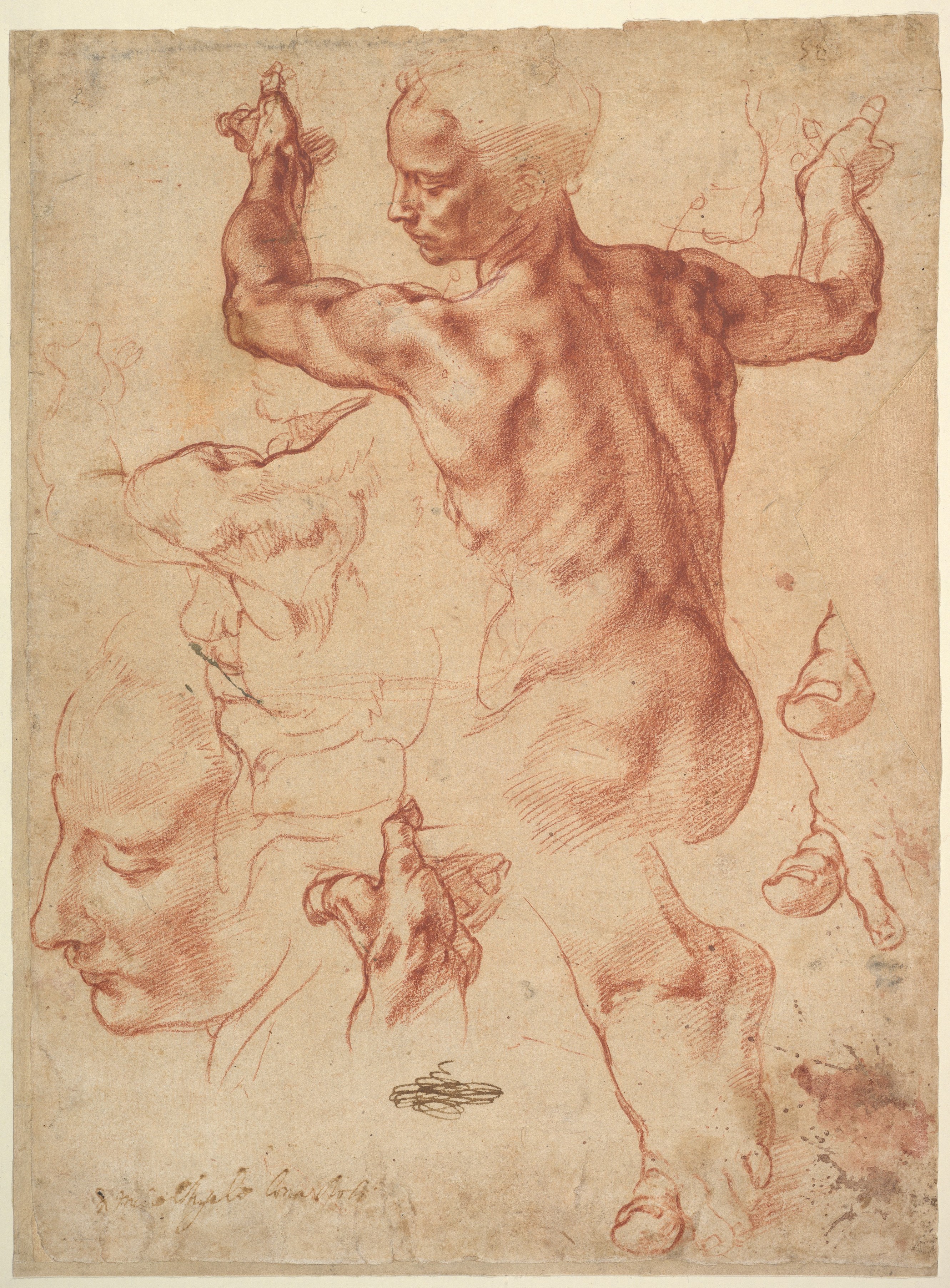
Dvanaest proroka i sibila — sedam starozavetnih proroka i pet paganskih sibila — postavljenih na masivnim prestolima u pandantivima uz centralne narativne scene, predstavljaju neke od najmonumentalnijih figura u istoriji slikarstva. Svaka je zamišljena kao poseban psihološki i fizički tip: Delfska sibila, mlada i budna, okreće se širom otvorenih očiju kao da je iznenadila proročka vizija; Libijska sibila, jedna od anatomski najsmelijih figura na plafonu, uvija svoje veličanstveno telo da zatvori veliku knjigu, njena muskulatura prikazana sa vajarskom preciznošću koja otkriva Mikelanđelovo proučavanje muškog modela (pripremni crtež crvenom kredom u Metropoliten muzeju umetnosti je jedan od njegovih najslavnijih listova); prorok Jeremija se pogrbljeno predaje melanholičnom razmišljanju, njegovo masivno telo opterećeno predznanjem o uništenju Jerusalima; prorok Jona, direktno iznad oltara, naginje se unazad u zaprepašćenju od svog izbavljenja iz utrobe kita, njegovo telo skraćeno sa zadivljujućom smelošću naspram zakrivljene površine svoda.
Ikonografija i simbolika
Dvadeset ignudija — nagih muških mladića postavljenih na naslikane korniše uz centralne narativne scene — ostaju najdebatovaniji elementi programa. Oni drže naslikane medaljoone i girlande od hrastovog lišća (referenca na porodično ime Julija II, dela Rovere, što znači „od hrasta”), ali njihova tačna ikonografska funkcija je nejasna: tumačeni su kao anđeli, personifikacije racionalnih duša, otelotvorenja idealnog lepote u neoplatonskoj tradiciji, ili jednostavno kao izrazi Mikelanđelove doživotne preokupacije herojskim muškim telom. Njihovi položaji, koji se kreću od opuštene lakoće do dinamičnog uvrtanja, prikazuju enciklopedijski raspon anatomskih mogućnosti, pri čemu je svaka figura studija artikulacije muskulature, raspodele težine i izražajnog potencijala muškog oblika. Ignudi imaju ključnu kompozicionu funkciju, posredujući između kosmičke skale narativa o Postanju i arhitektonske iluzije naslikanog okvira, a njihovo fizičko prisustvo usidruje vizionarski sadržaj za telo — nesvodivi temelj Mikelanđelove umetnosti.
Recepcija i nasleđe
Kontroverzna restauracija plafona Sikstinske kapele, sprovedena između 1980. i 1994. godine od strane tima koji je predvodio Đanluiđi Kolaluči pod pokroviteljstvom Nipon televizije, suštinski je izmenila moderno razumevanje Mikelanđelove boje. Čišćenje je uklonilo vekove čađi od sveća, životinjskog lepka nanesenog u prethodnim restauracijama i potamnelog laka, otkrivajući boje zapanjujućeg intenziteta — žive ružičaste, kiselo zelene, električno plave i blistavo narandžaste koje nisu imale nikakve sličnosti sa prigušenom, tamnom paletom koju su generacije naučnika i posetilaca pretpostavljale da je bila Mikelanđelova namera. Restauracija je izazvala žestoku debatu: pristalice su tvrdile da je pravi Mikelanđelo — smeli kolorist čija je paleta rivalizovala sa venecijanskom — bio ponovo otkriven; kritičari, uključujući istoričare umetnosti Džejmsa Beka i Aleksandera Eliota, tvrdili su da je čišćenje uklonilo originalne a seko (suhe) završne slojeve koje je Mikelanđelo nanosio preko buon freske da bi modulirao tonove i produbio senke, čime je suštinski izmenjen nameravani efekat umetnika. Ova debata, još uvek nerešena, dotiče se najdubljih pitanja filozofije konzervacije: šta čini „autentično” stanje umetničkog dela koje se neprekidno menjalo od svog nastanka? Poređenje plafona sa kasnijim Strašnim sudom (1536-1541) na oltarnom zidu — naslikаnim dvadeset pet godina kasnije, tamnijim i turbulentnijim stilom koji odražava i Mikelanđelovu sopstvenu duhovnu krizu i traumu Pljačke Rima (1527) — pruža snažnu studiju evolucije vizije jednog umetnika, od pouzdanog slavljenja božanskog stvaranja na plafonu do mučne vizije kosmičkog obračuna na Strašnom sudu.