Istorijski kontekst
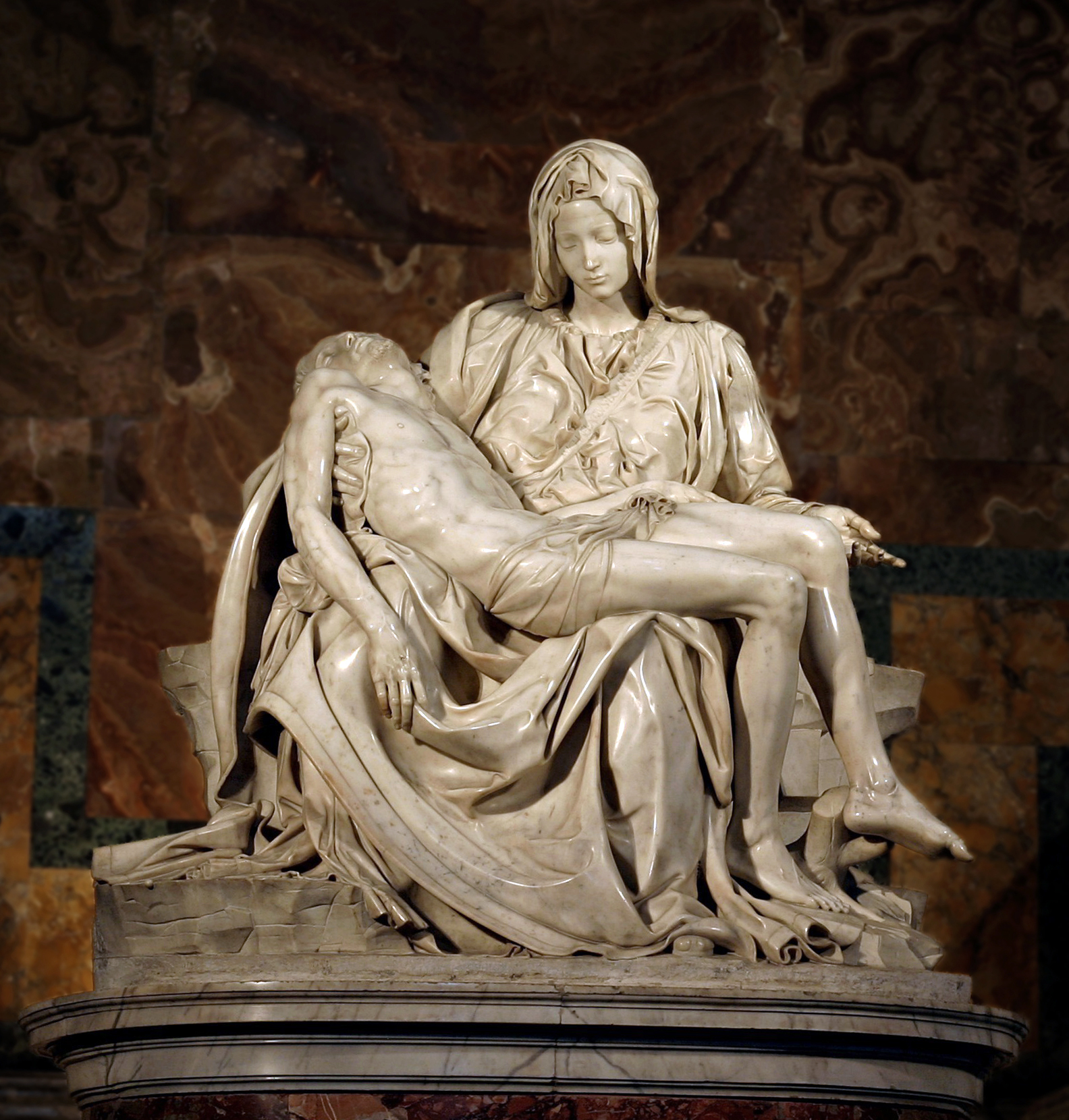
Pijeta, koju je Mikelanđelo Buonaroti klesao između 1498. i 1499. godine, stoji kao jedno od vrhunskih dostignuća renesansne skulpture i delo koje je uspostavilo reputaciju dvadesetrogodišnjeg umetnika kao najvećeg vajara svog doba. Narudžbina je došla od Žana de Bilijera de Lagraula, francuskog kardinala i ambasadora pri Svetoj stolici, koji je sa Mikelanđelom sklopio ugovor 27. avgusta 1498. za izradu „obučene Device Marije sa mrtvim Hristom u njenom naručju” za svoju pogrebnu kapelu u staroj bazilici Svetog Petra. Ugovor je precizirao da delo treba biti „najlepše delo od mermera u Rimu, takvo da nijedan živući umetnik ne bi mogao nadmašiti”, i predvideo završetak u roku od godinu dana za naknadu od 450 zlatnih dukata. Mikelanđelo je lično putovao u kamenolome kod Karare da odabere jedan, besprekoran blok mermera, provodivši osam meseci tražeći materijal dovoljnog kvaliteta i veličine. Gotova skulptura, visoka 174 centimetra i široka 195 centimetara u osnovi, prikazuje telo mrtvog Hrista prebačeno preko krila Device Marije, temu poznatu kao Pijeta (od italijanskog za „sažaljenje” ili „saosećanje”) koja je imala duboke korene u severnoevropskoj devocionalnoj umetnosti, ali je retko pokušavana u monumentalnoj skali u italijanskoj skulpturi.
Formalna analiza
Kompozicija je organizovana unutar piramidalne strukture — geometrijske šeme koja će postati jedan od definišućih formalnih principa umetnosti visoke renesanse. Bogorodičina glava formira vrh piramide, njena široko drapirana mantija kaskadno se širi nadole stvarajući široku, stabilnu osnovu. Unutar ove geometrije, Hristovo telo opisuje složenu dijagonalu, njegovo telo nagnuto ka levoj strani posmatrača, njegove noge se protežu udesno, njegova desna ruka visi opušteno u pasažu briljantnog naturalističkog klesanja. Efekat je istovremeno monumentalan i intiman: piramidalna struktura daje grupi arhitektonsku grandioznost primerenu njenom mestu u najvećoj crkvi hrišćanstva, dok nežnost Marijinog pogleda nadole i blagi način na koji njena leva ruka otvara u gestu prezentacije — nudeći žrtvu svog sina posmatraču — stvara raspoloženje privatne, kontemplativne tuge. Odnos između dve figure je istovremeno majčinski i liturgijski: Marija je istovremeno i majka koja tuguje i oltar na kome je žrtveno telo predstavljeno.
Ikonografija i simbolika
Najupečatljiviji i najčešće komentarisani aspekt Pijete je mladolika lepota Bogorodičinog lica. Marija izgleda jedva starije od svog sina, crte joj glatke i bez bora, izraz joj je spokojnog prihvatanja umesto mučne tuge prikazane u severnoevropskim Vesperbild skulpturama koje su pružile ikonografski presedan za temu. Kada mu je prigovoreno zbog ovoga — Vazari beleži da su kritičari zamerali očiglednu starosnu neusklađenost — Mikelanđelo je ponudio teološko opravdanje: „Zar ne znate da čedne žene ostaju sveže mnogo duže od onih koje to nisu? Koliko tek u slučaju Device, koja nikada nije iskusila ni najmanju pohotnu želju koja bi mogla promeniti njeno telo?” Ovo objašnjenje crpi iz duge tradicije marijanske teologije koja je razumela Bogorodičinu večitu devičanstvo kao dar fizičke neraspadljivosti, njeno telo netaknuto raspadanjem koje prati greh. Mladoliko lice tako funkcioniše ne kao naturalistički portret, već kao teološka izjava — slika same milosti, ljudske prirode očuvane u njenom izvornom, nepalomljenom savršenstvu.
Tehnička virtuoznost klesanja je izvanredna čak i po Mikelanđelovim standardima. Skulptura prikazuje izvanredan raspon površinskih obrada, od visokog sjaja Hristove idealizovane puti — glatke, blistave, gotovo prozirne u načinu na koji hvata i raspršuje svetlost — do dubokih, grubo klesanih kanala Bogorodičine obimne draperije, koji stvaraju dramatične kontraste svetla i senke. Nabori Marijinog vela klesani su sa delikatnošću koja kao da prkosi prirodi materijala, mermer deluje mekan i savitljiv poput stvarne tkanine. Hristova anatomija, iako idealizovana, demonstrira Mikelanđelovo intimno poznavanje ljudske muskulature, verovatno stečeno kroz disekcije koje je vršio u bolnici Santo Spirito u Firenci oko 1492. — opušteni mišići mrtvog tela, vidljive tetive vrata, naturalistički prikaz grudnog koša, sve je anatomski precizno. Pet rana raspeća naznačeno je sa uzdržanošću: malim, čistim urezima umesto zjapećim ranama, održavajući fizičku lepotu tela čak i u smrti.
Pijeta zauzima jedinstveno mesto u Mikelanđelovom opusu: to je jedino delo koje je ikada potpisao. Prema Vazarijevom zapisu, Mikelanđelo je čuo posetioce kako pripisuju skulpturu milanskom vajaru Kristoforu Solariju (poznatom kao „Il Gobbo”) i, uvređen pogrešnom atribucijom, vratio se u baziliku te noći i uklesao natpis „MICHAEL.A[N]GELVS BONAROTVS FLORENT[INVS] FACIEBA[T]” („Mikelanđelo Buonaroti, Firentinac, napravio je ovo”) preko pojasa koji dijagonalno prelazi preko Bogorodičinih grudi. Upotreba imperfekta „faciebat” (pravio je) umesto perfekta „fecit” (napravio je) namerna je referenca na odlomak iz Plinijeve Prirodne istorije koji opisuje kako je antički grčki slikar Apel potpisivao svoja dela imperfektom da sugeriše da delo uvek napreduje, nikada zaista nije završeno — tvrdnja umetničke skromnosti koja istovremeno postavlja Mikelanđela u lozu najvećih umetnika antike. Vazari dodaje da je Mikelanđelo kasnije požalio taštinu tog čina i odlučio da nikada više ne potpiše nijedno delo.
Odnos skulpture prema severnoevropskoj Vesperbild tradiciji je značajan i složen. Pijeta — slika Bogorodice koja tuguje nad telom mrtvog Hrista — nastala je u nemačkim govornim oblastima u ranom četrnaestom veku, gde su male devocione skulpture poznate kao Vesperbilder (slike vespera, nazvane tako jer su bile povezane sa molitvama na Veliki petak) prikazivale Marijinu tugu u izrazito emocionalnim, često grafički fizičkim terminima: Hristovo telo mršavo i iskrivljeno, rane zjapeće, Marijino lice iskrivljeno u agoniji. Ova dela, dizajnirana da izazovu empatijsku identifikaciju sa Bogorodičinom patnjom, davala su prednost emocionalnom utisku nad anatomskom tačnošću ili estetskom lepotom. Mikelanđelova Pijeta potpuno transformiše ovu tradiciju, zamenjujući severni ekspresionizam klasičnim idealizmom, spokoj umesto patnje, i uzdižući devocioni tip slike u monumentalno delo visoke umetnosti. Francusko poreklo narudžbine — kardinal de Bilijer bio je iz regije Langdok — može objasniti izbor ove karakteristično severne teme, dok italijanska izvedba objašnjava njenu klasičnu transformaciju.
Dana 21. maja 1972. mentalno poremećeni geolog po imenu Laslo Tot napao je Pijetu čekićem, udarivši je petnaest puta uz povike „Ja sam Isus Hrist — uskrsao iz mrtvih!” Napad je razbio Bogorodičinu levu ruku u laktu, odlomio nos i oštetio levi kapak i veo. Restauracija, završena 1973. od strane vatikanskog tima koji je vodio Deoklesio Redig de Kampos, koristila je fragmente prikupljene sa poda bazilike i mermernu prašinu pomešanu sa poliesterskom smolom za rekonstrukciju oštećenih delova. Restaurirana skulptura vraćena je u svoju kapelu iza neprobojnog stakla, okončavši vekove direktnog fizičkog pristupa. Nekoliko fragmenata nikada nije pronađeno, a restauracija, koliko god bila veštinom izvedena, neizbežno je izmenila deo originalne površine — spoj ponovo prikačene leve ruke, na primer, ostaje blago vidljiv pri bliskom ispitivanju. Napad je naveo Vatikan da primeni trajne mere zaštite, i Pijeta je od tada ostala iza svog staklenog štita, koju posmatraju milioni posetilaca koji prolaze kroz baziliku Svetog Petra svake godine.
Recepcija i nasleđe
Položaj Pijete unutar bazilike Svetog Petra menjao se više puta tokom vekova, odražavajući sopstvenu transformaciju zgrade. Prvobitno instalirana u Kapeli svete Petronile u staroj konstantinovskoj bazilici, premeštena je tokom rušenja stare bazilike Svetog Petra u ranom šesnaestom veku i potom višestruko premeštana unutar nove bazilike koju su dizajnirali Bramante, sam Mikelanđelo (koji je služio kao glavni arhitekta od 1547. do smrti 1564.) i Karlo Maderno. Od 1749. zauzima prvu kapelu na desnoj strani broda, Kapelu Pijete, gde počiva na mermernom postamentu koji je dizajnirao Frančesko Boromini. Trenutni položaj, iako pruža vidljivost ogromnim gužvama koje svakodnevno prolaze, znači da se skulptura obično posmatra sa distance i pod kosim uglom koji se značajno razlikuje od frontalnog, intimnog susreta za koji je delo osmišljeno. Ipak, Pijeta ostaje među najposećenijim i najdublje poštovanim umetničkim delima na svetu, njena fuzija tehničkog savršenstva, teološke dubine i emocionalne snage neusmanjena nakon više od pet vekova.