Istorijski kontekst
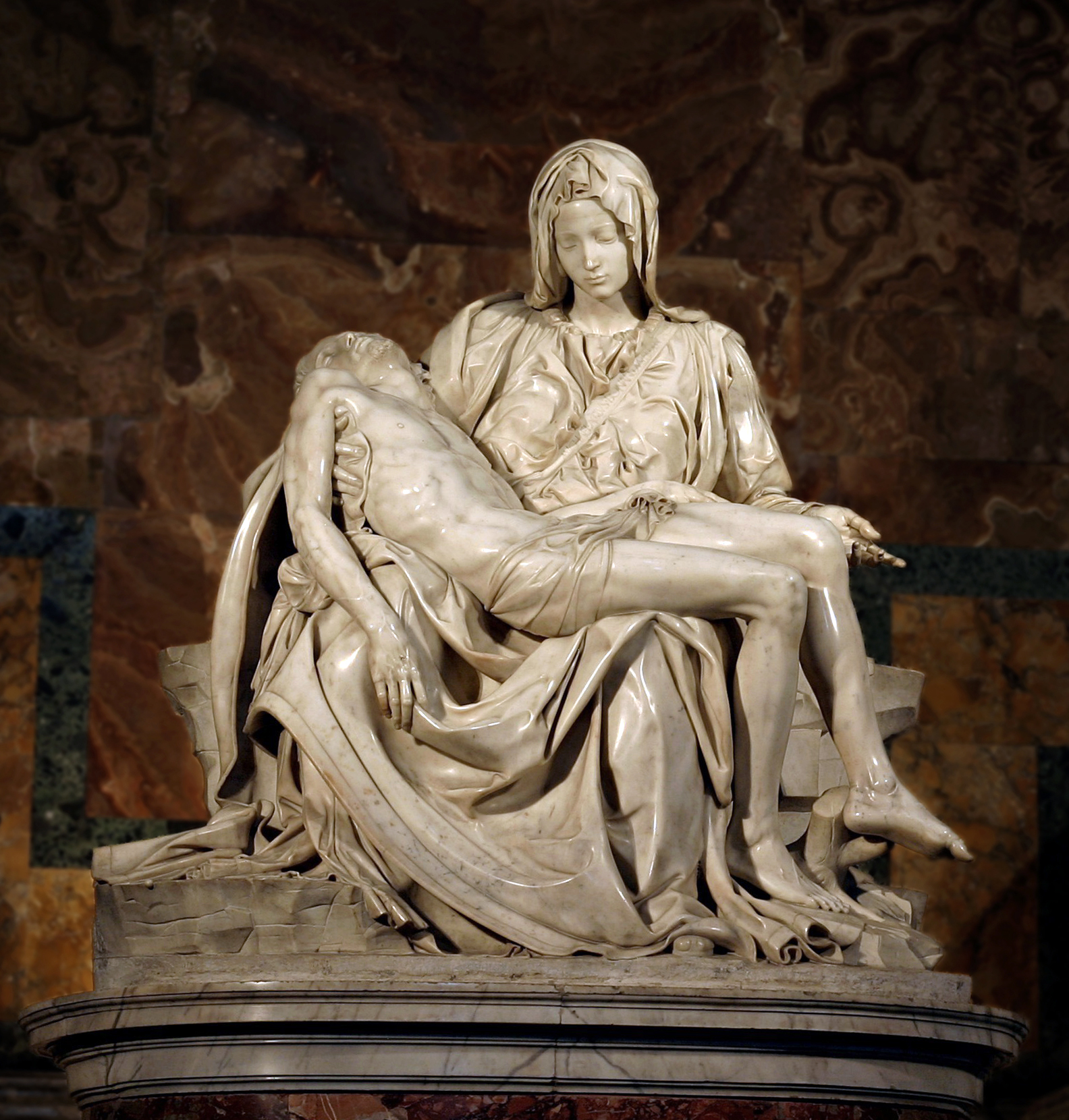
Mikelanđelov David, dovršen 1504. godine, najslavnija je skulptura renesanse i jedno od vrhunskih ostvarenja zapadne umetnosti — kolosalna mermerna figura koja je transformisala biblijski motiv u izjavu građanskog identiteta, umetničke ambicije i ekspresivnog potencijala ljudskog tela. Poreklo statue leži u narudžbini Opera del Duomo (upravnog odbora firentinske katedrale) za monumentalnu figuru koja će biti postavljena visoko na jednom od spoljnih kontrafora katedrale, kao deo serije starozavetnih proroka i heroja planirane od ranog petnaestog veka. Mermerni blok dodeljen projektu — masivni stub kararskog mermera visok gotovo pet i po metara, vađen 1464. — već je porazio dva prethodna vajara: Agostina di Dučija, koji je grubo obradio donje delove 1463-1464. pre nego što je napustio rad, i Antonija Roselinija, koji je nakratko angažovan 1476. ali se takođe povukao. Blok, poznat kao „il Gigante” (Džin), ležao je zanemaren u katedralskoj radionici dvadeset pet godina, njegova plitka dubina i postojeći zaseci postavljajući izazov koji nijedan vajar nije želeo da prihvati, sve dok dvadesetšestogodišnji Mikelanđelo, već slavan po rimskoj Pijeti (1498-1499), nije prihvatio narudžbinu u avgustu 1501.
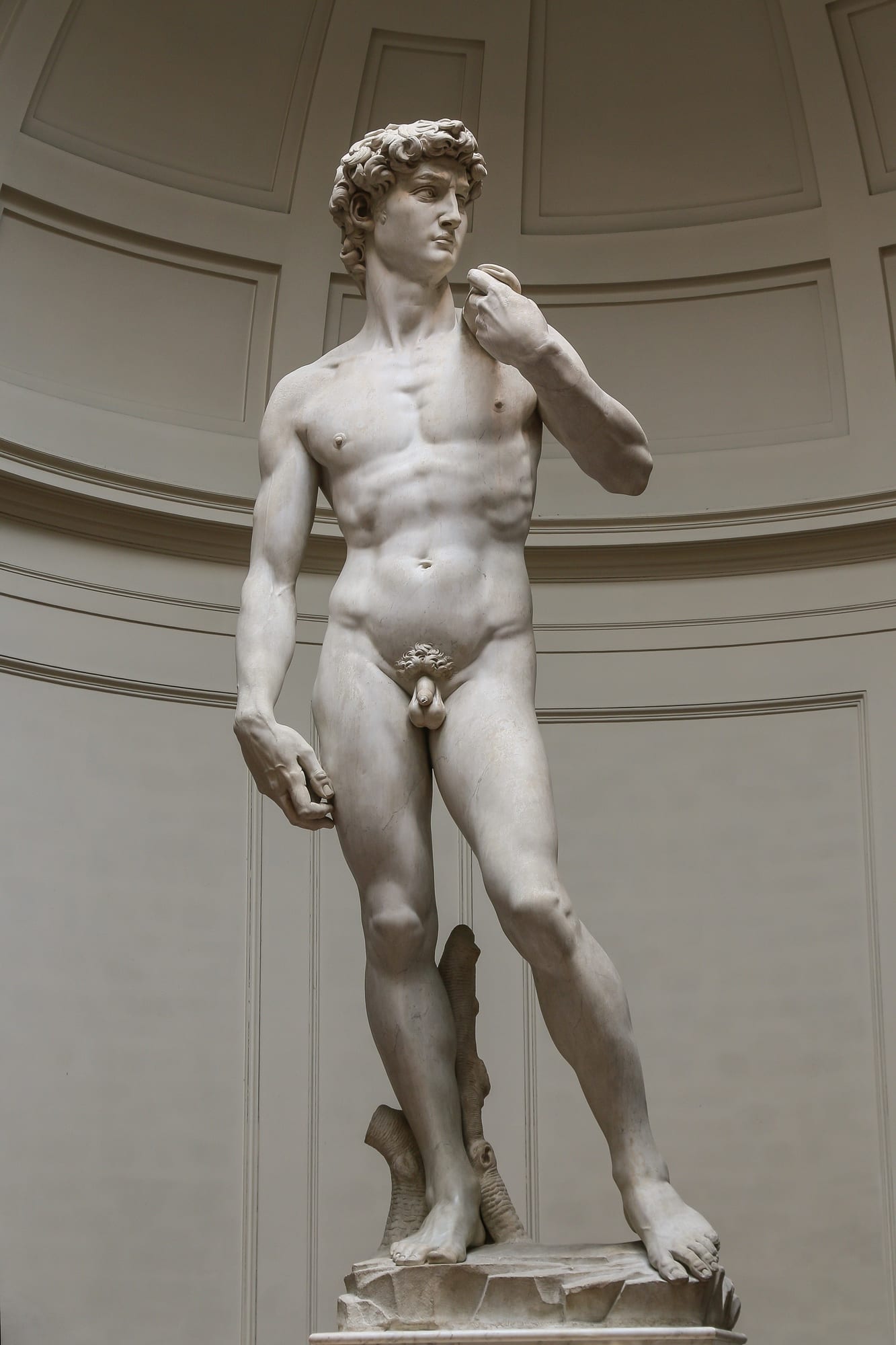
Mikelanđelova najradikalnija odluka bio je izbor narativnog trenutka. Dok su raniji firentinski vajari — Donatelo u svom bronzanom Davidu (oko 1440-ih) i Verokijo u svom bronzanom Davidu (oko 1473-1475) — prikazivali heroja nakon pobede, kako stoji nad odsečenom Golijatovom glavom, Mikelanđelo je izabrao da prikaže trenutak pre bitke: David zuri ka svom nevidljivom protivniku sa izrazom intenzivne koncentracije, njegovo telo napeto od suzdržane energije, praćka prebačena preko levog ramena sa kamenom skrivenim u desnoj ruci. Ovo vremensko pomeranje transformiše temu iz narativa završene akcije u portret psihološke spremnosti — posmatrač susreće ne trijumfalnog ratnika, već mladog čoveka na pragu definirajućeg čina, čija su hrabrost i rešenost čitljivi u napetosti njegovih mišića, naborima na čelu i fokusiranom intenzitetu njegovog pogleda. Izbor je takođe nosio političku rezonancu u republikanskoj Firenci, gde je priča o pastiru koji je pobedio džina hrabrošću i božanskim blagoslovom bila shvaćena kao alegorija otpora malog grada-države prema većim, moćnijim neprijateljima.
Formalna analiza
Anatomski prikaz figure predstavlja Mikelanđelovu najtemeljniju meditaciju o ekspresivnim mogućnostima ljudskog tela. David stoji u izraženom kontrapostu — težina na desnoj nozi, leva noga opuštena i blago pomerena napred — koji priziva klasičnu tradiciju Poliklejta i Praksitela, ali je pojačava do neviđenog dramatskog efekta. Desna ruka, upadljivo predimenzionirana u proporciji prema telu, visi sa strane figure sa vidljivo nabreklim venama i zategnutim tetivama, prsti savijeni oko kamena u stisku koncetrisane sile. Leva ruka, podignuta da uhvati kajiš praćke preko ramena, stvara kompozicionu dijagonalu koja vodi pogled od opuštenog levog stopala naviše kroz torzo do budne, blago okrenute glave. Muskulatura je prikazana sa kliničkom preciznošću — sternokleidomastoidni mišić vrata izrazito se ističe dok se glava okreće; spoljašnji kosi i pravi trbušni mišić artikulisani su sa anatomskom specifičnošću; vene podlaktica i tetive ruku isklesani su sa minucioznošću koja odaje Mikelanđelovo ekstenzivno proučavanje ljudske disekcije. Pa ipak, ovaj anatomski realizam podređen je sveobuhvatnoj idealizaciji: telo je usavršeno, njegove proporcije suptilno prilagođene (glava i ruke su neznatno uvećane da bi bile čitljive odozdo), površina polirana do sjajne glatkoće koja prevazilazi posebnosti bilo kog individualnog modela.
Proporcionalne anomalije Davida — posebno prevelika glava i ruke — generisale su naučnu diskusiju od samog otkrivanja statue. Ova uvećanja su gotovo izvesno bila namerne kompenzacije za ugao posmatranja: figura je prvobitno bila namenjena za poziciju visoko na kontrafortovu katedrale, sa koje perspektive bi gornji deo tela izgledao smanjeno i ruke i glava bi morale biti proporcionalno veće da bi se korektno čitale na pozadini neba. Kada je komisija firentinskih umetnika — uključujući Leonarda da Vinčija, Botičelija, Filipina Lipija i Peruđina — zasedala u januaru 1504. da odredi konačno mesto statue, oni su odbacili lokaciju na kontraforu u korist pozicije u prizemlju pred ulazom u Palazzo della Signoria (danas Palazzo Vecchio), sedište firentinske republikanske vlade. Ova relokacija transformisala je Davida iz verskog ukrasa u građanski spomenik, pozicionirajući ga kao figuru čuvara na pragu političke moći i investirajući ga specifično republikanskom simbolikom — vrlog građanina-vojnika koji brani političko telo od tiranije.
Značaj i nasleđe
Javno postavljanje statue na Piazza della Signoria 8. septembra 1504. bio je i sam politički događaj. Porodica Mediči proterana je iz Firence 1494, a republika uspostavljena u njihovom odsustvu bila je pod konstantnom pretnjom i od spoljnih neprijatelja i od unutrašnjih frakcija. David, okrenut na jug ka Rimu (i, simbolički, ka papskoj i medičejskoj moći koja je pretila firentinskoj nezavisnosti), služio je kao deklaracija građanske vrline i prkosa. Njegova kolosalna razmera — bez presedana za slobodnostojeću mermernu figuru od antike — potvrđivala je ambicije firentinske republike i genijalnost njenih umetnika. Vazari beleži da je statua napadnuta kamenjem tokom pobune 1527. (kada su Mediči ponovo proterani), i leva ruka je polomljena na tri komada — događaj koji svedoči o Davidovoj snazi kao političkom simbolu, vrednovanom i napadanom ne kao puko umetničko delo, već kao otelotvorenje same države.
Poređenje sa dva ranija firentinska Davida osvetljava veličinu Mikelanđelove transformacije teme. Donatelov bronzani David — prva slobodnostojeća naga skulptura od antike — je androgina, gotovo mlitava figura, njegovo telo meko modelovano a izraz sanjarski, jedno stopalo položeno na Golijatovoj odsečenoj glavi u pozi čulnog trijumfa. Verokijev bronzani David je budniji i dečačkiji, njegov vitki okvir obučen u kožni oklop, izraz mu je mladenaačkog ponosa. Oba prikazuju adolescentne figure; oba uključuju Golijatovu glavu; oba su skromnih dimenzija, zamišljena za interijersko izlaganje. Mikelanđelov David napušta sve ove konvencije: on je potpuno zreo, herojiski proporcionisan muški akt kolosalne razmere, bez ijednog atributa svog protivnika, čiji se identitet komunicira isključivo kroz njegovo psihološko stanje i fizičku spremnost. Pomak od narativne ilustracije (posle pobede) ka psihološkom portretisanju (trenutak odluke) predstavlja fundamentalan konceptualni napredak — prepoznavanje da istinski predmet umetnosti nije spoljašnja akcija, već unutrašnje iskustvo, ne događaj, već ljudska svest koja mu se suočava.
David je premešten sa Piazza della Signoria u namenski izgrađenu tribunu Galerije Akademije 1873. da bi bio zaštićen od vremenskih uticaja i oštećenja, a mermerna replika postavljena je na njegovo prvobitno mesto na otvorenom 1910. Godine 1991, poremećen pojedinac napao je statuu čekićem, oštetivši prste levog stopala — događaj koji je podstakao postavljanje zaštitne barijere i obnovljenu debatu o izlaganju i konzervaciji nezamenjivih umetničkih dela. David nastavlja da privlači preko 1,5 miliona posetilaca godišnje, a njegova slika — budna glava, napeta ruka, kontrapost stav — postala je jedna od najreprodukovonijih i najuniverzalnije prepoznatih slika u svetskoj umetnosti. Pa ipak, poznatost ne bi trebalo da zamagli radikalno dostignuće skulpture: u Davidu je Mikelanđelo demonstrirao da jedna jedina ljudska figura, prikazana u herojskoj razmeri i animirana unutrašnjim ubeđenjem, može otelotvoriti političke aspiracije grada, filozofske ideale kulture i transcendentni potencijal ljudskog oblika — zahtev za moći umetnosti koji nikada nije bio nadmašen.