Istorijski kontekst
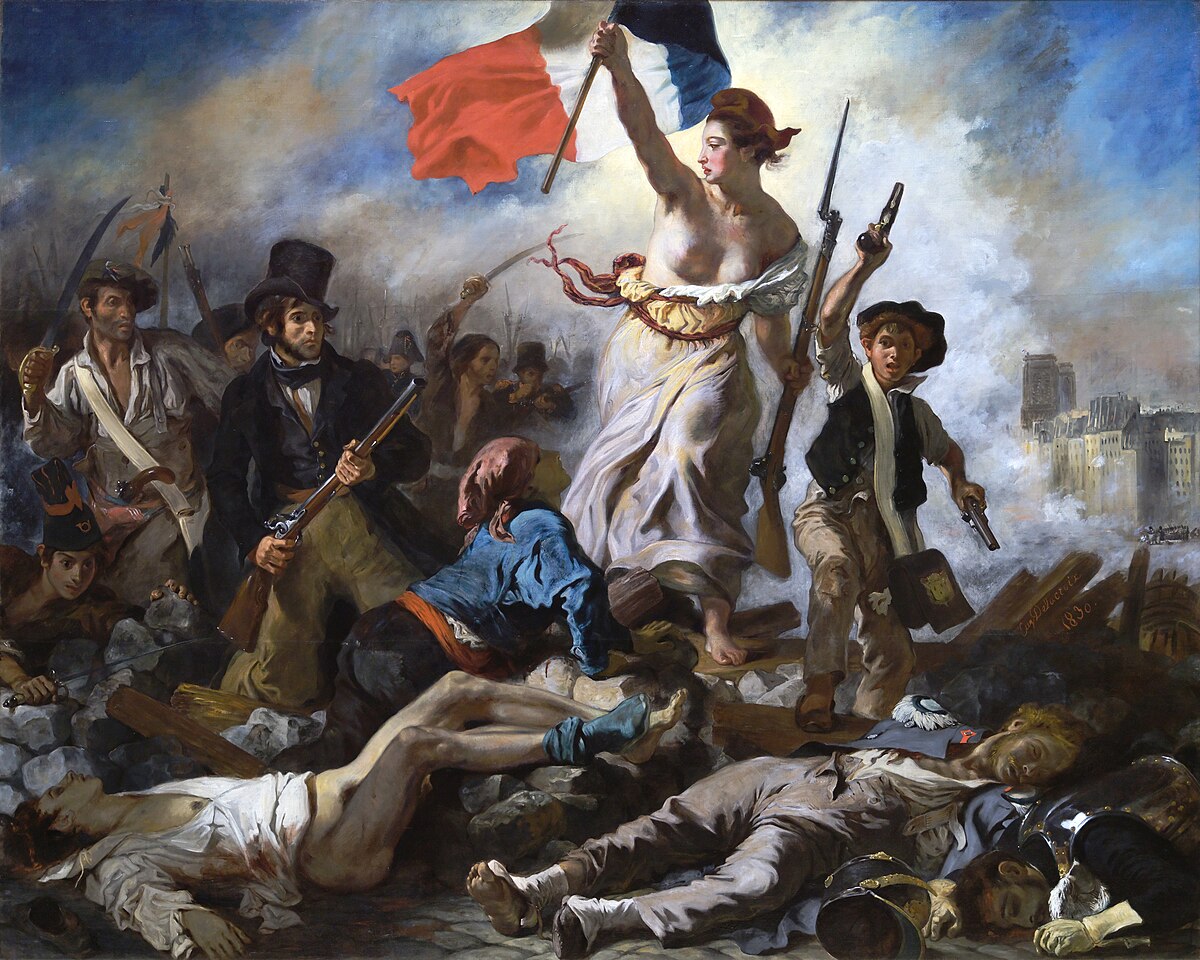
Sloboda predvodi narod naslikana je u jesen 1830. kao direktni odgovor na Julsku revoluciju, tri dana uličnih borbi u Parizu poznatih kao le Troa Glorijez (27-29. jul 1830.) koji su svrgnuli reakcionarnog burbonskog kralja Šarla X i postavili ustavnog monarha Luja Filipa, vojvodu od Orleana. Delakroa, koji je posmatrao borbe iz svog ateljea blizu Pon d’Arkol, pisao je svom bratu 12. oktobra 1830: „Pošto nisam borio za otadžbinu, bar ću slikati za nju.” Ova primedba obuhvata i slikarev ambivalentan odnos prema političkom delovanju i njegovo uverenje da umetnost može učestvovati u istorijskim događajima na sopstvenim uslovima. Delakroa nije bio revolucionar u bilo kakvom programatskom političkom smislu; njegove simpatije bile su široko liberalne, ukorenjene u veri u individualnu slobodu i ustavnu vladu, a ne u bilo kakvu radikalnu egalitarnu ideologiju. Ipak, Julska revolucija, sa svojim spektaklom običnih Parižana koji izlaze na barikade protiv opresivne monarhije, nadahnula ga je da proizvede najotvorije političku sliku svoje karijere.
Slika je izložena na Salonu 1831, gde je izazvala izrazito polarizovane reakcije. Pristalice su hvalile njenu energiju, njenu smelu fuziju stvarnog i idealnog i njenu proslavu narodne suverenosti. Kritičari i sa desne i sa leve strane napadali su je: konzervativci su se protivili istaknutosti likova iz nižih klasa i neprimerene golotinje Slobode; republikanci su se žalili da slika estetizuje nasilje i prisvaja revoluciju za buržoaski režim koji je već počeo da izdaje svoja demokratska obećanja. Nova vlada Luja Filipa kupila je sliku ali, nalazeći njen revolucionarni sadržaj politički neprijatnim, skrivala ju je od javnog pogleda tokom većeg dela Julske monarhije. Ovaj ambivalentan prijem uspostavio je obrazac koji bi karakterisao kasniju istoriju slike: naizmenično je slavljenje kao ikona demokratske slobode i kritikovanje kao mistifikacija političkog nasilja.
Formalna analiza
Kompozicija je organizovana oko snažne dijagonale koju formira sama Sloboda, koja korača napred iz srednje daljine ka posmatraču, desnom rukom podižući trikoloru Francuske Republike, levom rukom stiskajući musketu sa bajonetom. Ona je golih grudi i nosi frigijsku kapu, crveni šešir Francuske revolucije, kombinujući klasičnu alegorijsku konvenciju sa fizičkom neposrednošću koja je šokirala savremene posmatrače navikle na pristojnu idealizaciju akademskog slikarstva. Njeno telo je modelovano sa čvrstinom i težinom koja je razlikuje od eteričnih personifikacija neoklasične tradicije; ona je i boginja i žena iz naroda, dvosmislenost koja je centralna za moć slike. Oko nje, presek pariškog društva nadire napred preko barikade od kamenja za popločavanje, drveta i palih tela: buržoaski intelektualac sa cilinderom na levoj strani, često identifikovan kao autoportret Delakroa; ulični deran mašući pištoljima sa desne strane, figura koja je kasnije navedena kao inspiracija za Igo-ovog Gavrošua; i radnici i zanatlije naoružani sabljama, musketama i improvizovanim oružjem.
Hromatska struktura slike izgrađena je na kontrastu između dimiljivih, prigušenih tonova bojnog polja, u kojima dominiraju sive, smeđe i tamnoplava barut-dima, i živih akcenata trikolore, čija se crvena, bela i plava ponavljaju kroz celokupnu kompoziciju u zastavama, odeći i samom nebu. Ova hromatska strategija služi i formalnim i simboličkim ciljevima, ujedinjujući kompoziciju oko nacionalnih boja dok osigurava da zastava, uzdignuta na vrhu kompozicione piramide, funkcioniše kao vizuelna i ideološka žižna tačka. Delakroov potez četkom kreće se od gusto impastiranih prednjeplanskih figura do atmosferskijeg tretmana pozadine, gde se tornjevi Notr-Dama pojavljuju kroz dim, učvršćujući scenu u prepoznatljivoj pariškoj topografiji. Leševi u prvom planu, renderovani sa nepokolebljivom pažnjom prema fizičkoj realnosti nasilne smrti, uključujući polunagu figuru čija prevrnuta odeća otkriva telo sa specifičnošću crpljenom iz Delakroovog proučavanja Žerikove Splavi Meduze, utemeljuju alegorijski sadržaj slike u materijalnim činjenicama istorijskog iskustva.
Recepcija i nasleđe
Sloboda predvodi narod zauzima jedinstvenu poziciju u istoriji evropske umetnosti kao prva velika slika koja spaja uzvišeni jezik alegorijskog istorijskog slikarstva sa sirovom tematikom savremene političke revolucije. Ova fuzija bila je Delakroova najradikalnija inovacija: postavljajući idealizovanu personifikaciju Slobode u centar scene renderovane sa novinarskom preciznošću, stvorio je sliku koja istovremeno funkcioniše kao istorijski zapis, politički manifest i mitski narativ. Slika je srušila tradicionalnu razliku između bezvremenskog carstva alegorije i kontingentnog carstva aktuelnih događaja, uspostavljajući presedan za političku angažovanost moderne umetnosti koji se proteže kroz Kurbea, Manea, Pikasovu Gerniku i dalje.
Kasniji život slike kao kulturne ikone bio je izvanredan. Reprodukovana je na francuskoj valuti, poštanskim markama i koricama bezbroj knjiga i albuma, postajući možda najprepznantljivija slika revolucije u zapadnoj vizuelnoj kulturi. Ova sveprisutnost neizbežno je iskomplikovala njeno značenje: sliku su prisvojili politički pokreti širom ideološkog spektra i toliko je temeljno apsorbovana u popularnu kulturu da je njena originalna istorijska specifičnost često zamagljena. Istoričari umetnosti uključujući T. Dž. Klarka i Alberta Boimea analizirali su ideološke protivrečnosti slike, tvrdeći da njena fuzija alegorijskog idealizma i socijalnog realizma maskira fundamentalne tenzije između buržoaskih i narodnih koncepcija slobode koje su već bile očigledne u političkim posledicama same Julske revolucije. Ipak, ove protivrečnosti su možda izvor trajne moći slike: ona beleži trenutak istinske istorijske mogućnosti, kratki, uzbudljivi trenutak kada su se ideali slobode i pravde činili otelotvoreni u kolektivnom delovanju, dok istovremeno priznaje, kroz leševe u prvom planu i dim koji zamagljuje horizont, užasnu ljudsku cenu po kojoj se takvi trenuci kupuju.