Istorijski kontekst
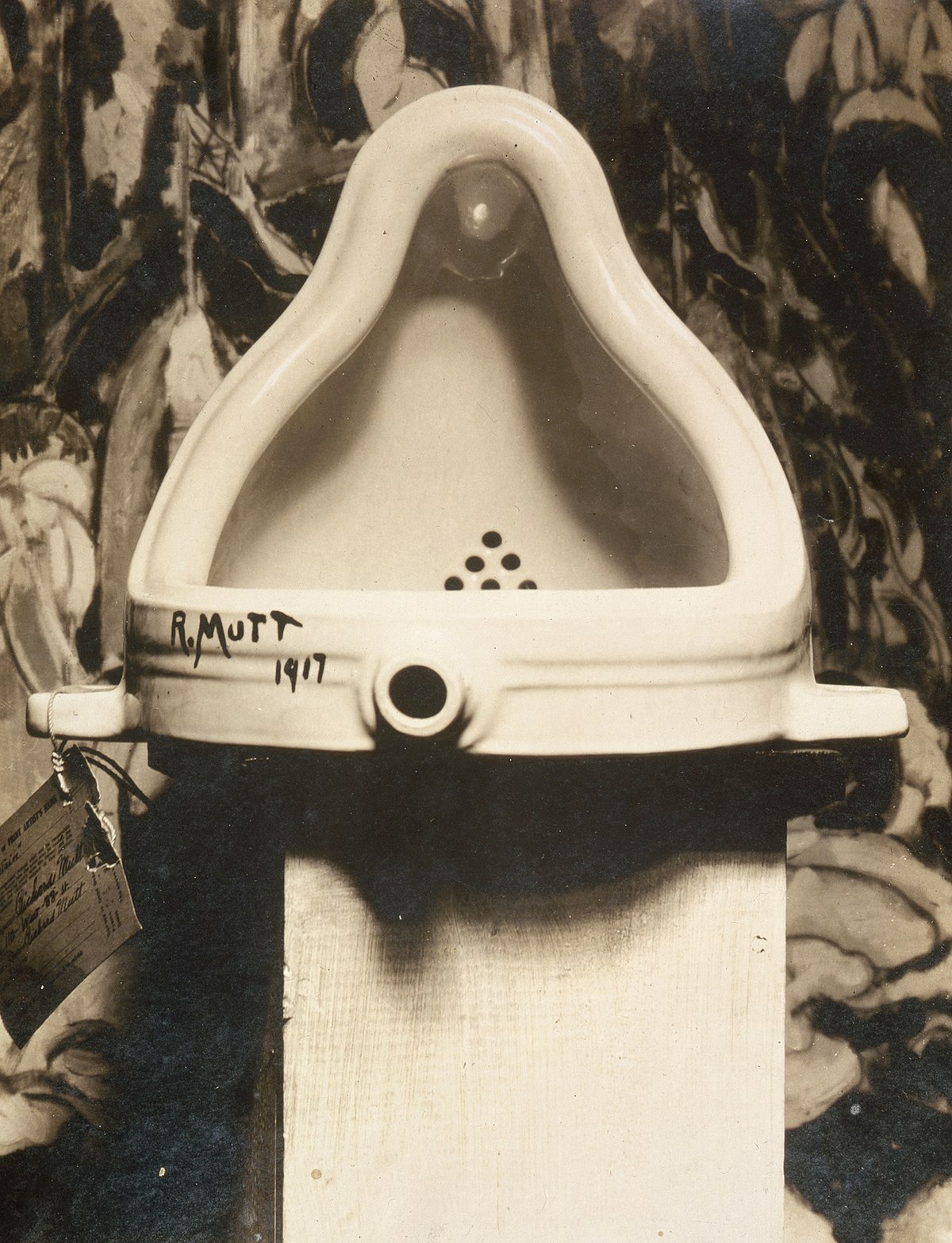
U aprilu 1917. godine Marsel Dišan kupio je standardni porcelanski pisoar tipa Bedfordšir iz salona J. L. Mot Iron Works u Njujorku, rotirao ga za devedeset stepeni, potpisao „R. Mutt 1917” crnom bojom i podneo ga za inauguralnu izložbu Društva nezavisnih umetnika, organizacije čiji je statut garantovao da svaki umetnik koji plati šest dolara kotizacije može izlagati. Uprkos ovoj politici, upravni odbor — čiji je i sam Dišan bio član — glasao je da isključi predmet, tvrdeći da to nije umetnost. Dišan je dao ostavku u odboru iz protesta, i epizoda je postala jedna od definišućih provokacija avangarde dvadesetog veka. Originalni pisoar nikada nije javno izložen tokom izložbe 1917; fotografisao ga je Alfred Štiglic u svojoj galeriji 291, i ta fotografija, objavljena u dadaističkom časopisu The Blind Man uz anonimni uvodnik koji je branio podnošenje, postala je primarni dokument kroz koji je Fontana ušla u umetničko-istorijsku svest.
Ovaj gest mora se razumeti u kontekstu kako dadaističkog anti-umetničkog etosa, tako i specifičnih kulturnih politika ratnog Njujorka. Dišan, francuski emigrant koji je već šokirao publiku sa Aktom koji silazi niz stepenice na Armori šou 1913. godine, bio je duboko skeptičan prema onome što je nazvao „retinalnom” umetnošću — slikarstvu koje se obraća prvenstveno oku, a ne intelektu. Strategija redimejda, koju je razvijao od 1913. sa predmetima kao što su Točak bicikla i Stalak za flaše, bila je dizajnirana da preseca estetski sud predstavljanjem predmeta čija selekcija, a ne fabrikacija, predstavlja umetnički čin. Fontana je gurnula ovu logiku do njene najkonfrontacionije krajnosti izborom predmeta povezanog sa telesnim funkcijama i sanitarijom — nameran afront buržoaskom ukusu i galerijskom dekoru.
Formalna analiza
Govoriti o „formalnim kvalitetima” Fontane znači već se upustiti u paradoks koji delo predlaže. Pisoar je masovno proizveden industrijski predmet bez pretenzija na jedinstvenu zanatsku veštinu; njegova glatka, bela porcelanska površina, simetrične krivine i funkcionalni otvori za odvodnjavanje proizvodi su inženjeringa i proizvodnje, a ne umetničke namere. Pa ipak, Dišanov čin preorijentacije — okretanje pisoara na leđa — transformiše njegov vizuelni karakter na značajne načine. Vodoinstalaterska armatura, razvedena od svog funkcionalnog konteksta montiranja na zid, dobija neočekivano skulpturalno prisustvo: konkavni unutrašnji deo postaje receptivna, gotovo školjkasta forma; krivine sugerišu organske, a ne mehaničke korene; i bela površina, oslobođena kupatilskih asocijacija, podseća na luminozne površine Brankusijevih mermernih rezbarija, koje je Dišan dobro poznavao.
Potpis „R. Mutt” funkcioniše kao ključni tekstualni element unutar dela. On istovremeno parodira konvenciju umetnikovog potpisa kao oznake autentičnosti i autorstva, referira na kompaniju Mot za vodovod (sa šaljivom pogrešnom spelacijom) i možda aludira na strip lik Mata iz Badovog Fišerovog Mutt and Jeff. Čin potpisivanja transformiše predmet iz anonimne robe u nominalno autorsko delo, ali pseudonim podriva upravo to autorstvo koje uspostavlja. Ovaj dvostruki pokret — istovremeno prisvajanje i odricanje od umetničkog autoriteta istim gestom — formalni je motor dela. Replike koje je Dišan autorizovao pedesetih i šezdesetih godina dodaju dalji sloj složenosti, budući da one nisu „originalni” redimejd već manufakturne reprodukcije manufakturnog predmeta, urušavajući svaku preostalu razliku između originala i kopije.
Značaj i nasleđe
Fontana se rutinski identifikuje u pregledima i anketama kao najuticajnije umetničko delo dvadesetog veka, tvrdnja koja počiva manje na njenim vizuelnim svojstvima nego na konceptualnoj revoluciji koju je pokrenula. Predloživši da umetnikov čin selekcije i kontekstualnog preuokviravanja može biti dovoljan da konstituiše umetnost, Dišan je postavio filozofski temelj za konceptualnu umetnost, Fluksus, institucionalnu kritiku i praktično svaku kasniju praksu koja privileguje ideju nad predmetom. Izazov dela umetničkoj instituciji — njegov zahtev da preispitamo konvencije, strukture moći i sisteme vrednosti koji određuju šta se računa kao umetnost — anticipira teorijska interesovanja ličnosti tako raznorodnih kao što su Džordž Diki, Artur Danto i Oktobar škola istoričara umetnosti.
Praktični posmrtni život Fontane bio je jednako provokativan kao i njeno poreklo. Originalni predmet je izgubljen ili uništen ubrzo nakon izložbe 1917, a delo je preživelo samo kroz Štiglicovu fotografiju i pisane izveštaje dok Dišan nije autorizovao seriju replika pedesetih i šezdesetih godina. Ove replike, koje je proizveo pariski keramičar radeći po fotografiji, danas se nalaze u velikim institucijama uključujući Tejt Modern, Filadelfijski muzej umetnosti, Nacionalnu galeriju Kanade i Centar Pompidu. Činjenica da je „original” replika masovno proizvedenog predmeta — autentifikovan od strane umetnika koji je doveo u pitanje sam koncept umetničke autentičnosti — predstavlja beskonačno generativni paradoks koji nastavlja da izaziva debatu među filozofima, kustosima i umetnicima. Fontana ostaje, više od jednog veka nakon nastanka, neizbežna referentna tačka za svaku diskusiju o tome šta je umetnost i ko odlučuje o tome.