Istorijski kontekst
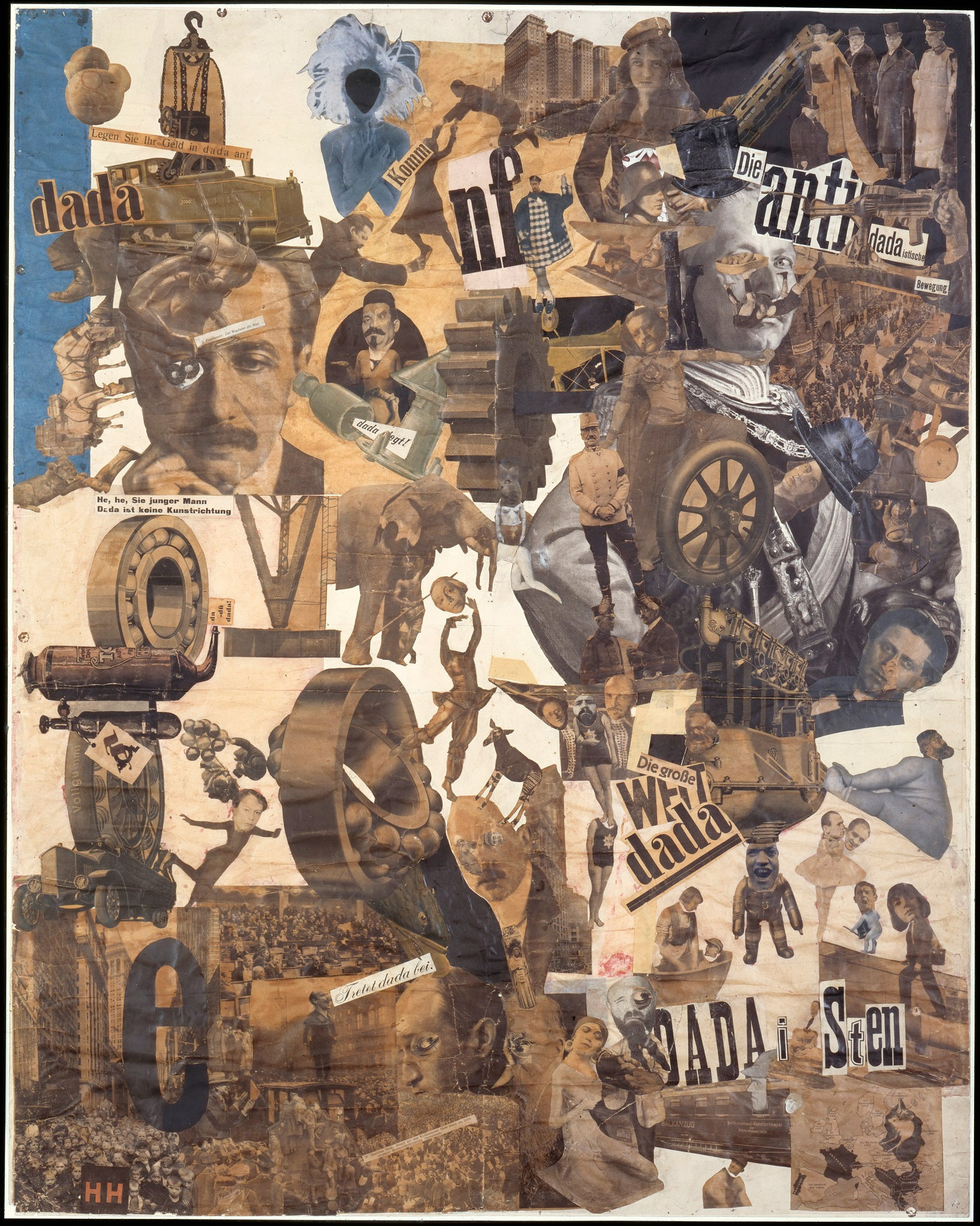
Hana Hoh je izradila Rez kuhinjskim nožem Dade kroz poslednju vajmarsku pivsku-trbušnu kulturnu epohu Nemačke za Prvu međunarodnu Dada izložbu održanu u Berlinu u junu 1920. godine, izložbu koja je predstavljala javni vrhunac berlinskog Dada pokreta. Rogobatni naslov dela — sam po sebi dadaistička provokacija — najavljuje i njegovu metodu (sečenje) i njegov cilj (samozadovoljnu, reakcionarnu kulturu upravo propalog Vilhelmovog carstva i krhke Vajmarske republike koja ga je nasledila). Berlinski Dadaizam, za razliku od svog ciriškog prethodnika, bio je eksplicitno politički: njegovi članovi, uključujući Hoh, Raula Hausmana, Džona Hartfilda i Georga Grosa, usmeravali su svoje anti-umetničke provokacije protiv militarizma, kapitalizma i društvenog konzervativizma nemačkog establišmenta. Fotomontaža Hane Hoh u potpunosti učestvuje u ovom projektu, dok se takođe bavi, kroz svoj feministički podtekst, marginalnim položajem žena i unutar buržoaskog društva i unutar same avangarde.
Period između primirja u novembru 1918. i relativne stabilizacije Vajmarske republike 1924. godine bio je period izuzetne političke nestabilnosti u Nemačkoj, obeležen Spartakističkim ustankom, Kapovim pučem, hiperinflacijom i nasilnim uličnim borbama između levice i desnice. Fotomontaža Hane Hoh hvata ovu turbulenciju sklaplajući fragmente ilustrovane štampe — novina, časopisa i propagandnih materijala koji su činili vizuelno okruženje vajmarske modernosti — u kompoziciju koja odražava fraktalni, nestabilni karakter društva koje prikazuje. Upotreba „kuhinjskog noža” u naslovu je namerno rodno obojena: ona prisvaja domaći, ženski alat kao instrument kulturne hirurgije, implicitno osporavajući muško poziranje i političkog establišmenta i, ne beznačajno, samih muških Dada kolega Hane Hoh, koji su često marginalizovali njene doprinose.
Formalna analiza
Fotomontaža je organizovana u labavo definisane zone koje mapiraju politički i kulturni pejzaž vajmarske Nemačke. Gornji desni kvadrant dominiraju figure povezane sa starim carskim poretkom i novom vajmarskom vladom — Kajzer Vilhelm II, Fridrih Ebert, vojni zvaničnici — dok gornje levo područje sadrži predstavnike Dada pokreta i radikalne avangarde, uključujući Ajnštajna, čija je naučna revolucija bila paralelna Dadinoj kulturnoj. Donji delovi kompozicije nastanjeni su slikama plesačica, sportista i mašinskih delova, generišući kinetičku energiju koja kontrastira statičnom autoritetu političkih figura iznad. Rasuti svuda su fragmenti štampanog teksta — naslovi, reklame, sama reč „dada” — koji funkcionišu i kao kompozicioni elementi i kao semantički detonatori, ubrizgavajući verbalno značenje u vizuelno polje.
Kompoziciona strategija Hane Hoh odupire se hijerarhijskom uređenju tradicionalnog slikarstva. Ne postoji jedna jedina žarišna tačka; pogled ricošetira po površini, momentalno zaustavljeno prepoznatljivim licem ili čitljivom rečju pre nego što bude ponovo pokrenut centrifugalnom energijom rasporeda. Promene razmera su nagle i dezorijentišuće: sićušna glava može biti nakalemljena na ogromno telo, ili monumentalno lice može lebdeti pored minijaturne figure, proizvodeći prostornu dislokaciju nalik snu koju će nadrealizam kasnije kodifikovati. Ukupni efekat je kontrolisanog haosa — vizuelnog analoga političkom neredu Vajmarske republike, ali pažljivo orkestriranog kroz sofisticirano razumevanje ritma, gustine i negativnog prostora Hane Hoh. Mala karta Evrope u donjem desnom uglu, anotirana da pokaže zemlje u kojima su žene nedavno stekle pravo glasa, utemeljuje feminističke preokupacije dela u konkretnoj političkoj geografiji.
Recepcija i nasleđe
Rez kuhinjskim nožem prepoznat je kao jedno od remek-dela Dade i jedna od najvažnijih fotomontaža ikada stvorenih. Delo je uspostavilo fotomontažu — tehniku sečenja i rekombinovanja fotografskih slika iz masovnih medija — kao značajan umetnički medijum sa sopstvenom estetskom logikom i političkim potencijalom. Tehniku su dalje razvijali Džon Hartfild u svojoj antinacističkoj propagandi tridesetih godina, nadrealisti u svojim istraživanjima nesvesnog, i pop-art umetnici poput Ričarda Hamiltona i Eduarda Paolozija u njihovim preispitivanjima potrošačke kulture. U digitalnom dobu, logika sečenja i lepljenja fotomontaže postala je podrazumevani način produkcije slika, čineći da analogna tehnika makazama i lepkom Hane Hoh deluje profetski usklađena sa posredovanom, fragmentiranom vizuelnom kulturom dvadeset prvog veka.
Pozicija Hane Hoh unutar istorijsko-umetničkog kanona sama je bila predmet naučne revizije. Dugo zasenjena od strane svojih muških Dada kolega — Hausmana, Hartfilda, Grosa — ona je od sedamdesetih godina dvadesetog veka iznova otkrivena od strane feminističkih istoričarki umetnosti kao figura od velikog značaja čije se delo bavilo rodnom politikom sa suptilnošću i upornošću nenadmašenom od strane njenih kolega. „Kuhinjski nož” iz naslova, sa svojim domaćinskim asocijacijama, postao je snažan simbol feminističke kulturne kritike: ideja da alati svakodnevnog ženskog rada mogu biti prenamenjeni kao instrumenti radikalne umetničke i političke intervencije. Akvizicija dela od strane Nacionalne galerije 1961. godine, decenijama nakon nastanka, odražava zakasnelo institucijsko prepoznavanje i individualnog dostignuća Hane Hoh i šireg značaja berlinskog Dadaizma kao pokreta koji je spojio estetsku inovaciju sa političkim angažmanom na načine koji ostaju urgentno relevantni.