Istorijski kontekst
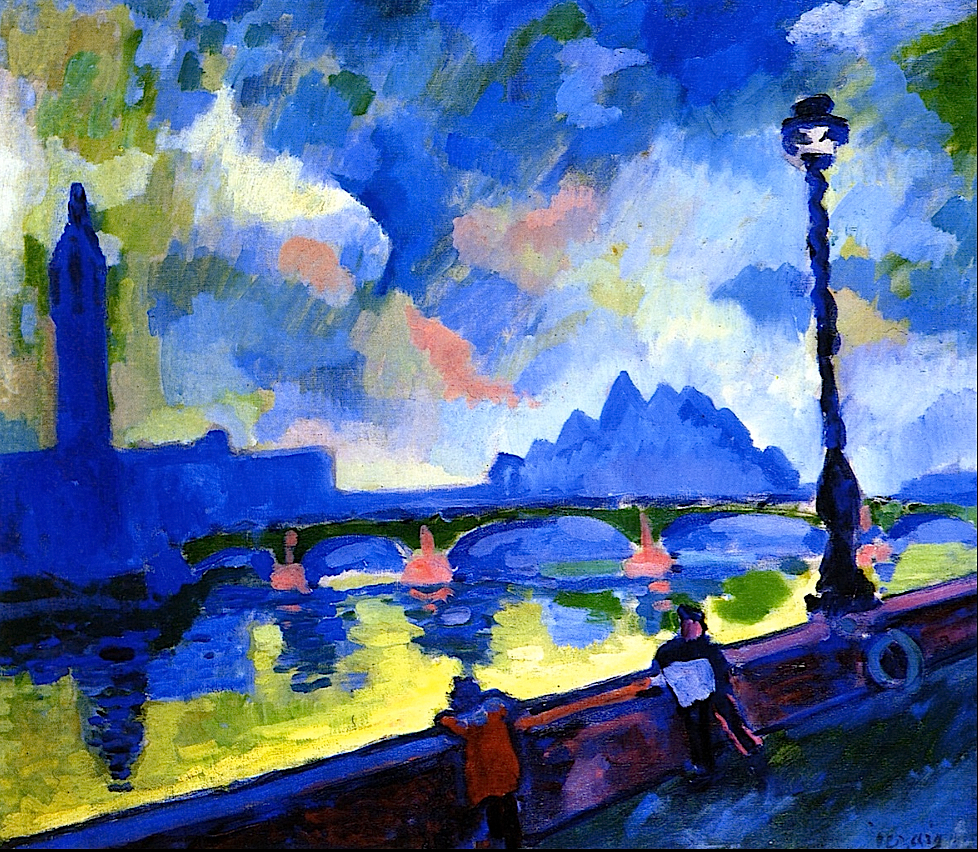
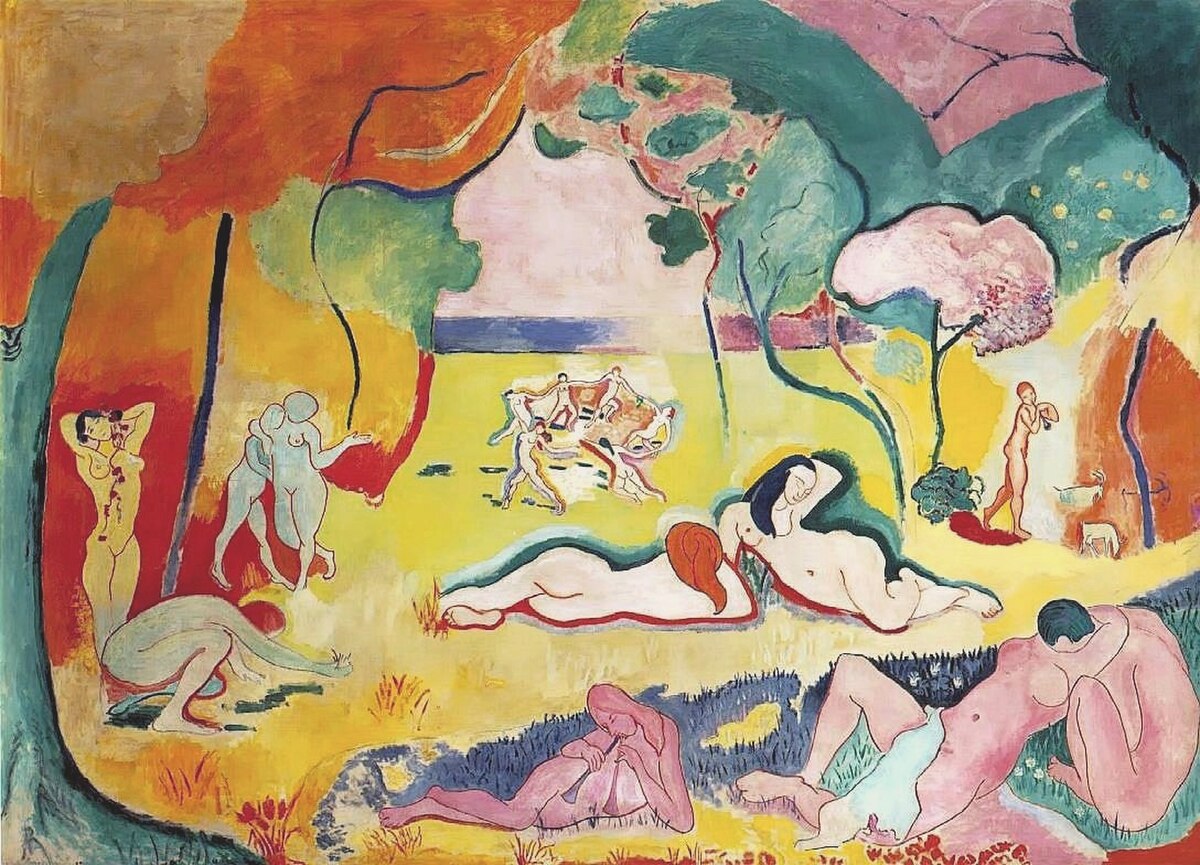
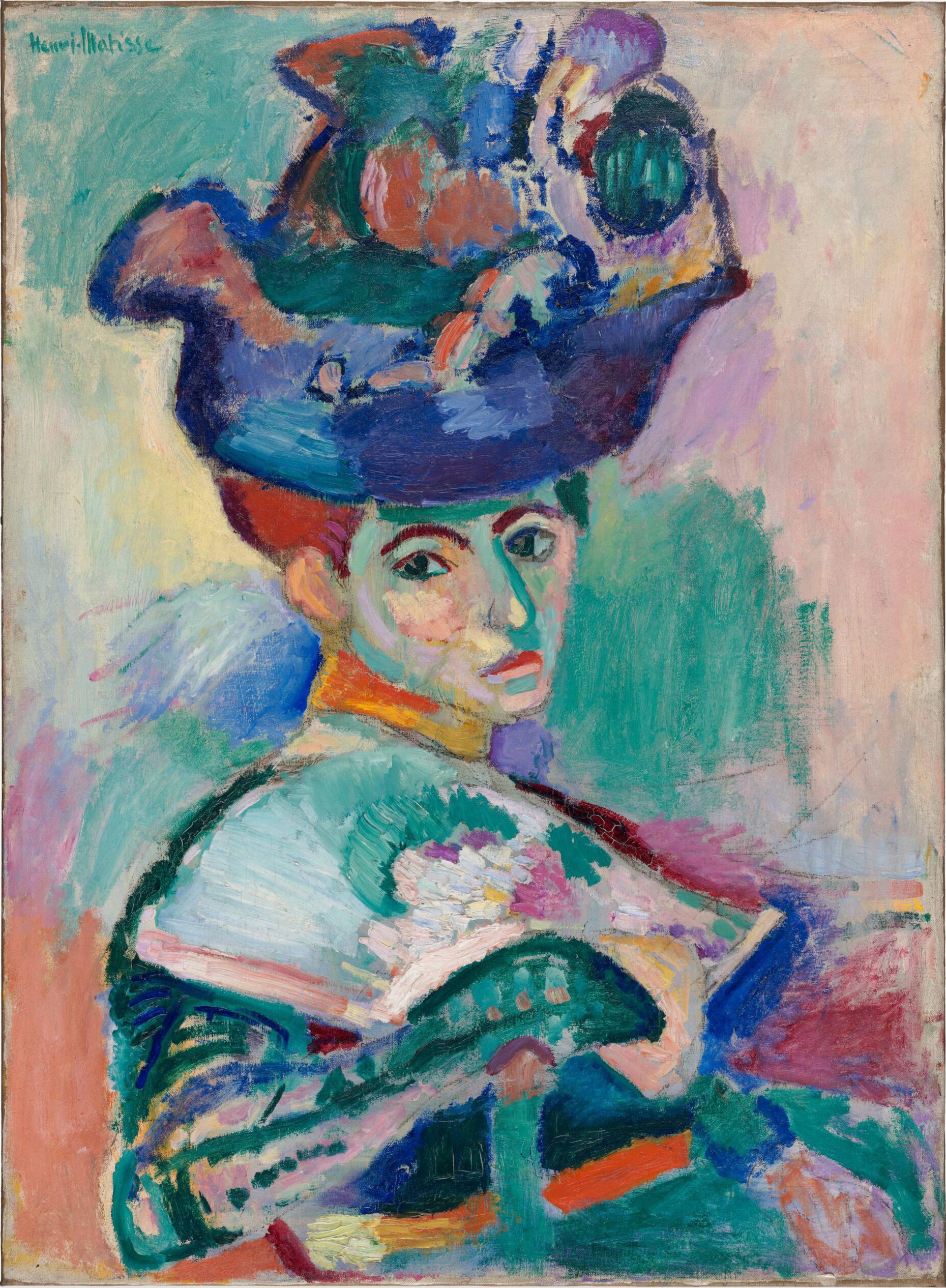
Kada je Žena sa šeširom izložena na Salonu jeseni u Parizu u jesen 1905. godine, izazvala je kritičku buru koja je fovističkom pokretu dala ime. Likovni kritičar Lui Voksel, pregledajući salu u kojoj su Matis, Andre Deren, Moris de Vlamink i drugi izlagali svoja hromatski agresivna platna, navodno je primetio da konvencionalna bronzana skulptura u njihovoj sredini izgleda kao „Donatelo među divljim zverima” (fauves). Nadimak se zadržao, a Matis, kao najstariji i intelektualno najartikuiraniji član grupe, brzo je identifikovan kao vođa pokreta. Slika prikazuje njegovu suprugu, Ameli Matis, u modernom šeširu i haljini, ali konvencionalna tema samo je pojačala šok tretmana: lice je modelovano prugama zelene, žute i crvene koje nemaju nikakve veze sa prirodnim tonovima kože; šešir eruptira u bujicu komplementarnih boja; a pozadina se rastvara u labavo nanete mrlje plave, narandžaste i ljubičaste.
Recepcija slike nije bila jednoglasno neprijateljska. Leo i Gertruda Stajn, američki kolekcionari u egzilu koji su sklapali ono što će postati jedna od najvažnijih kolekcija ranog modernizma, kupili su delo direktno sa Salona — transakcija koja je označila početak njihovog dugog i značajnog odnosa sa Matisom. Podrška Stajnovih pružila je Matisu ključnu finansijsku stabilnost i društvenu validaciju u trenutku kada je kritičko mišljenje bilo ubedljivo negativno. Kasnija provenijencija slike — prolazeći kroz kolekciju Stajnovih do porodice Has i konačno do SFMOMA-e — ocrtava izrazito američku putanju pokroviteljstva koja je bila instrumentalna u uspostavljanju Matisove reputacije van Francuske.
Formalna analiza
Formalni radikalizam slike počiva prevashodno na upotrebi boje kao autonomne ekspresivne sile umesto deskriptivnog sredstva. Matis nanosi pigment u širokim, vidljivim potezima koji odbijaju da se stapaju u glatke prelaze, umesto toga postavljajući zone kontrastnih tonova jedne pored drugih na načine koji generišu optičku vibraciju i prostornu dvosmislenost. Zelena pruga koja se spušta niz sredinu Amelinog nosa — pasaž koji je naročito užasnuo savremene posmatrače — nije proizvoljna, već strateški postavljena da stvori komplementarnu napetost sa toplim crvenim i narandžastim tonovima okolnih tonova puti. Slično tome, hladne plave i ljubičaste ivice šešira pojačavaju tople žute i ružičaste iznad, proizvodeći hromatsku arhitekturu koja je interno koherentna čak i dok se potpuno udaljava od vizuelnog posmatranja.
Potez četke je namerno raznovrstan, krećući se od tankih, transparentnih lazura u pozadini do gustog, neprozirnog impasta u šeširu i steznniku. Ova teksturalna raznovrsnost sprečava površinu da se ustali u jednom registru i drži posmatračevo oko u neprekidnom pokretu preko platna. Kompozicija je usidrena vertikalnom osom figure, ali asimetrija šešira — nagnutog pod drskim uglom — i dijagonalni zamah steznika uvode dinamičnu nestabilnost. Prostor je radikalno komprimovan: ne postoji merljiva distanca između figure i pozadine, koja funkcioniše manje kao okruženje a više kao hromatsko polje na kome je figura postavljena. Matis je kasnije opisao svoju ambiciju kao stvaranje umetnosti „ravnoteže, čistote i spokojstva”, i dok Žena sa šeširom možda izgleda kao sve osim spokojnog, njena bazična strukturalna logika otkriva disciplinovanu inteligenciju koja će voditi njegov rad narednih pet decenija.
Značaj i nasleđe
Žena sa šeširom zauzima ključnu poziciju u istoriji moderne umetnosti kao slika koja je najvidljivije najavila fovistički izazov impresionističkim i postimpresionističkim konvencijama boje. Dok su Gogen, Van Gog i Sezan svi krenuli ka nenaturalističkoj boji osamdesetih i devedesetih godina devetnaestog veka, bili su Matis i fovisti ti koji su proizvoljnu boju učinili programskim principom umesto povremenog ekspresivnog sredstva. Posledice su bile neposredne i dalekosežne: u roku od dve godine, mladi Pikaso i Brak razvijali su kubizam u pravcu koji je mnogo dugovao prostornom spljoštavanju koje je fovizam postigao, a nemački ekspresionisti Die Bruke i Der Blaue Rajter eksplicitno su priznavali Matisovo oslobađanje boje kao katalizator sopstvenih hromatskih eksperimenata.
Slika je takođe inaugurisala koncepciju portretisanja koja će postati centralna za modernističku praksu — onu u kojoj se psihološka unutrašnjost portretisanog prenosi ne kroz izraz lica ili narativni kontekst, već kroz afektivna svojstva boje i poteza četke. Ova ideja, koju je Matis razvijao tokom čitave karijere u delima poput Crvenog ateljea i kasnih papirnih izrezaka, toliko je temeljno asimilirana u savremenu umetnost da je njenu originalnu smelost teško rekonstruisati. Dom dela u SFMOMA-i, gde služi kao kamen temeljac stalne kolekcije, obezbeđuje njegovu neprekidnu vidljivost i kao istorijski dokument i kao živa demonstracija sposobnosti slikarstva da komunicira značenje čisto slikovnim sredstvima.