Istorijski kontekst
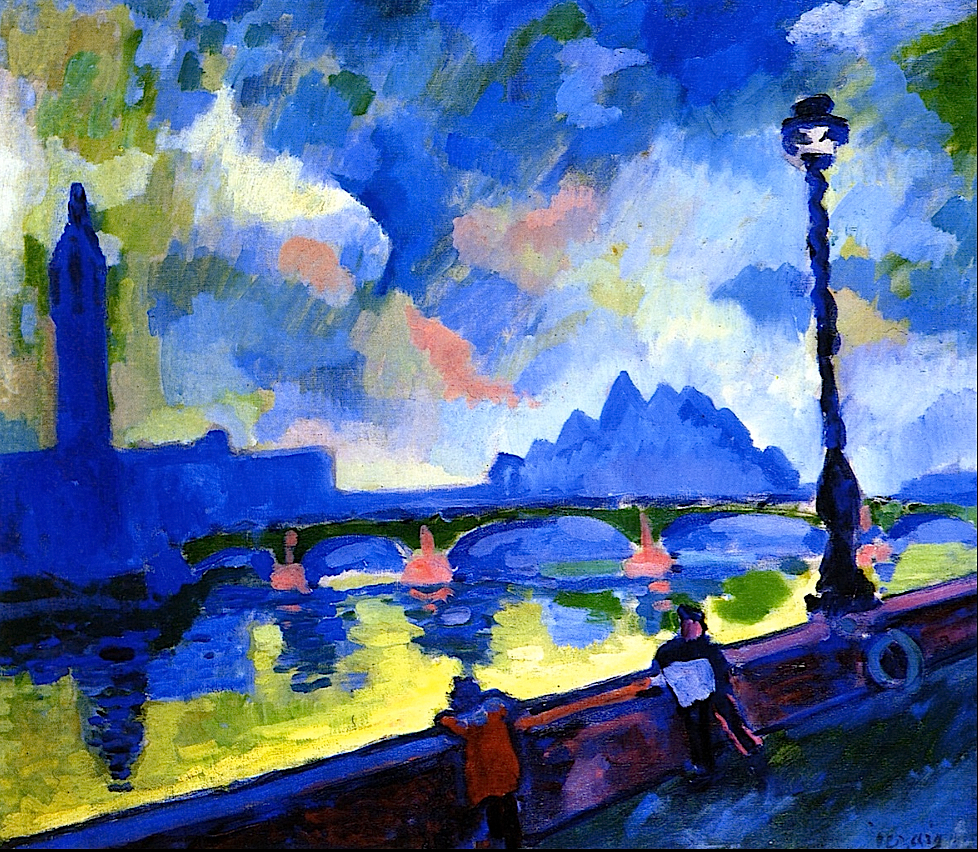
Andre Deren naslikao je Londonski most 1906. godine, tokom ključnog boravka u britanskoj prestonici koji je proizveo neke od najsmelijih i hromatski najoslobođenijih slika fovističkog pokreta. Putovanje je organizovao i finansirao trgovac Ambroaz Volar, koji je Derena poslao u London sa specifičnom narudžbinom da naslika seriju veduta Temze — temu koja je nosila ogromnu umetničko-istorijsku težinu, pošto su je slavno obradili Dž. M. V. Tarner, Džejms Maknil Vistler i Klod Mone, čija je proslavljna serija slika Temze izložena u Parizu u galeriji Diran-Riel 1904. uz ogroman kritički uspeh. Volarova narudžbina tako je postavila Derena u eksplicitan dijalog sa impresionističkom i postimpresionističkom tradicijom, izazivajući mladog slikara da proizvede distinktivno moderan odgovor na temu već zasićenu umetničkim asocijacijama.
Deren je stigao u London početkom 1906, jedva godinu dana nakon zloglasne izložbe na Jesenjem salonu 1905, gde su on, Anri Matis, Moris de Vlamenk i njihovi saradnici prozvani les fauves („divlje zveri”) od strane kritičara Luija Voksela zbog nasilne, nenaturalističke boje i agresivnog poteza četke na njihovim slikama. Londonske slike predstavljaju najpotpunije ostvarenje fovističkih principa u Derenovom delu, gurajući oslobađanje boje od deskriptivne funkcije do njene najekstremnije tačke. Radeći naporedo sa sivom, maglovitom stvarnošću Temze — temom koju je Vistler obradio u prigušenim, tonalnim harmonijama a Mone u treperavim atmosferskim velovima — Deren je nametnuo paletu plamtećih, zasićenih nijansi koje nisu stajale ni u kakvom odnosu sa opserviranom stvarnošću, već su izražavale čisto slikovnu logiku hromatskog intenziteta i komplementarnog kontrasta. Slika je ušla direktno u Volarov fond i prošla kroz nekoliko kolekcija pre nego što je poklonjena Muzeju moderne umetnosti od strane Vilijama S. Pejlija, medijskog magnata CBS-a i velikog umetničkog patrona, 1968. godine.
Formalna analiza
Londonski most prikazuje pogled na Temzu nizvodno, sa mostom koji premošćuje srednji plan, brodovima i teretnjacima koji naseljavaju reku i siluetom Londona koja se uzdiže duž udaljene obale. Pa ipak, tema je gotovo podređena izvanrednom hromatskom tretmanu koji transformiše poznat gradski pejzaž u polje čiste energije boje. Deren koristi paletu intenzivnih, često komplementarnih nijansi — živopisne kobalt i ultramarin plave postavljene nasuprot gorućim narandžastim i žutim, smaragdno zelene jukstaponirane sa toplim crvenima — nanete širokim, emfatičnim potezima četke koji afirmišu fizičko prisustvo boje na površini platna. Voda Temze, daleko od olovno-sive stvarnosti, postaje mozaik plavih, zelenih, žutih i ljubičastih mrlja koje vibriraju optičkom energijom, dok se nebo kreće kroz zone tirkizne, lavande i bledo zlatne.
Prostorna struktura kompozicije zadržava osnovni okvir perspektivnog povlačenja — most se povlači u dubinu, daleka obala leži duž uverljive linije horizonta — ali uniformni intenzitet boje u prednjem, srednjem i zadnjem planu podriva atmosfersku perspektivu koja tradicionalno stvara iluziju prostorne dubine. Boje u daljini su jednako zasićene i asertivne kao i one u prednjem planu, proizvodeći efekat spljoštavanja koji gura kompoziciju ka slikovnoj ravni. Potez četke oscilira između kratkih, mozaičkih dodira izvedenih iz neoimpresionističkog pointilizma (evidentno na površini vode i nebu) i širih, gestualnijih poteza koji definišu most, zgrade i brodove. Ova hibridna tehnika odražava Derenovu asimilaciju i transformaciju višestrukih postimpresionističkih presedana — Sera, Sinjaka, Sezana, Gogena i Van Goga — u sintezu koja je izrazito njegova. Ukupni efekat je bujnog, gotovo bezobzirnog hromatskog oslobađanja, u kome sam čin slikanja postaje primarni predmet.
Značaj i nasleđe
Londonski most je jedno od kanoničnih dela fovizma i ključni dokument u istoriji progresivnog oslobađanja boje u modernom slikarstvu od njenih deskriptivnih i mimetičkih funkcija. Derenove londonske slike demonstrirale su da boja može funkcionisati kao autonomna ekspresivna sila, nezavisna od opserviranh nijansi prirode, i ovaj princip će se pokazati fundamentalnim za praktično svaki kasniji pokret u slikarstvu dvadesetog veka, od nemačkog ekspresionizma kroz apstraktni ekspresionizam do slikarstva polja boje pedesetih i šezdesetih godina. Značaj dela je pojačan njegovim eksplicitnim dijalogom sa impresionističkom tradicijom: dok su Moneove slike Temze koristile boju da uhvate prolazne efekte atmosfere i svetlosti, Derenove su koristile boju da afirmišu slikarevu subjektivnu slobodu i identitet slike kao nezavisnog hromatskog predmeta.
Slika takođe zauzima važno mesto u narativu francusko-britanske umetničke razmene. Derenova londonska kampanja dovela je najnaprednije tokove pariskog slikarstva u direktan kontakt sa britanskim urbanim pejzažom, proizvodeći korpus dela koji je istovremeno omaž i radikalno odstupanje od slika Temze Tarnera, Vistlera i Monea. Uticaj Derenove fovističke boje na naknadno britansko slikarstvo — posebno rad grupe Kemden Taun i kasnije Londonske škole — dokumentovan je od strane naučnika, mada je odnos složen i posredovan višestrukim intervenišućim razvojima. Unutar Derenove vlastite karijere, londonske slike predstavljaju visoku tačku hromatske smelosti; njegov kasniji zaokret ka strukturiranijem, sezanijskom pristupu i konačno ka klasicizujućem naturalizmu naveo je istoričare umetnosti da u londonsku seriju vide trenutak nenadmašene kreativne slobode. Njeno prisustvo u MoMA-i obezbeđuje da nastavlja da služi kao primarna referentna tačka za proučavanje ranog modernizma i fovističke revolucije koja je otvorila vrata apstrakciji.