Istorijski kontekst
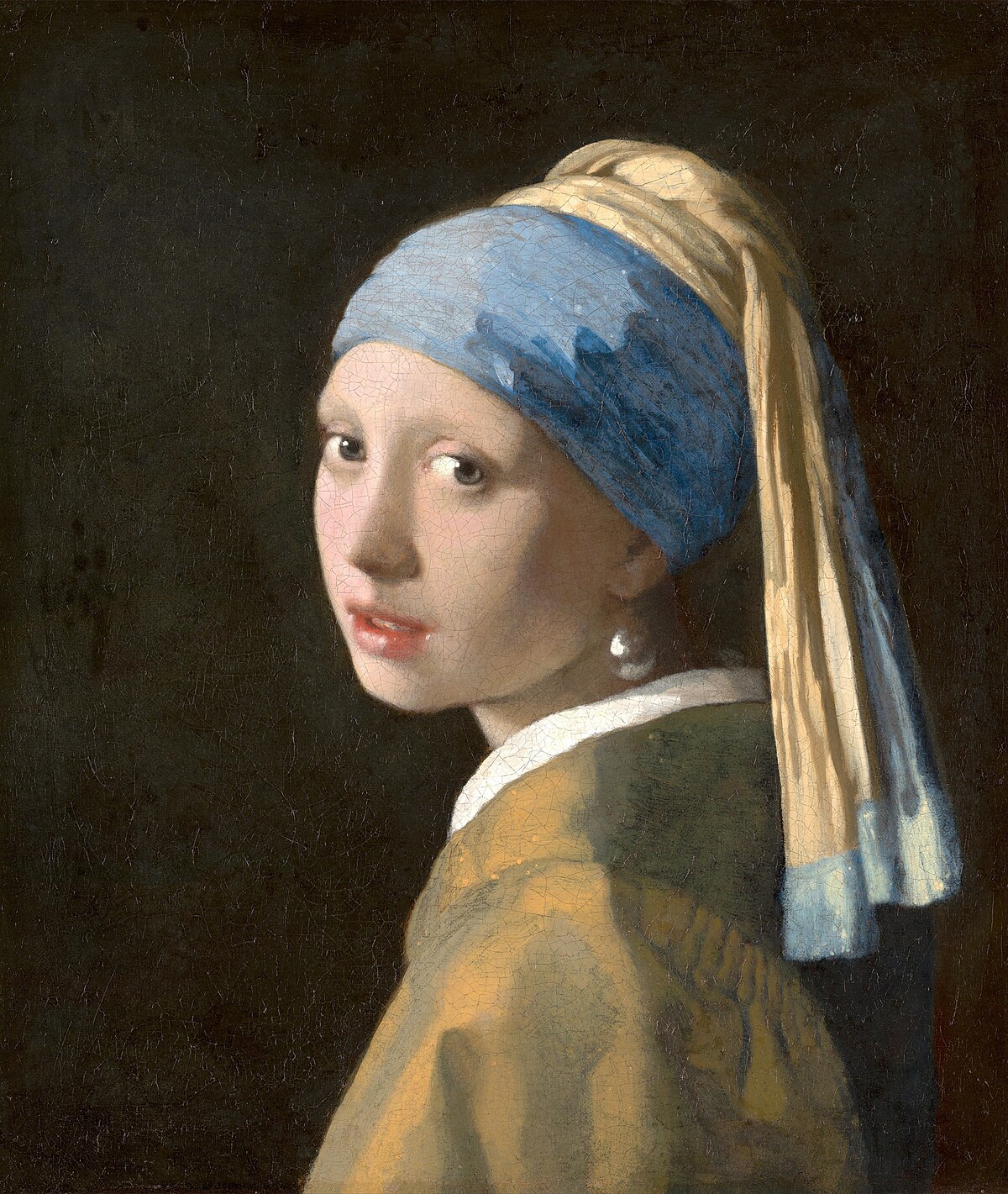
Devojka sa bisernom minđušom ne pripada žanru portreta u pravom smislu, već holandskoj tradiciji tronije — studije karaktera ili tipske figure izvedene po živom modelu, ali ne sa namerom da zabeleži identitet konkretne osobe. Razlika je ključna za razumevanje svrhe i efekta slike. Za razliku od portreta, koji dokumentuje društveni status, poreklo i lični identitet, tronije istražuje izraz, kostim, osvetljenje i slikarsku virtuoznost kao ciljeve same po sebi. Devojka nije model koji je platio za svoj lik; ona je figura Vermerovog izuma, odeven u egzotični turban koji je smešta izvan svakodnevnog sveta delftskih građana i u područje poetske imaginacije. Pokušaji da se identifikuje — kao Vermerova najstarija ćerka Marija, kao kućna služavka, kao ljubavnica — ostaju potpuno spekulativni i na kraju promašuju poentu. Moć slike počiva upravo u njenoj anonimnosti, u načinu na koji se čini da postoji na pragu između prisustva i odsustva, između stvarnog susreta i projektovane fantazije.
Turban je vizuelno najupečatljiviji element slike i ključ njenog semantičkog bogatstva. Sastavljen od blistavo ultramarinskog plavog sa pratećom šafransko-žutom tkaninom, signalizira egzotično i orijentalno — trop čest u holandskom slikarstvu Zlatnog doba, gde su turkerije i reference na otomanski i mogulski svet služile kao oznake globalne trgovine, luksuza i maštovitog bekstva. Ultramarin pigment je dobijen iz lapis lazulija, eksploatisanog gotovo isključivo u regiji Badahšan današnjeg Avganistana i transportovanog u Evropu preko Venecije. Bio je, unca za uncu, skuplji od zlata, a njegova rasipna upotreba ovde govori i o Vermerovoj posvećenosti hromatskom intenzitetu i o ekonomskim mrežama koje su održavale holandsku umetničku produkciju. Jukstapozicija dubokog plavog naspram tople žute stvara komplementarnu kolornu harmoniju koja vibrira optičkom energijom, neodoljivo privlačeći pogled ka licu devojke.
Biserna minđuša sama po sebi bila je predmet značajnog tehničkog i istorijsko-umetničkog ispitivanja. Njena veličina — daleko prevelika za prirodni biser tog perioda — navela je naučnike da zaključe da je verovatno u pitanju polirana staklena perla prevučena bisernim lakom napravljenim od riblje krljušti, čest surogat u nakitu sedamnaestog veka. Vermer je prikazuje sa zapanjujućom ekonomijom: dva mala poteza bele boje, jedan za odsjaj i jedan za reflektovanu svetlost sa bele kragne ispod, dočaravaju iluziju sjajne, trodimenzionalne sfere obešene o nevidljivu kukicu. Biser nosi dugu ikonografsku tradiciju kao simbol čistote, devičanstva i duhovnog savršenstva, ali ovde su njegove asocijacije dvosmislenije — on je oznaka ukrasa, čulne privlačnosti i samog slikarevog kapaciteta da pretvori bazni pigment u privid dragocenog materijala. Biser je, u tom smislu, mise en abyme za samu sliku: predmet čija vrednost počiva isključivo na iluziji koju održava.
Formalna analiza
Vermerov tretman svetlosti u ovoj slici dostiže nivo prefinjenosti koji ima malo paralela u zapadnoj umetnosti. Osvetljenje dolazi od gore levo, modelujući lice devojke sa suptilnošću koja izbegava oštre ivice dok održava skulpturalnu jasnoću. Čuveni akcent na donjoj usni — jedna tačka impasto bele boje naneta preko prozirne glazure od krapplaka — stvara jeziv osećaj vlage, kao da su se usne upravo razdvojile i dah je još topao. Ovaj detalj ilustruje Vermerovu prepoznatljivu tehniku prikazivanja ne predmeta, već ponašanja svetlosti na predmetima: on slika luminoznost samu, način na koji se fotoni raspršuju po koži, tkanini i uglačanim površinama. Tamna, neutralna pozadina — duboki, gotovo crni ton koji upija umesto da reflektuje — izoluje figuru u praznini koja eliminiše prostorni kontekst i vremensku specifičnost, stvarajući osećaj bezvremenskog intimnog odnosa koji objašnjava mnogo od trajne fascinacije slike.
Pitanje da li je Vermer koristio kameru obskuru — zamračenu kutiju ili prostoriju sa sočivom koje projektuje sliku na površinu — raspravlja se od pionirske studije Čarlsa Sejmura iz 1964. godine i dobilo je obnovljenu prominentnost kroz Filipovu knjigu „Vermerova kamera” (2001) i kontroverzni dokumentarni film Tima Dženisona „Timov Vermer” (2013). Zagovornici ukazuju na meku, difuznu oštrinu, halaciju osvetljenja (takozvane krugove konfuzije vidljive u biseru i u odrazima svetlosti) i fotografski kvalitet tonalnih prelaza kao dokaze optičke pomoći. Skeptici odgovaraju da se ovi efekti mogu postići samo kroz akutno posmatranje i prefinenu tehniku, i da bi kamera obskura proizvela distorzije kojih nema u Vermerovim kompozicijama. Kakve god da su bile njegove optičke metode, rezultat u Devojci sa bisernom minđušom je slika koja kao da anticipira fotografiju za dva veka — ne u mehaničkoj reprodukciji pojavnosti, već u sposobnosti da zamrzne prolazni trenutak ljudskog prisustva sa apsolutnom jasnoćom.
Psihološka moć slike proističe u velikoj meri iz dvosmislenog izraza devojke i njenog pogleda preko ramena. Ona se okreće preko levog ramena da sretne pogled posmatrača sa razdvojenim usnama, kao da je uhvaćena u činu okretanja — upravo spremnа da progovori, ili upravo izgovorivši nešto. Poza stvara osećaj prekinutog pokreta, prolaznog trenutka sačuvanog protiv toka vremena. Njen izraz je raznovrsno opisivan kao iščekujući, čežnjiv, znalački, ranjiv i pozivajući, ali se opire konačnoj karakterizaciji. Poput Mona Lize, sa kojom se neizbežno poredi, slika podržava višestruka afektivna čitanja bez razrešenja u nijedno pojedinačno. Ova neodređenost nije neuspeh izraza, već proračunato dostignuće: Vermer je razumeo da lice balansirano između emocionalnih stanja angažuje maštu posmatrača daleko intenzivnije nego lice fiksirano u čitljivom sentimentu.
Recepcija i nasleđe
Moderna slava slike je relativno skorašnji fenomen. Tokom većeg dela svog postojanja, Devojka sa bisernom minđušom bila je opskurno delo poznato samo stručnjacima. Kupljena je na aukciji u Hagu 1881. godine od kolekcionara Arnoldusa Andriasa des Tombea za zanemarljiv iznos od dva guldena i trideset centi — cena koja odražava ne samo loše stanje slike u to vreme, već i Vermerov gotovo potpuni zaborav u osamnaestom i ranom devetnaestom veku. Des Tombe je zaveštao delo Mauritshuisu 1902. godine, gde je postepeno steklo prepoznavanje kako su čišćenje i restauracija otkrili njenu luminoznu boju i suptilno modelovanje. Uzdizanje slike do statusa ikone dramatično se ubrzalo krajem dvadesetog veka, potpomognuto Vermerovom retrospektivom 1995. u Nacionalnoj galeriji umetnosti u Vašingtonu i, najodlučnije, romanom Trejsi Ševalje „Devojka sa bisernom minđušom” iz 1999. godine, koji je maštovito rekonstruisao nastanak slike kroz oči fiktivne služavke po imenu Grit.
Roman Trejsi Ševalje i filmska adaptacija iz 2003. sa Skarlet Johanson i Kolinom Fertom transformisali su sliku iz istorijsko-umetničkog blaga u globalni kulturni fenomen. Mauritshuis je prijavio dramatičan porast poseta, a slika se proširila na robu, reklame i digitalnu kulturu sa sveprisutnošću koja rivalizira samo sa Mona Lizom i Zvezdanom noći. Ova popularizacija bila je i blagoslov i komplikacija za istoričare umetnosti: donela je neviđenu pažnju Vermerovom dostignuću, dok je istovremeno prekrila sliku narativnim asocijacijama — ljubavnom pričom između slikara i modela — koje nemaju osnov u istorijskim dokazima. Pa ipak, sposobnost slike da apsorbuje i preživi takve projekcije sama je po sebi svedočanstvo njene estetske dubine. Vermer je stvorio sliku tako savršeno izbalansiranu između otkrivanja i prikrivanja, tako izuzetno postavljenu između specifičnog i univerzalnog, da nastavlja da generiše značenje u radikalno različitim kulturnim kontekstima, vekovima nakon svog nastanka u malom delftskom ateljeu.