Istorijski kontekst
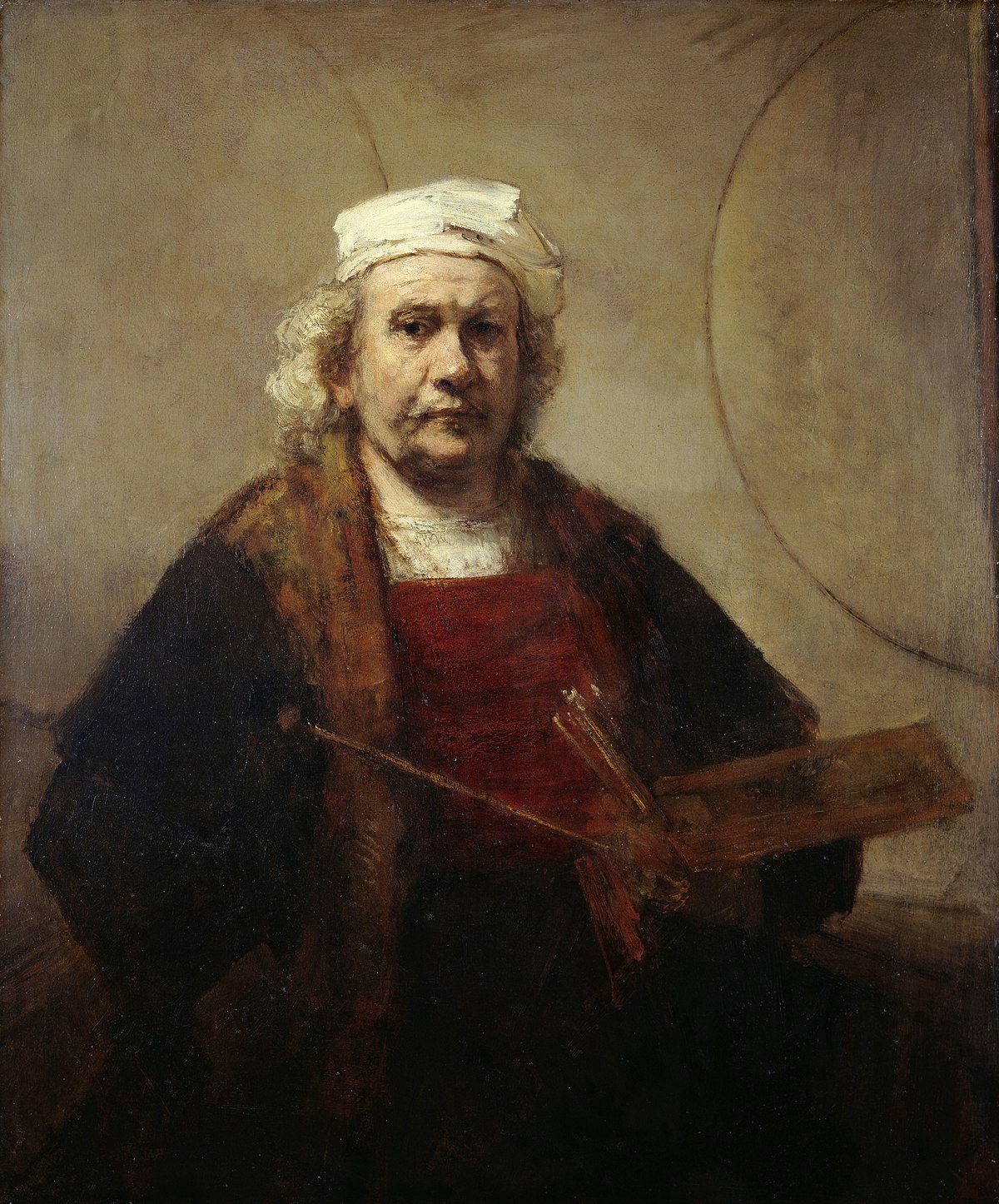
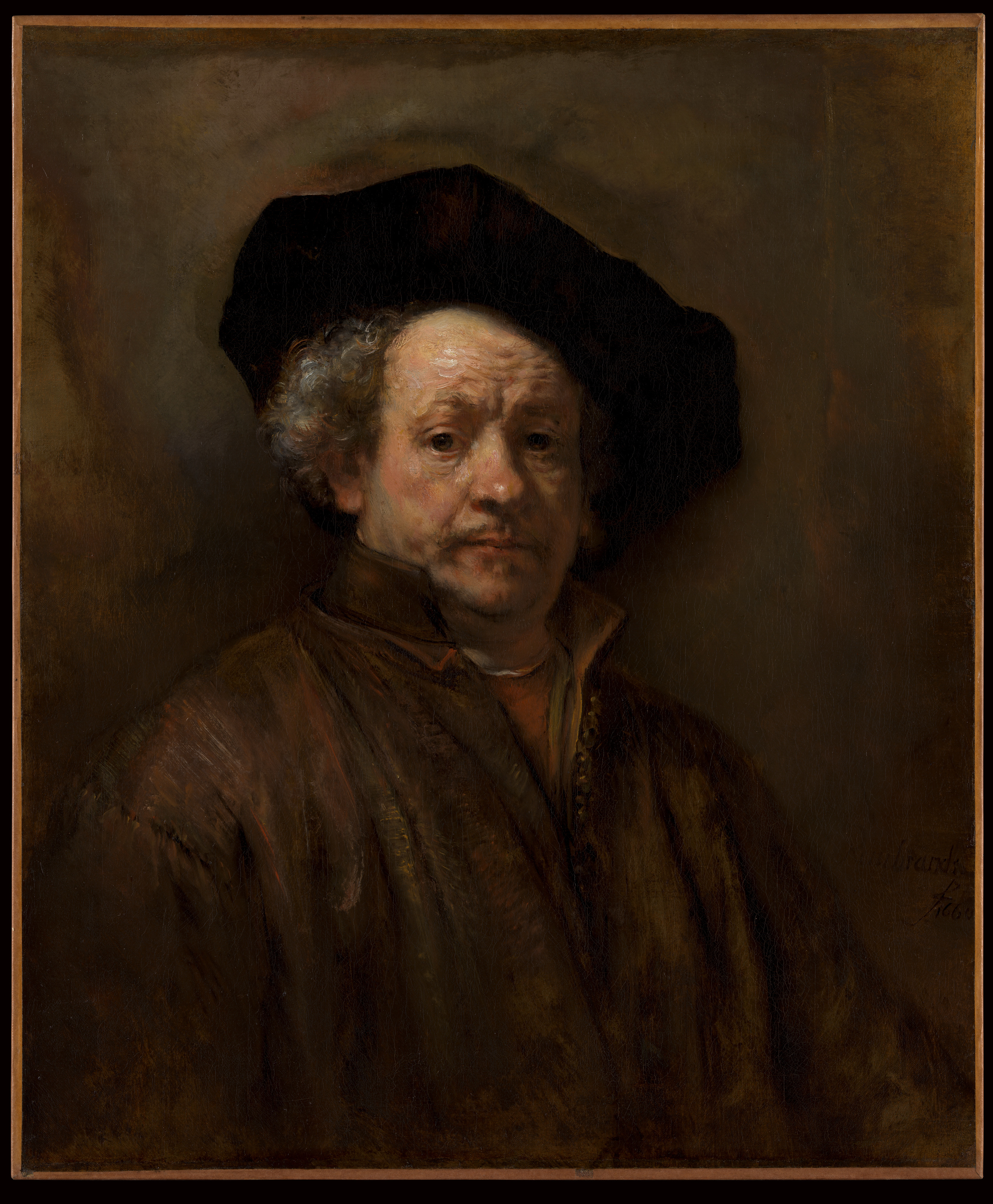
Autoportret sa dva kruga, naslikan između otprilike 1665. i 1669. godine i čuvan u Kenvud hausu u Londonu, pripada izvanrednoj seriji poznih autoportreta u kojima se Rembrant van Rejn suočavao sa sopstvenim staračkim licem sa iskrenošću i psihološkom prodornošću bez premca u istoriji umetnosti. Rembrant je slikao, crtao i gravirao svoj lik sa doslednošću i intenzitetom koji nemaju paralele pre moderne ere: naučnici su katalogizirali blizu sto autoportreta koji obuhvataju čitavu njegovu karijeru, od teatralno kostimiiranih vežbi iz lajdenskih godina kasnih dvadesetih sedamnaestog veka, preko samouverenih, prosperitetnih samopredstavljanja tokom amstedamskog uspeha tridesetih i četrdesetih, do skidenih, surovo iskrenih slika poslednje decenije. Kenvudski autoportret je među poslednijma od ovih, naslikan u periodu ličnog i finansijskog razaranja — Rembrant je proglašen nesolventnim 1656, njegova imovina prodata na aukciji, njegova raskošna kuća na ulici Sint Antonisbrestraat prepuštena — pa ipak projicira ne samosažaljenje ili poraz, već masivan, tih autoritet koji je u potpunosti proizvod boje.
Najupadljivija i najupornija enigmatična karakteristika slike je par velikih krugova vidljivih na zidu iza umetnika. Ova dva luka — jedan gotovo potpun, drugi delimično zaklonjen — generisali su obimnu naučnu literaturu bez postizanja konsenzusnog tumačenja. Najčešće citirano objašnjenje predlaže da se krugovi odnose na legendarnu sposobnost antičkog slikara Đota da nacrta savršen krug slobodnom rukom, podvig koji je Đorđo Vazari prepričao u svojim Životopisima kao dokaz vrhovne umetničke veštine. Crtanje savršenog kruga bez mehaničke pomoći bio je tradicionalni test slikarskog majstorstva, i Rembrant je u svojim poznim godinama možda potvrđivao sopstvenu virtuoznost ovom aluzijom na najslavniju anegdotu u istoriji umetničke moći. Alternativna tumačenja predlažu da krugovi predstavljaju kartografske ili kozmografske hemisfere, aludirajući na globalnu ambiciju ili univerzalno znanje; da su kabalistički ili alhemijski simboli koji odražavaju Rembrantovo dokumentovano interesovanje za amstedamsku jevrejsku intelektualnu zajednicu; ili da funkcionišu kao apstraktni kompozicioni elementi koji uokviruju figuru unutar geometrijskog poretka. Odbijanje krugova da pruže jedno definitivno značenje samo po sebi je karakteristično za Rembrantovo pozno delo, koje dosledno operiše kroz sugestiju, dvosmislenost i nedovršenost umesto kroz deklarativnu jasnoću njegovih ranijih slika.
Rembrant se predstavlja u radnoj odeći slikara — beloj lanenoj kapi, tamnom ogrtaču i bundnom obloženom mantilu — držeći paletu, četkice i naslonštiap u levoj ruci. Ovo nije umetnik-džentlmen u dvorskoj odori koji potvrđuje svoj društveni status, kako bi se Rubens ili Van Dajk mogli pojaviti na svojim autoportretima; ovo je zanatlija na poslu, definisan alatima i materijalima svog zanata. Paleta je natovarena pigmentom, četkice su spremne za upotrebu, a naslonštap — duga motka koja se koristi za stabilizaciju ruke koja slika — proteže se dijagonalno preko donjeg dela platna. Ova iskrena identifikacija sa manuelnim radom bio je namerni izbor koji je nosio ideološku težinu u debati sedamnaestog veka o statusu slikarstva: da li je ono slobodna umetnost srodna poeziji i filozofiji, ili mehanički zanat srodan stolarsvu i zidarstvu? Rembrantov odgovor, karakteristično, odbija dihotomiju. On se predstavlja istovremeno kao mislilac — prodoran pogled, spokojno lice, intelektualna težina krugova iza njega — i kao tvorac, čovek čije su ruke obojene materijalima njegove umetnosti.
Formalna analiza
Tehnika kenvudskog autoportreta predstavlja radikalni pozni stil koji je Rembrant razvio u poslednjoj deceniji svog života i koji neće biti u potpunosti cenjen do devetnaestog veka. Boja je naneta u debelim, obilno natovarenim potezima impasta koji izgrađuju površinu u gotovo skulpturalni reljef, naročito u prikazivanju lica, bele kape i ruku. Savremenici su ovu tehniku opisivali kao „grubu” (ruw na holandskom), a Arnold Haubraken, Rembrantov rani biograf, izvestio je da je umetnik savetovao posmatrače da ne prinose noseve preblizu njegovim slikama jer bi ih „miris boje oneraspoložio” — anegdota koja, apokrifna ili ne, pogađa materijalnost i fizičku asertivnost njegovih poznih površina. Ova grubost nije bila rezultat nemarnosti ili opadajuće veštine; bila je namerna estetska strategija koja je eksploatisala dualnu prirodu slikarstva kao istovremeno iluzije i fizičkog predmeta. Gledani sa odstojanja, debeli potezi se spajaju u uverljive reprezentacije puti, tkanine i svetla; gledani izbliza, deklarišu se kao boja — grebeni i doline pigmenta naneti ljudskom rukom, noseći trag umetnikovog gesta poput potpisa upisanog u materiju.
Psihološka dimenzija portreta pogodila je praktično svakog posmatrača koji se s njim suočio. Rembrant gleda direktno u posmatrača — ili, preciznije, u sebe u ogledalu iz koga je slikao — sa izrazom koji se opire lakom karakterizovanju. To nije konfrontacijski pogled Karavađovih autoportreta, niti elegantna samodostatnost Velaskesa u Las Meninas, niti anksiosna introspekcija kasnijih umetnika poput Van Goga. To je, pre svega, pogled mirne procene, pogled koji je uzeo punu meru svog subjekta — ostarelu kožu, zacrvenjeni nos, težinu godina i gubitaka — i u tom iskrenom sagledavanju nije našao ni razlog za očajanje ni povod za taštinu. Lice pokazuje svaku boru, svako opadanje, svaku nesavršenost čoveka u ranim šezdesetima koji je živeo naporno i mnogo patio. Pa ipak je prožeto toplinom i čvrstinom koje transformišu ove znake starosti u znake ljudskog iskustva u potpunosti proživljenog i u potpunosti poznatog. Ono što razlikuje Rembrantove pozne autoportrete od svih ostalih: oni ne idealizuju, ne dramatizuju, ne ispovedaju se. Oni jednostavno gledaju, i u činu gledanja otkrivaju lepotu neodvojivu od istine.
Poređenje sa Rembrantovim ranijim autoportretima baca dostignuće kenvudske slike u oštar reljef. Autoportret iz 1629. u Staroj pinakoteci u Minhenu prikazuje mladog čoveka koji eksperimentiše sa dramatičnim kjaroskurom, lice mu je napola izgubljeno u senci, igrajući ulogu romantične figure iz karavađističke kafanske scene. Autoportret iz 1640. u Nacionalnoj galeriji u Londonu predstavlja umetnika u raskošnoj nošnji, naslonjen na kameni parapet u svesnom podražavanju Rafaelovog Portreta Baltazara Kastiljonea i Ticijanovog takozvanog Portreta Ariosta — deklaracija jednakosti sa majstorima visoke renesanse. Ova ranija dela su briljantni performansi, ali su performansi: umetnik usvaja personu, zauzima pozu, predstavlja konstruisan identitet svetu. Pozni autoportreti potpuno napuštaju performans. Kostimi nestaju, teatralno osvetljenje se umekšava u topao, ambijentalan sjaj, i umetnik se suočava sa sobom — i sa posmatračem — bez maske ili posredovanja.
Značaj i nasleđe
Slika je ušla u kolekciju Kenvud hausa kroz legat Edvarda Sesila Ginesa, prvog grofa od Ajviga, koji ju je kupio 1888. i donirao je zajedno sa svojim imanjem na Hemstedu javnosti 1927. godine. Visi u biblioteci Roberta Adama neoklasične vile na severnom rubu Hemsted Hita, intimnog domaćeg okruženja koje odgovara njenim dimenzijama i psihološkom registru daleko bolje od ogromnih galerija nacionalnog muzeja. Relativna izolovanost Kenvud hausa — u poređenju sa Rijksmuzeumom ili Nacionalnom galerijom — znači da mnogi posetioci susreću sliku u uslovima relativne samoće, što je možda idealan način da se iskusi delo čija se čitava snaga oslanja na iluziju intimnog, jedan-na-jedan susreta između slikara i posmatrača, razdvojenih tri i po veka ali ujedinjenih nesvodivom činjenicom ljudskog lica, iskreno prikazanog, iskreno sagledanog.
Autoportret sa dva kruga zauzeo je centralnu poziciju u diskusijama o umetničkom identitetu, fenomenologiji portretisanja i odnosu između tehnike i izraza. On demonstrira, sa snagom koju nijedan teorijski argument ne može da se meri, da materijalnost boje — njena gustina, tekstura, otpor prema četkici, sposobnost da uhvati i reflektuje svetlo — nije suprotstavljena reprezentaciji unutrašnjeg života, već je njeno najmoćnije sredstvo. Gruba, inkrustirana površina Rembrantovih poznih slika ne zaklanja njegove subjekte; ona ih otkriva, ugrađujući protok vremena i trud stvaranja u samu supstancu slike. Dva kruga iza slikara ostaju neobjašnjena, i možda je to njihovo najdublje značenje: oni nas podsećaju da svaka velika slika zadržava jezgro misterije koje se opire tumačenju, ostatak namere ili slučajnosti koji ni najtemeljnija nauka ne može u potpunosti dešifrovati, i da je upravo taj ostatak ono što nas vraća, gledajući ponovo, pronalazeći nešto novo.