Istorijski kontekst
Postojanost sećanja (La persistencia de la memoria) Salvadora Dalija je definitivna ikona nadrealizma — slika toliko temeljno identifikovana sa pokretom da su njeni topljeni satovi postali vizuelna skraćenica za čitav nadrealistički poduhvat. Pa ipak, dimenzije dela su zapanjujuće skromne: sa samo 24,1 sa 33 centimetra, jedva je veća od lista kancelarijskog papira, činjenica koja dosledno iznenađuje posetioce koji je po prvi put susreću u Muzeju moderne umetnosti u Njujorku. Ova neusklađenost između ogromnog kulturnog prisustva slike i njene sićušne fizičke veličine sama po sebi je neka vrsta nadrealističkog paradoksa — podsetnik da moć slika ne mora nužno biti u vezi sa njihovom veličinom, i da najmonumentalniji vizije mogu nastaniti najintimnije formate. Dali je navodno završio sliku za nekoliko sati jedne avgustovske večeri 1931. godine, dodajući topljene satove na mali pejzaž Port Ligata koji je već započeo, dok je njegova supruga Gala bila u bioskopu.
Dali je inspiraciju za topljene satove pripisao komadu kamambera koji je posmatrao kako se topi na letnjoj vrućini — karakteristično provokativna i verovatno apokrifna priča o nastanku koja ipak dočarava nešto suštinsko o njegovom kreativnom metodu. Paranoično-kritički metod, koji je Dali opsežno teoretizovao u svojim spisima, uključivao je namerno kultivisanje delusionalnih asocijacija i halucinatornih stanja uz održavanje racionalne kontrole — „spontani metod iracionalnog saznanja zasnovan na kritičkoj i sistematskoj objektivaciji deluzivnih asocijacija i interpretacija.” U praksi, to je značilo treniranje uma da opaža višestruke, kontradiktorne slike unutar jedne forme — sir koji postaje sat, sat koji postaje meso, čvrstina koja postaje tečnost — a zatim beleženje ovih metamorfičkih vizija pedantnom, hiperrealističnom tehnikom holandskog starog majstora. Rezultat je karakterističan dalijevski paradoks: slike nemogućeg prikazane sa takvom mukotrpnom verodostojnošću da postižu jezivu ubedljivost, kao da posmatrač ne zamišlja nemoguće već ga jednostavno posmatra.
Pejzaž koji uokviruje kompoziciju je Port Ligat, malo ribarsko selo na poluostrvu Kap de Kreus u Kataloniji gde su Dali i Gala održavali svoju primarnu rezidenciju od 1930. do kraja života. Stenovite litice vidljive u pozadini — okupane u bistrom, zlatnom svetlu katalonskog Mediterana — pojavljuju se kroz čitav Dalijev opus kao neka vrsta psihičke domovine, geološka pozornica na kojoj su se odigravale njegove unutrašnje drame. Prednji plan je dominiran golom, zatamnjenom platformom — možda plažom, možda stolom — na kojoj se odvija centralna drama. Odnos između precizno prikazane, topografski prepoznatljive pozadine i halucinatornih objekata u prednjem planu stvara prostornu i ontološku tenziju koja je fundamentalna za nadrealističku estetiku: san ne zamenjuje stvarnost već zauzima isti prostor, isto svetlo, isti vazduh.
Formalna analiza
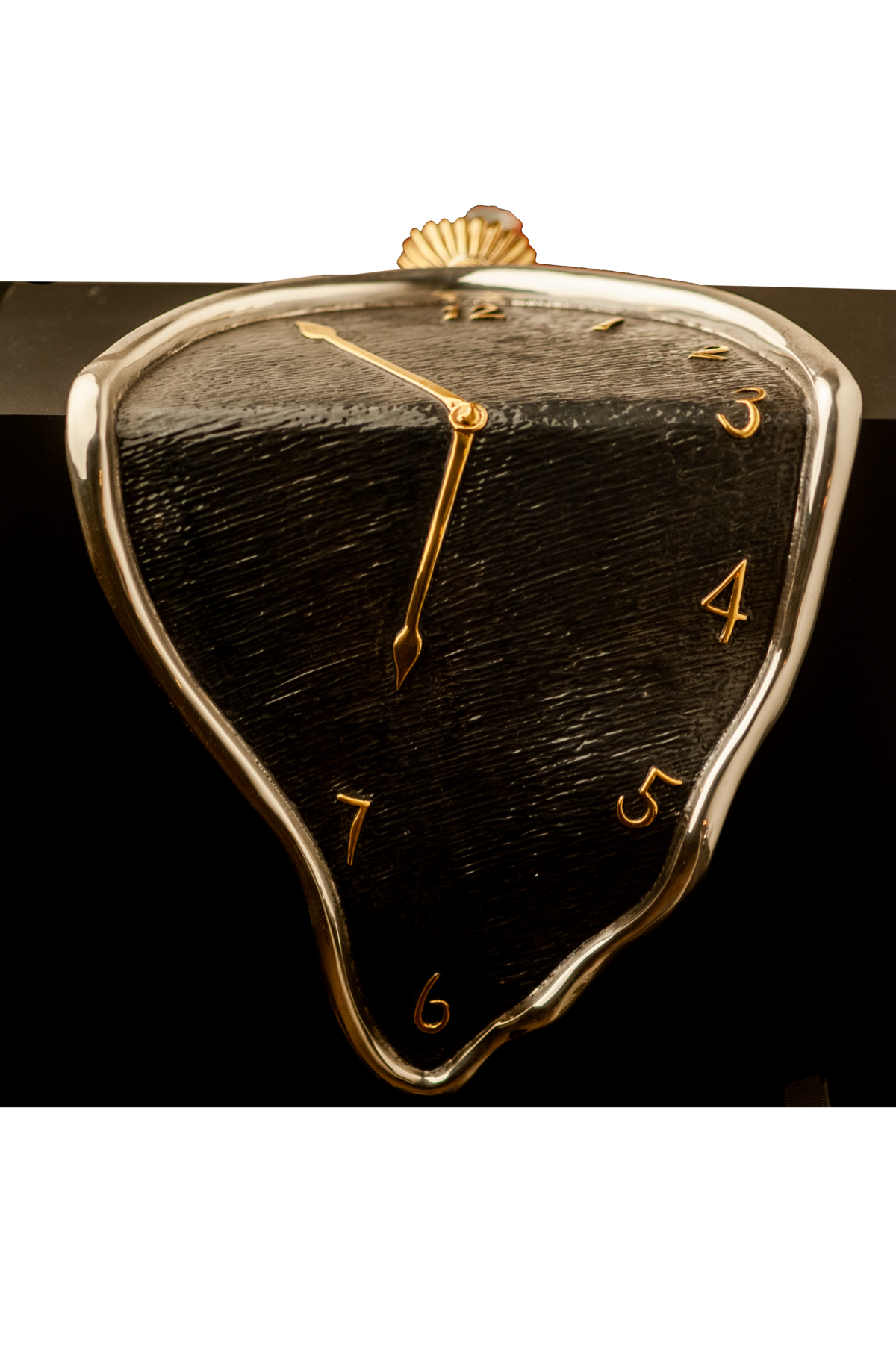
Tri od četiri sata na slici prikazana su u stanjima radikalne mekoće — prebačeni, topljeni, teku preko površina na kojima počivaju, njihovi metalni okviri transformisani u nešto nalik organskom tkivu ili prezrelom voću. Jedan se prebacuje preko ivice pravougaonog bloka poput krpe za sudove; drugi visi sa grane mrtvog, bez lišća drveta (koje samo po sebi nemoguće raste iz bloka); treći se topi preko mesnate, amorfne forme u centru kompozicije. Ova centralna forma — iskrivljeni, profilni oblik sa zatvorenim okom i izduženim, jezičastim izrastkom — široko se tumači kao dalijevski autoportret, meka, bezkoštana verzija njegovog lica u stanju sna ili rastakanja. Četvrti sat, zatvoren i netaknut, leži licem nadole na površini bloka, njegova poleđina vrvi od mrava — Dalijevog stalnog simbola raspadanja, smrtnosti i neumornog apetita vremena. Suprotnost između tri meka, otvorena sata i jednog tvrdog, zatvorenog uspostavlja centranu dijalektiku slike: meko i tvrdo, tečno i kruto, organsko i mehaničko, svesnost i nesvesnost, vreme sna i vreme sata.
Najčešće prizivani intelektualni kontekst slike je Ajnštajnova teorija relativnosti, koja je do 1931. temeljno prodrla u evropsku intelektualnu kulturu i fundamentalno izmenila popularno razumevanje vremena i prostora. Ajnštajnova demonstracija da vreme nije apsolutno već relativno — da se savija, rasteže i skuplja u zavisnosti od brzine posmatrača i gravitacionog polja — nalazi upečatljivu vizuelnu analogiju u Dalijevim topljenim satovima, koji sugerišu svet u kome je vreme izgubilo svoj krut, mehanički karakter i postalo jednako fluidno i deformabilno kao sam prostor. Dali je sam ohrabrivao ovu asocijaciju, mada je njegovo razumevanje fizike bilo više poetsko nego naučno. Šire posmatrano, slika učestvuje u širem modernističkom ispitivanju temporalnog iskustva — Bergsonov duree (proživljeno vreme nasuprot vremenu sata), Prustova memoire involontaire, Frojdova demonstracija da nesvesno ne poštuje nikakvu vremensku logiku — sve to je izazvalo njutnovsku koncepciju vremena kao uniformne, spoljašnje konstante. Topljeni satovi nisu samo nadrealni objekti već filozofske propozicije: tvrdnje da je vreme kakvo ga konvencionalno doživljavamo — linearno, merljivo, mehaničko — konstrukt, i da ispod tog konstrukta leži fluidnija, zastrašujuća temporalnost.
Andre Breton, samozvani papa nadrealizma, prvobitno je primio sliku sa karakterističnom ambivalentnošću — Dalijev odnos sa nadrealističkim vođom bio je uvek napet, oscilirajući između uzajamnog divljenja i gorkog antagonizma. Ipak, Breton nije mogao poreći moć slike kao nadrealističke vizije, i ona je brzo postala najprepoznatljiviji proizvod pokreta. Diler Žilijen Levi izložio ju je u svojoj njujorškoj galeriji 1932. godine, gde ju je anonimni kolekcionar kupio za 250 dolara — suma koja se retrospektivno čini gotovo komično neadekvatnom. Ušla je u kolekciju Muzeja moderne umetnosti 1934. kao poklon i od tada je ostala jedno od najposećenijih i najreproduciranijih dela muzeja.
Godine 1954. Dali se vratio temi sa Dezintegracijom postojanosti sećanja, slikom koja ponovo zamišlja kompoziciju iz 1931. u svetlu posthirošimske nuklearne anksioznosti i Dalijevog samoproklamovanog perioda „Nuklearnog misticizma”. Poznati pejzaž i topljeni satovi sada su fragmentirani u mrežu pravougaonih blokova koji lebde iznad poplavljenog pejzaža, sugerišući dezintegraciju materije na subatomskom nivou. Nastavak slike — ako se tako može nazvati — demonstrira Dalijevu svest da se značenje originalne slike promenilo u proteklim decenijama: topljenje čvrstine koje je 1931. delovalo snoliko dobilo je, posle atomske bombe, zastrašujuće doslovnu dimenziju. Vreme više nije bilo samo tečno; moglo je biti poništeno.
Recepcija i nasleđe
Kulturno prodiranje Postojanosti sećanja je izvanredno čak i po standardima ikoničke umetnosti. Topljeni sat je postao jedan od najuniverzalnije prepoznatih simbola u vizuelnoj kulturi — reprodukovan na posterima, majicama, podlogama za miša, magnetima za frižider i nebrojenim parodijama i omaždima u svim medijima. Ova sveprisutnost postavlja pitanje u kome bi Dali sam uživao: da li nemilosrdna reprodukcija slike iscrpljuje njenu nadrealističku moć — njenu sposobnost da šokira, destabilizuje, otkrije jezivo skriveno ispod poznatog — ili njeno virusno širenje kroz komercijalnu kulturu predstavlja neku vrstu nadrealističkog trijumfa, uspešnu infekciju svakodnevne realnosti snom? Skromne dimenzije slike sugerišu mogući odgovor: koliko god miliona reprodukcija kruži svetom, original zadržava intimnu, koncentrisanu moć privatne halucinacije — mali prozor u stvarnost koja odbija da se povinuje racionalnom, merljivom ili razumnom.