Istorijski kontekst
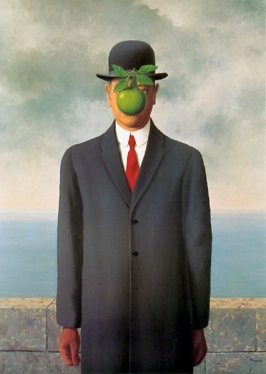
Naslikan 1964. godine, Sin čovečji pripada poslednjoj deceniji karijere Renea Magrita, periodu tokom kojeg je belgijski nadrealista postigao međunarodnu slavu i stvarao neke od svojih najikoničnijih i najčešće reprodukovanih slika. Za razliku od ranijih, programski nadrealnijih dela dvadesetih i tridesetih godina — slika dužnih automatizmu, slikama snova i frojdovskom nesvesnom — Magritove kasne slike funkcionišu kroz hladniji, filozofskiji vid vizuelnog paradoksa koji ima više zajedničkog sa jezičkim igrama Ludviga Vitgenštajna nego sa manifestima Andrea Bretona. Slika je prvobitno zamišljena kao autoportret, a Magrit ju je opisao karakteristično bezirazno: „Barem delimično skriva lice. Pa, tako imate prividno lice, jabuku, koja skriva vidljivo ali skriveno, lice osobe. To je nešto što se stalno dešava. Sve što vidimo krije neku drugu stvar; uvek želimo da vidimo ono što je skriveno onim što vidimo.”
Čovek sa cilindrišnim šeširom — figura koju je Magrit koristio od dvadesetih godina u delima poput Hodočasnika i Čoveka sa cilindrišnim šeširom — funkcioniše kao neka vrsta Evrimena, figure buržoaske anonimnosti čija uniforma od tamnog kaputa, bele košulje i cilindrišnog šešira signalizira društveni konformizam i samobrisanje. Cilindrišni šešir je u Belgiji sredinom dvadesetog veka bio standardna pokrivka za glavu ugledne srednje klase kojoj je i sam Magrit pripadao; usvajajući ga kao ponavljajući motiv, on se istovremeno poistovećivao sa miljoom u kome je živeo i radio i ironizovao ga. Naslov slike, sa svojom očiglednom biblijskom rezonancom — „Sin čovečji” je hristološki epitet iz Jevanđelja — uvodi registar duhovne ozbiljnosti koji stoji u namerno napetom odnosu sa vizuelnom duhovitošću slike, sugerirajući da pitanja identiteta i prikrivanja imaju metafizičke jednako koliko i perceptivne dimenzije.
Formalna analiza
Kompozicija slike je varljivo jednostavna: jedna muška figura, prikazana precizno, gotovo fotografski detaljno, stoji frontalno ispred niskog kamenog zida iza koga mirno more susreće oblačno nebo. Figura je centrirana i simetrična, zauzima vertikalnu osu platna, a linija horizonta preseca kompoziciju otprilike u visini ramena figure, stvarajući stabilan, klasičan raspored. Ova kompoziciona trezvenost — antiteza ekstravagantnijim vizuelnim distorzijama nadrealizma — suštinska je za efekat slike: upravo je svakodnevnost scene ta koja čini jedini anomalan element, zelenu jabuku suspendovanu ispred čovekovog lica, tako upečatljivim. Jabuka lebdi u visini očiju, dovoljno blizu lica da ga zakloni, ali dovoljno ispred da baci laganu senku na čovekov čelo, zauzimajući dvosmislenu prostornu zonu koja nije ni čvrsto pričvršćena za telo ni slobodno lebdi u praznom prostoru.
Magritova tehnika je namerno bezlična, potiskujući vidljive poteze četke u korist glatkih, ujednačenih površina koje podsećaju više na komercijalnu ilustraciju nego na umetničko slikarstvo. Ova stilska neutralnost je strateška: odbijajući da estetizuje sliku slikarskim virtuozitetom, Magrit osigurava da je pažnja posmatrača usmerena isključivo na konceptualni sadržaj scene, a ne na umetnikovu manualnu veštinu. Koloristička paleta je uzdržana — sive, plave i prigušene zelene dominiraju — pri čemu živahna zelena jabuke pruža jedinu notu hromatskog intenziteta. Sama jabuka prikazana je sa pažljivom pažnjom prema njenom volumenu, teksturi i igri svetlosti na njenoj površini, dajući joj materijalnu prisutnost koja kontrastira sa plošnošću oblačnog neba i čini da se oseća „stvarnijom” od delimično skrivenog lica iza nje. Leva ruka figure je blago savijena u laktu, suptilna asimetrija koja sprečava da kompozicija postane potpuno statična i uvodi nagoveštaj telesne animiranosti ispod kostima buržoaske uglednosti.
Značaj i nasleđe
Sin čovečji je postala jedna od najšire prepoznatih slika moderne umetnosti, reprodukovana na posterima, koricama knjiga, omotima albuma i u bezbroj filmova i reklama. Ova sveprisutnost je sama po sebi oblik kulturnog komentara koji bi Magrit mogao ceniti: slika o prikrivanju i želji da se vidi ono što je skriveno sama je postala toliko poznata da posmatrači moraju da se bore da sagledaju iza njenog ikoničnog statusa filozofska pitanja koja postavlja. Centralna tema dela — da reprezentacija uvek skriva koliko i otkriva, da je vidljivi svet zastor iza koga nešto drugo vreba — povezuje ga sa širim strujama u misli dvadesetog veka, od fenomenološkog istraživanja percepcije do poststrukturalističke kritike prisutnosti i transparentnosti.
U okviru istorije nadrealizma, slika predstavlja trijumf onoga što je Magrit nazvao „umetnošću sličnosti” nad automatističkim i biomorfnim tendencijama koje su dominirale mejnstrimom pokreta. Magrit je insistirao da njegove slike nisu izrazi nesvesnog, već namerni, racionalno konstruisani vizuelni problemi — slike osmišljene da učine poznato čudnim uvođenjem jednog neočekivanog elementa u inače konvencionalnu scenu. Ovaj metod se pokazao izuzetno uticajnim na naredne generacije umetnika koji rade na preseku reprezentacije i konceptualizma, od beziraznih fotografskih tabloa Džefa Vola do strategija aproprijacije Džona Baldesarija (čija zaštitna praksa prekrivanja lica obojenim tačkama eksplicitno referira na Magritovu jabuku). Činjenica da se slika nalazi u privatnoj kolekciji ograničila je direktan pristup javnosti, ali njena konstantna reprodukcija učinila ju je, paradoksalno, jednom od najvidljivijih slika dvadesetog veka — delom čije je značenje neodvojivo od samih mehanizama vidljivosti i prikrivanja koje prikazuje.