Istorijski kontekst
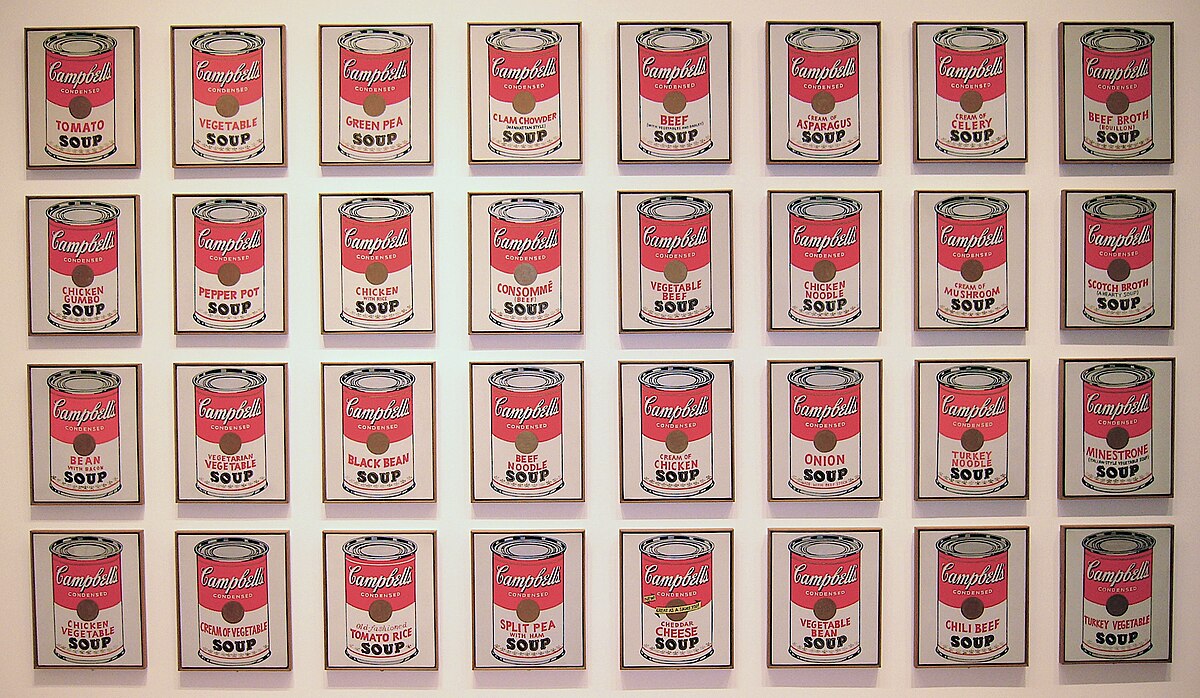
Whaam! Roja Lihtenštajna naslikan je 1963. godine, na samom zenitu pojave pop arta kao dominantne sile u američkom i međunarodnom svetu umetnosti. Izvorna slika dela potiče iz panela u stripu All-American Men of War, broj 89, koji je izdao DC Comics 1962. godine, sa crtežima Irva Novika. Lihtenštajnovo prisvajanje stripovske ikonografije počelo je ozbiljno 1961. godine, a do 1963. razvio je potpuno zreo vizuelni jezik koji je prevodio mehaničke procese štampe masovnih medija — Ben-Dej tačkice, ravne kolorističke površine, debele crne konture i govorne balone — u idiom umetničkog slikarstva monumentalne razmere. Delo je prvi put izloženo u galeriji Lea Kastelija u Njujorku, gde se odmah etabliralo kao jedna od ikoničnih slika pokreta pop art, uz Vorholove konzerve Kembel supe i Džonsove zastave.
Galerija Tejt (danas Tate Modern) nabavila je Whaam! 1966. godine, čineći ga jednom od najranijih velikih kupovina američkog pop arta od strane evropske institucije. Ova akvizicija odražavala je naprednu politiku sakupljanja Tejta pod direktorom Normanom Ridom i signalizirala brzu internacionalizaciju kritičke recepcije pop arta. Tema slike — vazdušna borba prikazana u sanitizovanom, uzbudljivom vizuelnom jeziku stripova o dečjim avanturama — snažno je odjeknula u kontekstu ranih šezdesetih, kada su anksioznost Hladnog rata, Kubanska raketna kriza i rastuća američka angažovanost u Vijetnamu davali slikama vojnog nasilja posebnu urgentnost. Lihtenštajnova bezizrazna prezentacija ovog nasilja, lišena užasa i prepakovana kao estetski spektakl, pokrenula je neugodna pitanja o odnosu između masovne medijske reprezentacije i desenzibilizacije publike na ratovanje.
Formalna analiza
Whaam! je strukturiran kao diptih, sa dva platna postavljenim jedno pored drugog da stvore narativnu sekvencu koja oponaša progresiju od panela do panela u strip-pripovedanju. Levi panel prikazuje borbeni avion u profilu, sa pilotom vidljivim u kokpitu, koji ispaljuje raketu koja se proteže preko platna ka desnom panelu, gde neprijateljski avion eruptira u spektakularnoj eksploziji prikazanoj u stilizovanim crvenim, žutim i belim tonovima. Onomatopejski tekst „WHAAM!” prska preko desnog panela u masnim, ugaonim slovima, dok levi panel uključuje narativni natpis: „Pritisnuo sam dugme za paljbu… i ispred mene su rakete protutnjale nebom…” Ovaj tekstualni element je integralni deo kompozicije, funkcionišući istovremeno kao narativni uređaj i formalni element.
Lihtenštajnova tehnika uključuje pedantan simulaciju procesa štampe Ben-Dej tačkicama korišćenog u komercijalnim stripovima i novinama. Koristeći perforirane metalne šablone i natovarenu četku, stvarao je polja ravnomerno raspoređenih tačkica koje proizvode optičku iluziju tonalne gradacije — mehanički proces izveden rukom u ogromno uvećanoj razmeri. Paleta je ograničena na primarne boje komercijalne štampe (cijan, magenta, žuta) plus crna i bela, pojačavajući vizuelnu vezu sa masovno proizvedenom ikonografijom. Debele crne konture spljoštavaju kompoziciju i potiskuju svaku iluziju atmosferske dubine, dok eksplozija na desnom panelu uvodi dinamičnu, centrifugalnu energiju koja kontrastira sa statičnim, profilnim prikazom napadačkog aviona na levom. Napetost između dva panela — uzrok i posledica, akcija i posledica — daje delu kinematografski kvalitet koji eksploatiše uslovljene reakcije posmatrača na sekvencijalni vizuelni narativ.
Značaj i nasleđe
Whaam! je jedno od ključnih dela pokreta pop art i ostaje među najšire prepoznatim slikama druge polovine dvadesetog veka. Njegov značaj leži ne samo u formalnim inovacijama, već i u dubokim pitanjima koja je pokreneuo o granicama između visoke umetnosti i masovne kulture, originalnosti i reprodukcije, estetskog zadovoljstva i moralne saučesničke. Uvećavajući panel iz stripa na razmeru istorijskog slikarstva — žanra tradicionalno rezervisanog za prikazivanje plemenitih i herojskih tema — Lihtenštajn je istovremeno uzdigo i ironizovao izvorni materijal, proizvodeći delo koje se može čitati istovremeno kao slavljenje i kritika američke vizuelne kulture.
Uticaj slike proteže se kroz višestruke domene. U svetu umetnosti, Whaam! je pomogao da se aproprijacija uspostavi kao legitimna umetnička strategija, utirući put narednim generacijama umetnika — od Pictures generacije sedamdesetih i osamdesetih (Šeri Levin, Ričard Princ, Barbara Kruger) do savremenih praktičara koji rutinski crpu iz ikonografije masovnih medija. Njen uticaj na grafički dizajn, oglašavanje i popularnu kulturu bio je jednako dubok: ikonografija slike reprodukovana je na bezbrojnim posterima, razglednicama i suvenirima, dostižući nivo kulturne sveprisutnosti koji paradoksalno ispunjava i komplikuje njen originalni angažman sa masovnom reprodukcijom. Kao ratna slika prikazana u benignom vizuelnom jeziku zabave, Whaam! takođe anticipira kasniji kritički diskurs o estetizaciji nasilja u medijima i složenim načinima na koje vizuelna kultura oblikuje javnu percepciju oružanih sukoba.