Istorijski kontekst
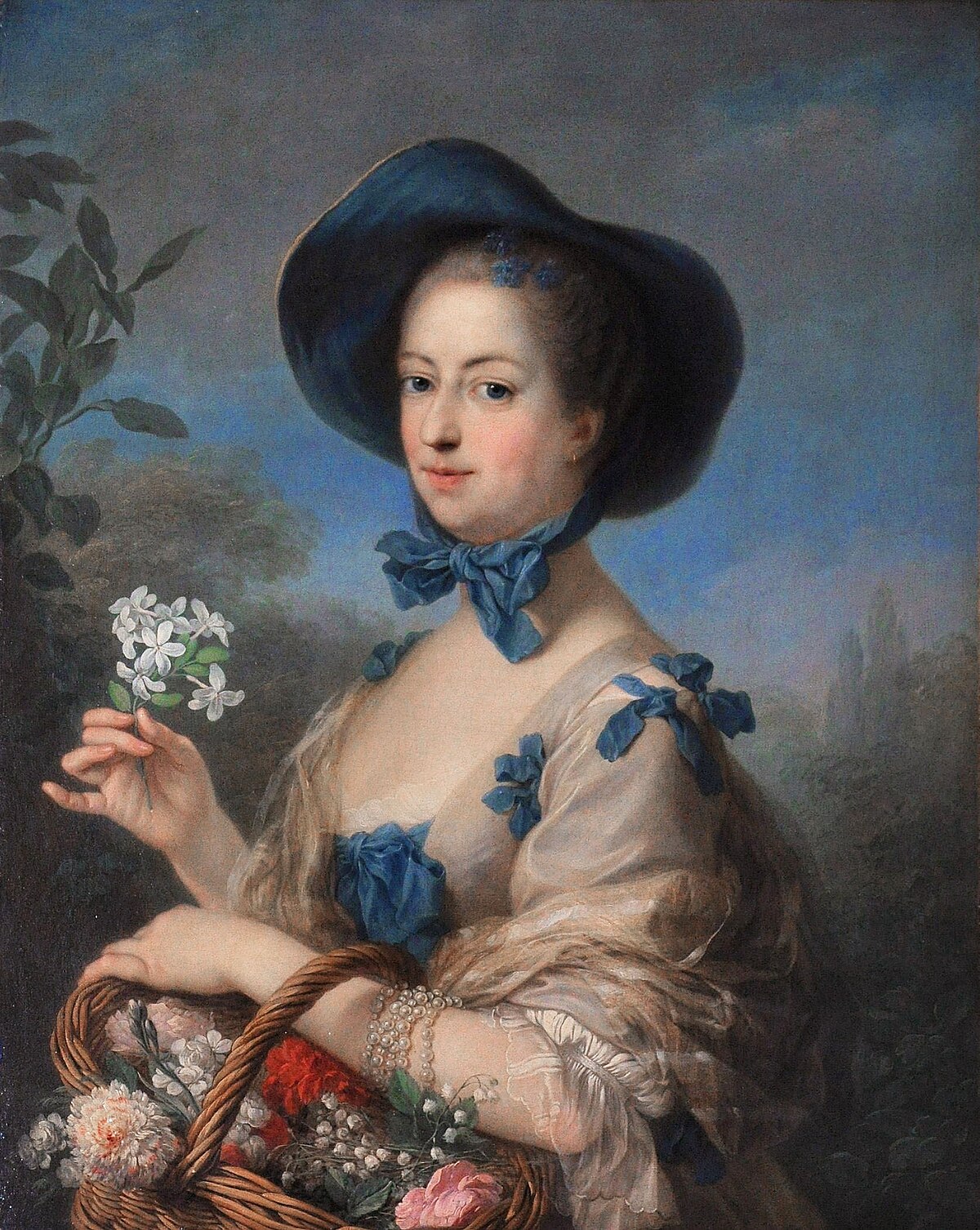
Fransoa Buše naslikao je ovaj portret Žan Antonet Poason, markize de Pompadur, 1756. godine, u trenutku kada je uticaj kraljeve ljubavnice na politiku i kulturu bio na svom zenitu, ali se njen lični odnos sa Lujem XV transformisao iz romantične intimnosti u partnerstvo zasnovano na intelektualnom druženju, političkom savetovanju i zajedničkim estetskim interesima. Pompadur, rođena u pariškoj buržoaziji i uzdignuta u najviše krugove francuskog dvora kroz kombinaciju lepote, inteligencije i izvanredne društvene veštine, bila je najznačajniji patroni umetnosti sredinom osamnaestog veka u Francuskoj. Usmeravala je narudžbine slikarima, vajarima, arhitektama i proizvođačima porcelana u obimu koji je rivalizovao samoj Kruni, a njen ukus je presudno oblikovao razvoj rokoko stila u njegovoj zreloj fazi. Buše je bio njen preferirani slikar, služeći kao njen umetnički savetnik, učitelj crtanja i glavni vizuelni arhitekta njene javne slike.
Portret je nastao tokom Sedmogodišnjeg rata, sukoba koji je stavio ogroman pritisak na francusku državu i intenzivirao kritike uticaja Pompadurove na kraljevsku politiku. Naglasak slike na intelektualnim i kulturnim dostignućima Pompadurove, umesto na njenoj lepoti ili senzualnosti, odražava promišljenu strategiju upravljanja imidžom. Do sredine 1750-ih, Pompadur je prestala da bude kraljeva ljubavnica u fizičkom smislu i repositionirala se kao nezamenjiv politički i kulturni savetnik, transformacija koja je zahtevala odgovarajuću promenu u njenoj vizuelnoj reprezentaciji. Raniji portreti Bušea i drugih naglašavali su njen fizički šarm i mitološke asocijacije; ovaj portret je predstavlja kao ženu od pera i patronku učenosti, okruženu materijalnim dokazima svoje kultivanosti.
Formalna analiza
Pompadur je prikazana u punoj veličini, ležeći na šezlongu u raskošno opremljenom enterijeru, telo okrenuto u opuštenu a ipak pažljivo komponovanu trotrećinsku pozu koja prenosi i lakoću i dostojanstvo. Nosi bogato ukrašenu haljinu od svilene tafete u zelenoj boji sa ružičastim ružinim girlândama, remek-delo tekstilnog slikarstva koje demonstrira Bušeovu virtuoznu komandu površinskih tekstura i njegovu sposobnost da renderuje igru svetlosti na sjajnim tkaninama. Haljina, sa svojim kaskadnim volanima i obiljem traka i čipke, sama po sebi je izjava ukusa i bogatstva, amblem rokoko dekorativne estetike koju je Pompadur poborila. Njena kosa je lagano napudrisana i ukrašena cvećem, a njen izraz kombinuje nežan osmeh sa budnim, inteligentnim pogledom koji direktno angažuje posmatrača.
Predmeti koji okružuju Pompadur isto su pažljivo odabrani i bogato simbolički kao atributi sveca na renesansnom oltarskom delu. Knjiga leži otvorena u njenoj desnoj ruci, a nekoliko drugih razbacano je po podu i na bočnom stolu, njihovo prisustvo identifikuje je kao čitateljicu i ženu intelektualne suštine. Pisaći sto sa perom, mastilom i zapečaćenim pismima zauzima pozadinu, referirajući na njenu obimnu prepisku i njenu ulogu političke posrednice. Portfolio grafika ili crteža naslanja se na sto, aludirajući na njen patronat vizuelnih umetnosti i njenu sopstvenu znatnu veštinu kao graverice i rezača dragulja. Sam enterijer, sa pozlaćenim konzolnim stolom, porcelanskom vazom sa cvećem i ukrasnim satom, evocira rafinisane domaće prostore koje je Pompadur projektovala i opremila u Belviju, Kresiju i svojim apartmanima u Versaju. Bušeov potez četkom oscilira između pasaža gotovo fotografske preciznosti u renderovanju tekstila i dekorativnih objekata i slobodnijih, atmosferskijih pasaža u pozadini, stvarajući hijerarhijski fokus koji usmerava pažnju na samu Pompadur i predmete koji definišu njen identitet.
Recepcija i nasleđe
Bušeov portret Madam de Pompadur je definitivna slika rokoko dvorske kulture i jedan od najvažnijih portreta osamnaestog veka. Uspostavio je model ženskog portretisanja koji su razradili kasniji slikari, uključujući Druea, Natjea i Viže Le Bren, u kome se identitet prikazane osobe konstruiše ne samo kroz fizionomijsku sličnost već kroz pažljivo orkestrirano okruženje predmeta, tekstura i prostornih rasporeda koji komuniciraju društveni status, intelektualna dostignuća i lični ukus. Slika je istovremeno portret pojedinca, reprezentacija ideala ženstvenosti i manifest rokoko estetike, u kojoj su lepota, zadovoljstvo i rafiniranost potvrđeni kao vrhunske vrednosti.
Istorijski značaj portreta proteže se izvan njegovih umetničkih vrednosti na njegovu funkciju kao dokumenta ženske agencije u Francuskoj ancien režima. Korišćenje vizuelne kulture od strane Pompadurove kao instrumenta političke i društvene moći opsežno su analizirali istoričari uključujući Eliz Gudman i Melisu Hajd, koji su demonstrirali da njen patronat umetnicima poput Bušea nije bio samo izraz ličnog ukusa već promišljena strategija za konsolidovanje njene pozicije na dvoru i oblikovanje javnih percepcija njene uloge. Portret učestvuje u ovoj strategiji predstavljajući Pompadur kao figuru intelektualnog autoriteta i kulturnog vođstva, implicitno legitimišući njen politički uticaj utemeljujući ga u univerzalno cenjenoj sferi učenosti i umetnosti. U tom smislu, slika prevazilazi svoju funkciju sličnosti da postane sofisticirano vežbanje u političkoj ikonografiji, vizuelni argument za moć kulture same kao modus upravljanja i društvenog uticaja.